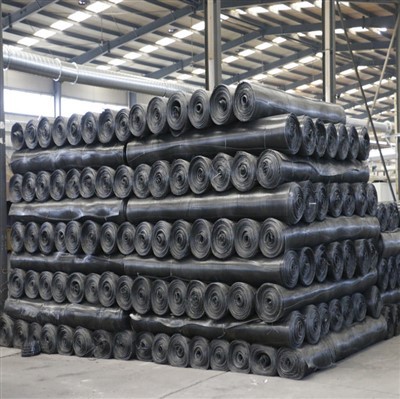

Wastewater treatment is a critical process for environmental protection and public health. It involves the removal of contaminants from wastewater before it is released back into the environment. Geomembranes play a vital role in ensuring the safety and efficiency of wastewater treatment facilities. As a geomembrane supplier, I have witnessed firsthand how these innovative materials contribute to the success of wastewater treatment operations. In this blog post, I will explore how geomembranes ensure the safety of wastewater treatment and why they are an essential component of modern treatment systems.
Containment of Wastewater
One of the primary functions of geomembranes in wastewater treatment is to provide a reliable barrier for containing wastewater. Wastewater contains various pollutants, including heavy metals, pathogens, and organic compounds, which can pose significant risks to the environment and human health if they are not properly contained. Geomembranes are impermeable membranes that prevent the leakage of wastewater into the surrounding soil and groundwater. They are typically installed in the bottom and sides of wastewater treatment ponds, lagoons, and tanks to create a sealed containment system.
The impermeability of geomembranes is achieved through their unique material properties. Most geomembranes are made from high-density polyethylene (HDPE), polyvinyl chloride (PVC), or other synthetic polymers that have low permeability to water and chemicals. These materials are resistant to corrosion, abrasion, and UV radiation, making them suitable for use in harsh wastewater treatment environments. Additionally, geomembranes can be manufactured with different thicknesses and textures to meet the specific requirements of each application.
By containing wastewater within the treatment facility, geomembranes prevent the contamination of soil and groundwater. This is particularly important in areas where the groundwater is used for drinking water or irrigation. Leakage of wastewater can lead to the pollution of groundwater sources, which can have serious consequences for human health and the environment. Geomembranes provide a reliable solution for preventing such contamination and ensuring the long-term sustainability of wastewater treatment operations.
Prevention of Odor Emissions
Wastewater treatment processes often generate unpleasant odors due to the decomposition of organic matter and the presence of volatile compounds. These odors can be a nuisance to nearby residents and can also have negative impacts on air quality. Geomembranes can help to prevent odor emissions from wastewater treatment facilities by providing a sealed cover over the treatment ponds and lagoons.
When a geomembrane cover is installed over a wastewater treatment pond or lagoon, it creates a barrier that prevents the escape of odorous gases into the atmosphere. The cover also helps to control the temperature and humidity within the treatment system, which can further reduce odor generation. Additionally, geomembrane covers can be equipped with ventilation systems to remove any odorous gases that may accumulate under the cover.
In addition to preventing odor emissions, geomembrane covers can also provide other benefits to wastewater treatment facilities. They can help to reduce evaporation from the treatment ponds and lagoons, which can save water and reduce the cost of water treatment. They can also protect the wastewater from sunlight, which can help to prevent the growth of algae and other microorganisms that can interfere with the treatment process.
Protection of Infrastructure
Wastewater treatment facilities often include a variety of infrastructure components, such as pipes, pumps, and treatment equipment. These components are exposed to harsh chemicals and corrosive environments, which can cause damage and reduce their lifespan. Geomembranes can help to protect this infrastructure by providing a protective liner for pipes, tanks, and other equipment.
When a geomembrane liner is installed in a pipe or tank, it creates a barrier that prevents the contact of the wastewater with the metal or concrete surface of the infrastructure. This helps to prevent corrosion and erosion, which can extend the lifespan of the infrastructure and reduce the need for costly repairs and replacements. Additionally, geomembrane liners can be installed in a variety of shapes and sizes to fit the specific requirements of each application.
In addition to protecting pipes and tanks, geomembranes can also be used to protect other infrastructure components, such as pumps and treatment equipment. They can be used to line the floors and walls of pump rooms and treatment buildings to prevent the leakage of wastewater and chemicals. They can also be used to cover the equipment to protect it from the elements and to prevent the accumulation of dirt and debris.
Enhancement of Treatment Efficiency
Geomembranes can also enhance the efficiency of wastewater treatment processes by providing a stable and controlled environment for the treatment of wastewater. Wastewater treatment processes typically involve the use of biological, chemical, and physical methods to remove contaminants from the wastewater. These processes require a stable and controlled environment to operate effectively.
Geomembranes can help to create a stable and controlled environment for wastewater treatment by providing a sealed containment system. They can prevent the leakage of wastewater and chemicals, which can help to maintain the proper concentration of treatment chemicals and microorganisms. They can also help to control the temperature and humidity within the treatment system, which can optimize the growth and activity of the microorganisms.
In addition to providing a stable and controlled environment, geomembranes can also enhance the efficiency of wastewater treatment processes by improving the hydraulic performance of the treatment system. They can be used to line the channels and pipes of the treatment system to reduce friction and improve the flow of wastewater. This can help to reduce the energy consumption of the treatment system and improve its overall efficiency.
Compatibility with Other Geosynthetics
Geomembranes are often used in combination with other geosynthetic materials, such as geotextiles, geogrids, and geocomposites, to enhance the performance of wastewater treatment facilities. Geotextiles are permeable fabrics that are used to separate, filter, and reinforce soil and other materials. Geogrids are high-strength grids that are used to reinforce soil and provide stability to slopes and embankments. Geocomposites are composite materials that combine the properties of different geosynthetic materials to provide a more versatile and effective solution.
The compatibility of geomembranes with other geosynthetic materials is an important consideration in the design and construction of wastewater treatment facilities. Geomembranes must be able to bond effectively with other geosynthetic materials to create a seamless and reliable barrier. They must also be able to withstand the stresses and strains that are associated with the installation and use of other geosynthetic materials.
As a geomembrane supplier, I offer a wide range of geomembranes that are compatible with other geosynthetic materials. Our geomembranes are designed to bond effectively with geotextiles, geogrids, and geocomposites to create a seamless and reliable barrier. They are also tested and certified to meet the highest standards of quality and performance.

Conclusion
Geomembranes play a vital role in ensuring the safety and efficiency of wastewater treatment facilities. They provide a reliable barrier for containing wastewater, preventing odor emissions, protecting infrastructure, enhancing treatment efficiency, and compatibility with other geosynthetics. As a geomembrane supplier, I am committed to providing high-quality geomembranes that meet the specific requirements of each application. Our geomembranes are designed to provide long-term performance and reliability in harsh wastewater treatment environments.
If you are interested in learning more about how geomembranes can ensure the safety of your wastewater treatment facility, or if you would like to discuss your specific requirements with one of our experts, please contact us. We would be happy to provide you with more information and to help you find the right geomembrane solution for your needs.
References
- Koerner, R. M. (2012). Designing with Geosynthetics. Pearson.
- Rollin, A. (2013). Geomembrane Technology for Wastewater Treatment. Elsevier.
- Rowe, R. K. (2012). Geosynthetics in Waste Containment Facilities. CRC Press.