


Hey there! As a geotubes supplier, I get a ton of questions from folks about the products we offer. One question that comes up pretty often is, "Are geotubes resistant to UV rays?" It's a great question, and I'm here to break it all down for you.
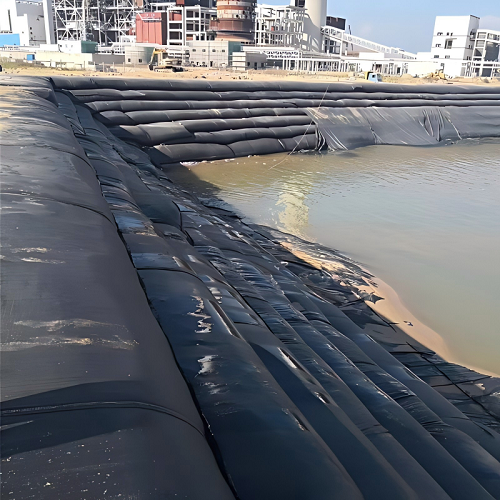
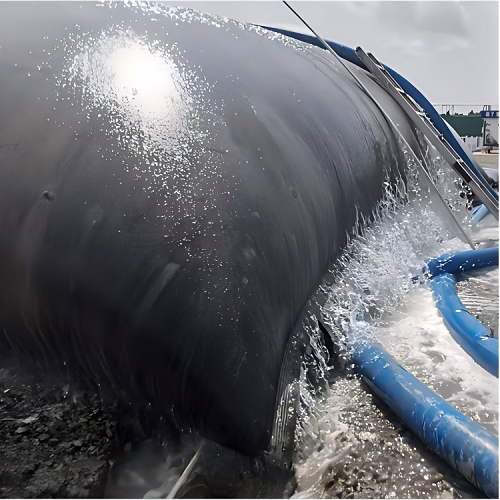
First off, let's talk a bit about what geotubes are. Geotubes are large, tubular containers made from geotextile materials. They're used in a whole bunch of applications, like shoreline protection, sludge dewatering, and sediment control. You can check out more about Geotube Bags on our website.
Now, when it comes to UV resistance, it's super important because geotubes are often used outdoors. Exposure to sunlight, especially the UV rays, can have a big impact on the lifespan and performance of these products. UV rays can cause the geotextile material to degrade over time, making it weaker and less effective.
So, are geotubes resistant to UV rays? Well, it depends. Most geotubes on the market today are designed to have some level of UV resistance. Manufacturers understand that these products are going to be exposed to the sun, so they take steps to protect them.
There are different ways to make geotubes more resistant to UV rays. One common method is to add UV stabilizers to the geotextile material during the manufacturing process. These stabilizers help to absorb and dissipate the UV energy, reducing the damage to the fabric.
Another way is to use high - quality geotextile materials. Some materials are naturally more resistant to UV degradation than others. For example, synthetic fibers like polyester and polypropylene are often used because they have better UV resistance compared to natural fibers.
However, it's important to note that no geotube is completely immune to UV damage. Even with the best UV protection, over time, the geotube will still experience some level of degradation. The rate of degradation depends on a few factors, such as the intensity of the UV exposure, the length of time the geotube is exposed, and the quality of the UV protection.
In areas with high levels of sunlight, like deserts or tropical regions, the geotubes may degrade faster. On the other hand, in areas with less sunlight or where the geotubes are shaded for part of the day, the degradation will be slower.
Let's take a look at some real - world examples. In a shoreline protection project, geotubes are often placed along the beach to prevent erosion. These geotubes are constantly exposed to the sun, so UV resistance is crucial. If the geotubes don't have good UV protection, they may start to break down within a few months, and the shoreline protection will be compromised.
For Geotubes For Sludge Dewatering, they are usually placed in open areas where they are exposed to sunlight. The UV resistance of these geotubes ensures that they can last long enough to effectively dewater the sludge.
When you're considering buying geotubes, it's important to ask the supplier about the UV resistance of their products. A good supplier will be able to provide you with information about the level of UV protection, the expected lifespan under different UV exposure conditions, and any maintenance requirements.
We, as a geotubes supplier, take UV resistance very seriously. Our geotubes are made with high - quality materials and advanced UV stabilizers. We've conducted a lot of tests to ensure that our products can withstand long - term UV exposure.
If you're in the market for geotubes, whether it's for shoreline protection, sludge dewatering, or any other application, it's essential to choose a product with good UV resistance. This will save you money in the long run by reducing the need for frequent replacements.
Now, let's talk about how to maintain the UV resistance of geotubes. One simple thing you can do is to cover the geotubes when they're not in use. This can significantly reduce their exposure to UV rays. Also, regular inspections are important. Look for any signs of degradation, such as cracks, fading, or weakening of the material. If you notice any issues, it's best to address them early.
Another option is to use Geotextile Dewatering Bags. These bags are also made from geotextile materials and are designed for dewatering applications. They often have similar UV resistance properties as geotubes.
In conclusion, geotubes can have a good level of UV resistance, but it's not absolute. It's important to choose the right product, take proper care of it, and understand the limitations. If you have any questions about geotubes and their UV resistance, feel free to reach out to us. We're here to help you make the best choice for your project.
If you're interested in purchasing geotubes, we'd love to have a chat with you. We can discuss your specific needs, provide you with a quote, and answer any other questions you might have. Don't hesitate to get in touch and start the conversation about your geotube requirements.
References:
- Various industry reports on geotextile materials and UV degradation
- Manufacturer specifications of geotubes and geotextile products


