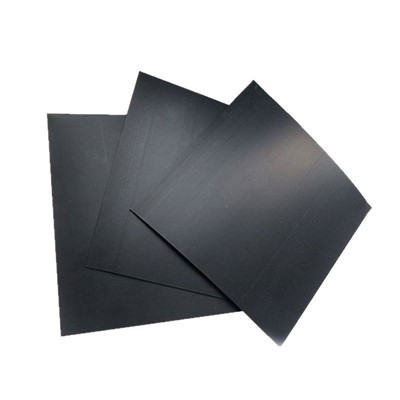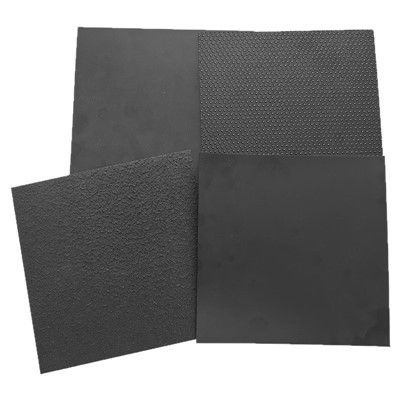
A Geonet is a three-dimensional polymer net, usually made of HDPE or PP, designed for high-capacity drainage. It channels water or leachate efficiently while preventing soil clogging, often used with geotextiles. Common applications include landfill liners, retaining wall drainage, road subbases, green roofs, and erosion control.
Top Geonet Drainage Material Manufacturer
We specialize in manufacturing high-quality HDPE and PP geonets, offering products with excellent compressive strength, chemical resistance, and long-term durability. We provide customized solutions to meet the needs of various projects, including integration with geotextiles to create composite drainage systems. Our advanced production lines and rigorous quality control system ensure that every product meets international standards. Our experienced team of engineers provides technical support and design guidance to help clients optimize drainage efficiency and structural performance. With flexible logistics and reliable after-sales service, we serve customers worldwide, providing durable, efficient, and cost-effective geonet solutions for applications such as roads, landfills, retaining walls, and green roofs.
Best High-Density Polyethylene Geonet
HDPE geonet provides high compressive strength, consistent flow channels, chemical and UV resistance, and long-term durability. Suitable for landfill liners, road subbase drainage, retaining walls, and green roofs, it can be combined with geotextiles for composite drainage systems.

High Tenacity PP Geonet
High Tenacity PP Geonet is a high-strength polypropylene geosynthetic designed for soil reinforcement, drainage, and erosion control. It offers excellent tensile strength, dimensional stability, chemical resistance, and long-term durability in harsh environments, ensuring reliable performance in civil engineering and geotechnical applications.

Premium Polyester (PET) Geonet for Sales
Premium Polyester (PET) Geonet is engineered from high-modulus PET filaments, providing exceptional tensile strength and dimensional stability under sustained loads. Its open-grid structure ensures efficient drainage and soil confinement, while superior resistance to creep, chemicals, and UV exposure guarantees long-term performance in infrastructure, slope stabilization, and foundation reinforcement projects.

Difference Between Geogrid and Geonet
Geogrids and geonets serve distinct roles in civil and geotechnical engineering. Geogrids provide high-strength reinforcement, stabilizing soil and improving load-bearing capacity in roads, embankments, and retaining structures. Geonets, with their open, net-like design, facilitate efficient subsurface drainage, relieving hydrostatic pressure and preventing water accumulation. Choosing the right solution ensures optimal soil stability and project longevity.


| Feature / Type | Geogrid | Geonet |
|---|---|---|
| Primary Function | Soil reinforcement and load-bearing | Drainage and fluid conveyance |
| Structure | Rigid or semi-rigid grid | Open, flexible net-like structure |
| Main Materials | Polypropylene (PP), Polyester (PET), HDPE | Polypropylene (PP), Polyethylene (PE) |
| Tensile Strength | High | Relatively low |
| Applications | Roads, embankments, retaining walls, slope stabilization | Subsurface drainage, water conveyance, pressure relief |
| Fluid Flow Capability | Low | High, allows efficient water/gas flow |
| Durability | Excellent creep resistance, UV and chemical resistance | Chemical and UV resistant, limited long-term load capacity |
| Installation | Requires anchoring and close soil integration | Easy to install, typically placed in drainage layers or within soil |
Performance Advantages of Geonet
As a high-performance 3D polymer geosynthetic, geonet delivers exceptional drainage with unobstructed channels retaining high transmissivity under heavy loads. Lightweight and thin-profile, it slashes construction and logistics costs, enabling fast installation and low maintenance. With HDPE construction, it offers superior chemical/UV resistance, flexibility and long service life, adapting to uneven terrain. It reinforces soil, separates layers and distributes loads evenly, boosting structural stability.


Superior Load-Bearing Drainage Performance
Unobstructed 3D flow channels enable rapid, stable drainage of water and leachate; maintains high transmissivity even under heavy compressive loads without channel collapse, and reduces clogging effectively when combined with geotextiles.
Cost & Construction Efficiency Optimization
Ultra-thin profile (a few millimeters thick) replaces 300-600mm granular drain layers, cutting aggregate, excavation and transportation costs; lightweight roll-type design allows fast on-site laying, shortening construction periods by over 30%.
Excellent Durability & Environmental Adaptability
HDPE material offers strong resistance to acids, alkalis, chemical corrosion and biological degradation; UV-stabilized for long outdoor service, with good flexibility to fit uneven terrain and adapt to structural settlement without cracking.
Outstanding Geotechnical Structural Reinforcement
Excels in soil reinforcement, interlayer separation and uniform load distribution; redistributes structural stress efficiently, enhances stability of slopes, roadbeds, pavements and retaining walls, and reduces soil erosion and foundation damage.
Sustainable & Eco-Friendly Engineering Properties
Replaces traditional concrete, steel and granular materials, reducing raw material extraction and carbon emissions; realizes efficient leachate control and groundwater protection, and prevents ecological soil erosion in engineering areas.
High Versatility & Scenario Adaptability
Widely applicable to landfills, highways, railways, urban tunnels, basement waterproofing and slope stabilization projects, with stable performance in various geotechnical and environmental engineering scenarios.
Taxonomy and Characterization of Geonet Types
Our geonets cover structural, high-strength, anti-corrosion and other core types, classified by raw material, mesh structure and mechanical performance. Each type is characterized by targeted testing of tensile strength, permeability, anti-aging and compressive properties, with clear performance indicators and application scope.


Biplanar Geonets
Biplanar geonets, the earliest and most common type, consist of two polymeric strip arrays crossing at constant angles to form diamond-shaped channels. Their rib design ensures uniform thickness and planar fluid flow, making them ideal for flat drainage systems subject to differential settlement, such as landfill leachate pads or mine bases.
Triplanar Geonets
Triplanar geonets have two parallel layers of thin ribs separated by thick vertical ribs, offering high compressive strength and broad channels for efficient fluid flow. Proper roll orientation is essential to align channels with the desired flow direction.
Composite Geonets
Combining the drainage function of geogrids and the filtration function of geotextiles, they effectively prevent soil erosion. They are suitable for harsh environments and heavy load conditions, and can be installed vertically or horizontally, providing a variety of drainage solutions.
Cuspated Geonets
Cuspated geonets feature hollow cones on a geotextile, allowing multidirectional fluid flow while blocking soil. Their design provides high compressive strength and creep resistance, ensuring reliable drainage under heavy loads.
Professional Guide to Geonet Installation
Follow our expert guide for proper geonet installation: surface prep, positioning, fastening, and drainage integration. Ensure long-lasting performance, stability, and reliable erosion control.


Site Preparation: Clear debris, level the surface, and compact soil to ensure stability.
Geonet Layout: Roll out geonet along the intended drainage or reinforcement area, ensuring correct orientation.
Positioning & Overlaps: Overlap adjacent sheets according to manufacturer guidelines (usually 0.2–0.5 m).
Securing: Anchor edges using pins, stakes, or geotextile fasteners to prevent movement during installation.
Connection to Drainage: Integrate geonet with drainage pipes or outlets, ensuring smooth water flow.
Backfilling: Cover with soil, sand, or aggregate as specified, avoiding sharp objects that may damage the geonet.
Inspection: Check alignment, overlaps, and anchoring before completing the project.
Geonet Application Guide: How to Use It
Geonets are versatile solutions for soil reinforcement, drainage, and erosion control. Use them by preparing a stable base, laying the geonet flat, overlapping sheets per guidelines, and securing edges. Integrate with drainage systems or backfill with suitable material. Proper application ensures long-term stability, efficient water flow, and effective erosion prevention across slopes, roads, retaining walls, and green infrastructure projects.


Slope & Embankment Stabilization: Lay geonet over prepared soil to prevent erosion and reinforce slopes. Secure edges and overlap sheets for continuous protection.
Road & Railway Subgrade Drainage: Place geonet beneath asphalt, concrete, or ballast to enhance drainage, reduce water pressure, and prolong pavement life.
Retaining Walls & Gabions: Install geonet behind walls or within gabion structures to facilitate drainage and prevent soil migration.
Landfill & Waste Containment: Use geonet layers for leachate drainage and to protect geomembranes in waste containment systems.
Green Roofs & Landscaping: Place geonet to improve water drainage, reduce soil compaction, and support vegetation growth.
Sports & Recreational Fields: Integrate geonet for subsurface drainage, ensuring stable and dry surfaces.
What is a Geonet?
What materials and specifications do you offer?
We implement a strict quality management system throughout production. All raw materials are carefully inspected for consistency and durability. Each geonet undergoes in-process and final performance testing, including compressive strength, flow capacity, and long-term UV and chemical resistance, ensuring reliable performance in demanding engineering applications.
Can you provide customized solutions?
Yes, we offer tailored geonet solutions to meet your project’s specific needs. This includes custom thickness, width, compressive strength, and flow capacity, as well as composite configurations with geotextiles. Our engineering team can provide design guidance to optimize drainage efficiency, structural performance, and installation ease.
What are your lead times and logistics options?
Standard geonet products are readily available in stock for immediate shipment. Custom orders typically require 2–4 weeks depending on specifications. We support flexible logistics solutions, including sea, land, and air transport, to ensure timely delivery to global destinations.
Send Your Inquiry Today
-
![3D Composite Geonet]() 3D Composite Geonet
3D Composite Geonet3D Composite Geonet offers high drainage efficiency, strong compressive resistance, and excellent durability. Its three-dimensional structure ensures rapid water flow, reduces clogging risk, and
-
![Composite Drainage Geonet]() Composite Drainage Geonet
Composite Drainage GeonetComposite Drainage Geonet provides excellent in-plane drainage capacity, high compressive strength, and long-term durability. Combined with geotextile layers, it ensures efficient filtration,
-
![High Strength HDPE Geonet]() High Strength HDPE Geonet
High Strength HDPE GeonetHigh strength HDPE geonet is manufactured from high-density polyethylene through an extrusion process, forming square, diamond, or hexagonal mesh structures. It provides a stable reinforcement layer


We are one of the most professional geonet manufacturers and suppliers in China, specialized in providing high quality custom service. We warmly welcome you to wholesale high-grade geonet at competitive price from our factory.