


Hey there! As a supplier of biaxial geogrids, I often get asked whether these nifty products can resist corrosion. Well, let's dive right into it and find out.
First off, what exactly is a biaxial geogrid? It's a type of geosynthetic material made from high - strength polymers. These grids have a unique structure with intersecting ribs in two directions, which gives them excellent mechanical properties. They're used in a wide range of applications, from road base reinforcement to ground stabilisation and even in retaining walls and slopes.
Now, let's talk about corrosion. Corrosion is basically the deterioration of a material due to chemical reactions with its environment. In the case of biaxial geogrids, the main concern is whether they can withstand the various elements they're exposed to in the field.
Most biaxial geogrids are made from polymers like polypropylene or polyethylene. These polymers are inherently resistant to many chemicals and environmental factors. Unlike metals, which can rust and corrode when exposed to moisture and oxygen, polymers don't have the same issues.
For example, in road base reinforcement projects, biaxial geogrids are placed underground. They're in contact with soil, water, and sometimes even chemicals from de - icing salts on the roads. But because of their polymer composition, they can handle these conditions without significant degradation. The Biaxial Geogrid For Road Base Reinforcement we offer is designed to be tough and resilient in these situations.
In ground stabilisation applications, the geogrids are used to improve the stability of soft soils. They're often buried deep in the ground, where they face a different set of challenges. The soil can contain various minerals and organic matter, and there might be groundwater present. But again, the polymer material of the biaxial geogrids resists corrosion well. The BX Geogrids For Ground Stabilisation are engineered to maintain their strength and integrity in these environments.
When it comes to retaining walls and slopes, biaxial geogrids are used to provide reinforcement. They're exposed to the elements, including rain, sunlight, and wind. The polymers in the geogrids are formulated to be UV - resistant, which means they won't break down easily when exposed to sunlight. And since they're not prone to corrosion from water and other environmental factors, they can last a long time. Check out our Steel Plastic Geogrids For Retaining Wall And Slope for more details on how they perform in these applications.
However, it's important to note that while biaxial geogrids are generally corrosion - resistant, there are some factors that can affect their performance. For instance, if they're exposed to extremely harsh chemicals or very high temperatures for an extended period, their properties might change. But in normal, real - world applications, these situations are rare.
Another thing to consider is the quality of the geogrid. A well - made biaxial geogrid from a reliable supplier will have better corrosion resistance. At our company, we use high - quality polymers and advanced manufacturing processes to ensure that our geogrids can withstand the test of time.
We also conduct extensive testing on our products. We expose them to different environmental conditions in the lab to simulate real - world scenarios. This helps us ensure that our biaxial geogrids meet the highest standards of quality and performance.

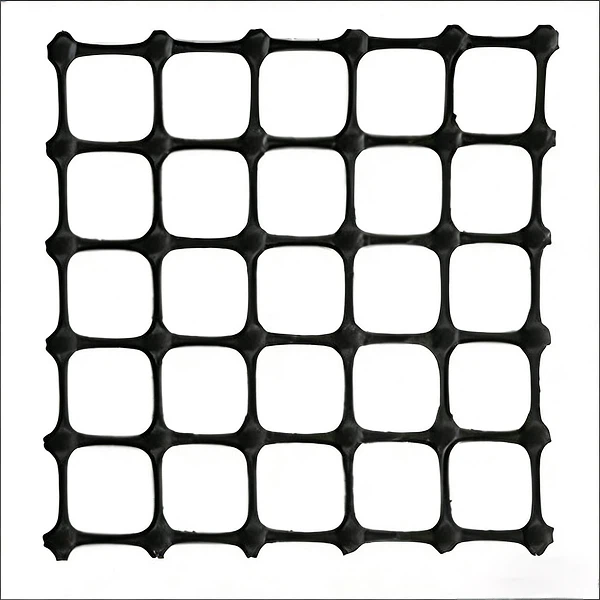
In conclusion, biaxial geogrids are highly resistant to corrosion. Their polymer composition makes them a great choice for a variety of applications where durability and long - term performance are crucial. Whether you're working on a road project, a ground stabilisation job, or a retaining wall, biaxial geogrids can provide the reinforcement you need without worrying about corrosion.
If you're in the market for biaxial geogrids, we'd love to have a chat with you. We can provide you with more information about our products, their specifications, and how they can meet your specific needs. Don't hesitate to reach out and start a conversation about your project requirements.
References:
- Geosynthetics Institute. (2023). Introduction to Geogrids.
- ASTM International. (2023). Standards for Geosynthetic Materials.


