
Can Biaxial Plastic Geogrid be used in wet soil conditions?
As a supplier of biaxial plastic geogrids, I am often asked whether our products can be effectively used in wet soil conditions. This is a crucial question, especially considering the diverse range of applications where soil reinforcement is required, many of which may involve wet or water - saturated soils.
Characteristics of Biaxial Plastic Geogrid
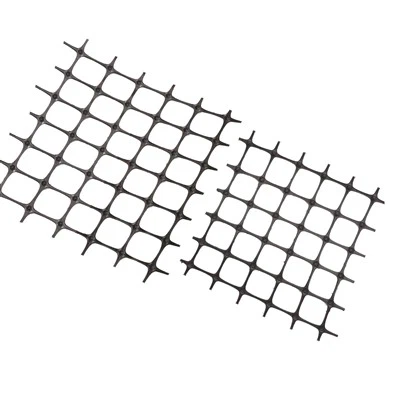
Biaxial plastic geogrids are made from high - density polyethylene (HDPE) or polypropylene (PP) materials. These polymers offer several advantages that make them suitable for various soil reinforcement projects. They have high tensile strength, which allows them to withstand significant loads and distribute forces evenly across the soil mass. The grid structure provides excellent interlocking with the soil particles, enhancing the overall stability of the soil.


Challenges in Wet Soil Conditions
Wet soil presents unique challenges for any soil reinforcement material. The presence of water can reduce the shear strength of the soil, making it more prone to deformation and failure. Additionally, water can cause corrosion or degradation of some materials over time. In the case of biaxial plastic geogrids, the key concerns are related to the interaction between the grid and the wet soil, as well as the long - term performance of the grid in a wet environment.
Suitability of Biaxial Plastic Geogrid in Wet Soil
1. Chemical Resistance
One of the major advantages of biaxial plastic geogrids is their excellent chemical resistance. HDPE and PP are resistant to most chemicals found in soil, including acids, alkalis, and salts. This means that in wet soil conditions, where the soil may contain various chemical substances, the geogrid will not be easily corroded or degraded. For example, in areas with high groundwater levels or near bodies of water, the geogrid can maintain its integrity and strength over an extended period.
2. Interlocking with Wet Soil
The grid structure of biaxial plastic geogrids allows for effective interlocking with wet soil particles. Even in wet conditions, the soil can still fill the openings of the grid, creating a mechanical bond. This interlocking helps to transfer the loads from the soil to the geogrid, improving the overall stability of the soil mass. For instance, in a slope stabilization project in a wet area, the biaxial plastic geogrid can prevent soil erosion and sliding by providing a stable framework for the soil.
3. Drainage Properties
In some cases, biaxial plastic geogrids can also contribute to drainage in wet soil. The open structure of the grid allows water to flow through, reducing the pore water pressure in the soil. This is particularly important in preventing soil liquefaction and improving the shear strength of the soil. For example, in a road construction project on wet ground, the geogrid can help to drain excess water from the subgrade, enhancing the stability of the road foundation.
Case Studies
There have been numerous successful projects where biaxial plastic geogrids have been used in wet soil conditions. For example, in a coastal reclamation project, the biaxial plastic geogrid was used to reinforce the soft, water - saturated soil. The geogrid effectively improved the bearing capacity of the soil, allowing for the construction of buildings and infrastructure on the reclaimed land. Another case is a flood - prone area where the geogrid was used to stabilize embankments. The geogrid withstood the wet conditions and prevented the embankments from collapsing during floods.
Our Product Offerings
We offer a range of biaxial plastic geogrids that are suitable for wet soil conditions. Our Bx Geogrid is designed with high - quality HDPE material, which provides excellent chemical resistance and high tensile strength. It is ideal for various applications in wet soil, such as slope stabilization, road construction, and landfill liner systems.
Our High - Tensile Steel Plastic Geogrid 30 - 120kN combines the strength of steel with the corrosion resistance of plastic. This product is particularly suitable for projects where high load - bearing capacity is required in wet soil conditions.
If you are looking for biaxial plastic geogrids for soil reinforcement in wet soil, our Biaxial Geogrids For Soil Reinforcement are the perfect choice. They are engineered to provide optimal performance in challenging wet soil environments.
Conclusion
In conclusion, biaxial plastic geogrids can indeed be used in wet soil conditions. Their chemical resistance, ability to interlock with wet soil, and potential for drainage make them a reliable choice for soil reinforcement projects in wet areas. As a supplier, we are committed to providing high - quality biaxial plastic geogrids that meet the specific needs of our customers in wet soil applications.
If you are interested in our biaxial plastic geogrids and would like to discuss your project requirements, please feel free to reach out to us. We are ready to assist you in finding the best solution for your soil reinforcement needs in wet soil conditions.
References
- Koerner, R. M. (2012). Designing with Geosynthetics. Pearson Prentice Hall.
- Bonaparte, R., & Christopher, B. R. (1993). Geosynthetics in waste containment. Van Nostrand Reinhold.
- Giroud, J. P., & Han, J. (2004). Design and construction of soil - geosynthetic systems. CRC Press.