
Hey there! As a supplier of fiberglass geogrids, I often get asked, "Do fiberglass geogrids require maintenance?" Well, let's dive right into this topic and find out.
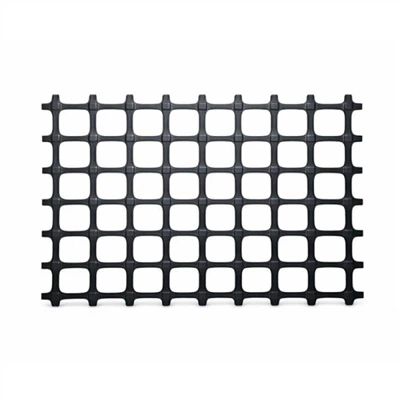
First off, let's understand what fiberglass geogrids are. Fiberglass geogrids are made from high - strength fiberglass yarns that are woven and then coated with a polymer. They're used in a bunch of different applications, like highway overlays, airport runways, and road reinforcement. You can check out our Fiberglass Geogrid For Highway Overlay, Fiberglass Geogrid For Airport Runway, and Fiberglass Geogrid For Road Reinforcement for more details.
One of the great things about fiberglass geogrids is their durability. Fiberglass itself is a very strong and stable material. It has high tensile strength, which means it can withstand a lot of pulling forces without breaking. The polymer coating on the geogrid further enhances its performance. This coating protects the fiberglass from environmental factors like moisture, chemicals, and ultraviolet (UV) rays.
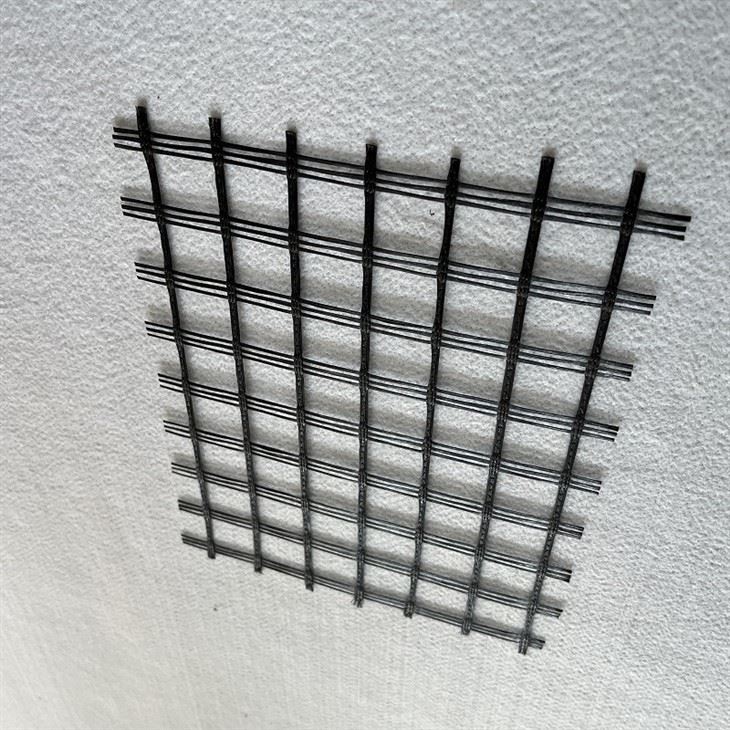

When it comes to maintenance, in many cases, fiberglass geogrids require very little to no maintenance. Once they're properly installed, they'll go about their business of strengthening the surface without much fuss.
Let's talk about installation. Proper installation is key to minimizing the need for maintenance. During installation, the geogrid should be laid flat on a clean and dry surface. Any debris or unevenness on the surface can cause problems later on. The geogrid should be fastened securely, usually with staples or adhesives, depending on the application. If it's not installed correctly, it might shift or wrinkle, which could lead to issues with the reinforced surface.
In the case of highway overlays, for example, the fiberglass geogrid is installed between the old pavement and the new asphalt layer. If installed right, it helps to prevent reflective cracking. Reflective cracking happens when cracks in the old pavement start to show through the new asphalt. The geogrid acts as a barrier, distributing the stress from the cracks and reducing the chance of them reappearing. And since the geogrid is buried under the asphalt, it's protected from most external factors. As long as the asphalt above it remains intact, the geogrid should keep working effectively without any special maintenance.
Similarly, for airport runways, the Fiberglass Geogrid For Airport Runway helps to strengthen the runway surface. Airport runways experience a lot of heavy - duty traffic from large aircraft. The geogrid can handle the high - stress loads and extending the lifespan of the runway. Once it's in place and the runway surface is properly constructed, again, maintenance requirements are minimal.
However, there are some situations where you might need to pay a bit more attention. If the area where the fiberglass geogrid is installed is exposed to extreme environmental conditions, like very high or very low temperatures, or if there's a lot of chemical exposure, it could potentially affect the geogrid over time.
For instance, in an industrial area where there's a lot of chemical spillage, the polymer coating on the geogrid could be damaged. If the coating gets damaged, the underlying fiberglass might be more vulnerable to corrosion and other problems. In such cases, regular inspections are a good idea. You can look for signs of coating deterioration, like chipping or discoloration. If you notice any issues, it's important to take action quickly.
Another situation where you might need to be more vigilant is if there's significant ground movement. Earthquakes, landslides, or even gradual soil settlement can put stress on the geogrid. If the geogrid is stretched or torn due to ground movement, it might affect its performance. Regular inspections in areas prone to these types of geological events can help you catch any problems early.
But overall, compared to many other materials used in construction, fiberglass geogrids are a low - maintenance option. They're designed to be long - lasting and reliable.
Now, let's talk about our Glass Fiber Reinforcement Grid and Asphalt Fiberglass Geogrid For Road Construction. These products are part of our wide range of fiberglass geogrid offerings. They're made with high - quality materials and are rigorously tested to ensure they meet the highest standards.
If you're in the market for fiberglass geogrids, whether it's for a highway project, an airport runway, or just a simple road reinforcement job, we've got you covered. Our products are not only durable but also cost - effective. You won't have to worry about spending a fortune on maintenance, and you can be confident that you're getting a reliable product.
So, if you're interested in purchasing fiberglass geogrids, don't hesitate to reach out. We're here to answer any questions you might have and help you choose the right product for your specific needs. Just get in touch, and we can start a great business relationship.
In conclusion, while fiberglass geogrids generally don't require much maintenance, it's still a good idea to be aware of the potential factors that could affect them. With proper installation and a bit of common - sense monitoring, you can ensure that your fiberglass geogrid performs well for a long time.
Reference:
- Textbook on Geosynthetics Engineering
- Industry reports on Fiberglass Geogrid performance