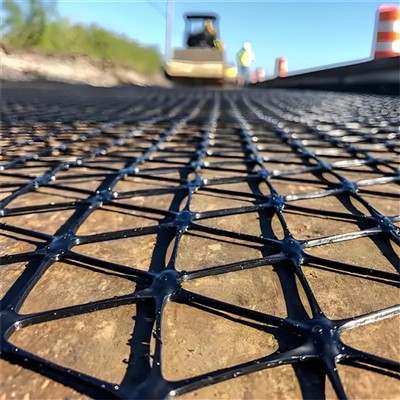

How to Measure the Tensile Strength of PVC Geomembrane
PVC geomembranes are widely used in environmental protection, water containment, mining, landfill engineering, aquaculture, and civil infrastructure projects because of their excellent flexibility, impermeability, and chemical resistance. Among all performance indicators, tensile strength is one of the most critical mechanical properties for evaluating the quality and durability of a PVC geomembrane liner.
For engineers, contractors, and international buyers, understanding how tensile strength is measured can help ensure the selection of reliable geomembrane materials for long-term project performance. As a professional PVC geomembrane supplier, we understand the importance of accurate testing and strict quality control in geosynthetic manufacturing.
This article explains the meaning of tensile strength, the standard testing process, factors influencing test results, and why tensile strength testing is essential for PVC geomembrane applications.
What Is PVC Geomembrane?
PVC geomembrane is a flexible waterproof geosynthetic membrane manufactured from polyvinyl chloride (PVC) resin combined with plasticizers, stabilizers, and other additives. Due to its flexibility and excellent welding properties, PVC geomembrane is commonly used in:
Landfill liner systems
Water reservoirs and canals
Mining heap leach pads
Aquaculture ponds
Tunnel waterproofing
Decorative ponds and lakes
Wastewater treatment facilities
Compared with some rigid geomembranes, PVC geomembranes provide excellent adaptability to uneven surfaces and complex engineering conditions.
Why Tensile Strength Matters in PVC Geomembrane
Tensile strength refers to the maximum tensile force a material can withstand before breaking. For PVC geomembranes, this property directly affects the membrane's ability to resist deformation, cracking, and failure during installation and long-term operation.
In practical engineering applications, PVC geomembranes are exposed to multiple stresses, including:
Soil settlement
Water pressure
Thermal expansion and contraction
Construction tension during installation
External mechanical loads
If the tensile strength is insufficient, the geomembrane may rupture or deform, potentially causing leakage and environmental contamination.
High tensile strength helps ensure:
Long-term waterproofing performance
Structural stability
Improved puncture resistance
Better durability under stress
Reduced maintenance costs
For landfill and reservoir projects, tensile strength is especially important because membrane failure can lead to serious environmental and economic consequences.
Standard Methods for Measuring Tensile Strength
The tensile strength of PVC geomembranes is typically tested using international standards such as ASTM D882 or ISO tensile testing methods for plastic films and sheets.
The test is conducted using a universal tensile testing machine, which applies controlled tensile force to the sample until failure occurs.
Equipment Required for Tensile Strength Testing
Universal Testing Machine
A universal testing machine (UTM) is the primary equipment used to measure tensile strength. The machine records force and elongation data during the test process.
Specimen Cutting Tools
Precision cutting tools are used to prepare standardized test specimens with accurate dimensions.
Thickness Measurement Instruments
A thickness gauge is used to measure the geomembrane thickness, which is necessary for calculating tensile stress.
Step-by-Step Tensile Strength Testing Process
1. Specimen Preparation
Test specimens are cut from the PVC geomembrane sheet according to standard dimensions. The specimens are usually rectangular strips with specified width and gauge length.
Proper specimen preparation is essential because uneven edges or defects can affect test accuracy.
Important considerations include:
Smooth specimen edges
Uniform thickness
No scratches or damage
Correct specimen dimensions
Each sample should also be properly labeled for traceability.
2. Mounting the Specimen
The prepared specimen is clamped securely into the grips of the universal testing machine.
Correct alignment is extremely important to prevent:
Slippage during testing
Uneven stress distribution
Premature failure
The gauge length is then adjusted according to testing standards.
3. Applying Tensile Force
The testing machine applies tensile force at a controlled speed. Common loading rates are specified in ASTM or ISO standards.
During the test, the machine continuously records:
Applied force
Elongation
Stress-strain behavior
The test continues until the specimen breaks.
4. Recording Test Results
The maximum force reached before failure is recorded as the peak tensile load.
The elongation at break is also measured to evaluate the flexibility and ductility of the PVC geomembrane.
5. Calculating Tensile Strength
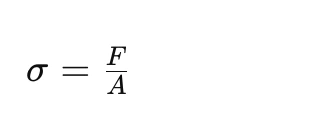
Tensile strength is calculated using the following principle:
Where:
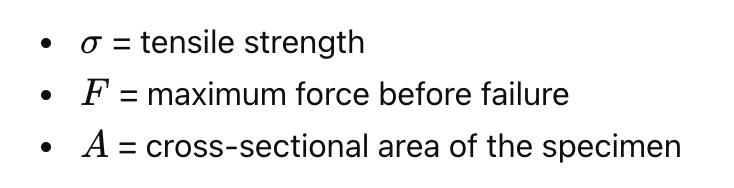
This calculation provides the tensile strength value typically expressed in MPa or N/mm².
Factors Affecting Tensile Strength Test Results
Several factors can influence the accuracy and consistency of tensile strength measurements.
Specimen Quality
Defects such as cuts, scratches, air bubbles, or inconsistent thickness can significantly affect test outcomes.
Testing Temperature and Humidity
PVC materials are sensitive to environmental conditions. Standard testing is usually performed at:
Temperature: 23 ± 2°C
Relative Humidity: 50 ± 5%
Equipment Calibration
The universal testing machine must be calibrated regularly to ensure precise force measurement.
Loading Speed
Different loading speeds may affect tensile performance results, so standard testing procedures must be followed carefully.
Applications Requiring High Tensile Strength PVC Geomembranes
Landfill Liners
Landfill projects require high-strength geomembranes to resist settlement and long-term stress.
Mining Projects
Heap leach pads and tailings ponds often operate under harsh chemical and mechanical conditions.
Water Reservoirs
Reservoir liners must withstand hydrostatic pressure and environmental exposure for many years.
Aquaculture Ponds
Flexible PVC geomembranes are widely used in fish and shrimp farming systems.
Canal and Tunnel Waterproofing
Infrastructure waterproofing applications demand durable and crack-resistant geomembrane systems.
Why Choose Weiwo Geosynthetics for PVC Geomembrane Projects
Weiwo Geosynthetics is a professional geosynthetics manufacturer specializing in geomembranes, geotextiles, geogrids, drainage materials, and reinforcement products for global engineering projects.
For international buyers seeking reliable PVC geomembrane suppliers, Weiwo provides stable manufacturing quality, professional testing standards, and strong export support for infrastructure and environmental applications.
Advantages of Weiwo PVC Geomembranes
High tensile strength and flexibility
Excellent chemical and UV resistance
Strict quality inspection and laboratory testing
Stable welding performance for field installation
Customized thickness and roll sizes
Professional support for landfill, mining, aquaculture, and water containment projects
Weiwo's PVC geomembrane liners are manufactured using advanced production technology and quality-controlled raw materials to ensure long-term durability and engineering reliability.
With extensive export experience and professional customer service, Weiwo has become a trusted geosynthetics partner for contractors, distributors, and engineering companies worldwide.
Conclusion
Tensile strength testing is one of the most important quality evaluation methods for PVC geomembranes. Accurate testing helps ensure that geomembrane liners can withstand mechanical stress, environmental exposure, and long-term engineering demands.
By understanding the testing process, environmental factors, and material performance requirements, buyers and engineers can select suitable geomembrane products for their projects.
For overseas buyers looking for high-quality PVC geomembrane liners with reliable tensile performance, Weiwo Geosynthetics provides professional geosynthetic solutions supported by strict quality control, advanced manufacturing technology, and global export experience.