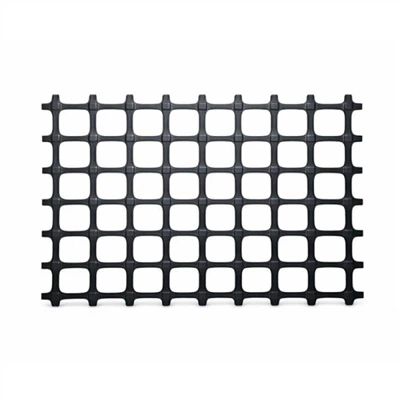

When it comes to geotechnical engineering projects, especially those dealing with soil stabilization and reinforcement, one question that often arises is whether triaxial geogrid is suitable for wet soil conditions. As a supplier of triaxial geogrid, I've encountered this query numerous times from clients across various industries. In this blog, I'll delve into the characteristics of triaxial geogrid, analyze its performance in wet soil, and provide insights to help you make an informed decision.
Understanding Triaxial Geogrid
Triaxial geogrid is a three - dimensional geosynthetic material made from high - density polyethylene (HDPE) through a unique manufacturing process. Its triangular aperture shape provides a more efficient load - distribution mechanism compared to traditional biaxial geogrids. The triangular structure creates a stable interlock with the soil particles, enhancing the overall stability of the soil mass.
The benefits of triaxial geogrid are well - documented in different applications. For instance, in railway sub - ballast stabilization, it can significantly reduce the settlement of the railway track and improve the long - term performance of the sub - ballast layer. You can learn more about Triaxial Geogrid for Railway Sub - Ballast Stabilisation. It is also widely used for ground reinforcement, where it can increase the bearing capacity of weak soils and prevent soil erosion. Check out Triaxial Geogrid For Ground Reinforcement to understand its role in this area. In pavement reinforcement, triaxial geogrid can extend the service life of roads by reducing rutting and cracking. More details can be found at Triaxial Geogrid For Pavement Reinforcement. And for soil reinforcement projects in general, it offers an effective solution to enhance soil stability. Refer to Triaxial Geogrid For Soil Reinforcement for more information.
Challenges in Wet Soil Conditions
Wet soil presents several challenges for geotechnical projects. Firstly, the presence of water reduces the soil's shear strength. Water fills the voids between soil particles, increasing the pore - water pressure and reducing the effective stress within the soil. This can lead to soil deformation, slope instability, and settlement.
Secondly, wet soil is more prone to erosion. The flowing water can carry away soil particles, causing the loss of soil mass and undermining the stability of the structure built on it. In addition, the freeze - thaw cycle in cold regions can further exacerbate the problems in wet soil, as the expansion and contraction of water during freezing and thawing can damage the soil structure.
Performance of Triaxial Geogrid in Wet Soil
Interlock and Reinforcement
One of the key advantages of triaxial geogrid in wet soil is its ability to provide a strong interlock with soil particles. Even in wet conditions, the triangular apertures of the geogrid can capture and hold the soil, preventing it from being washed away. This interlocking mechanism helps to increase the soil's shear strength and stability. The geogrid distributes the load more evenly across the soil mass, reducing the stress concentration and minimizing the potential for soil deformation.
Drainage
Triaxial geogrid can also play a role in facilitating drainage in wet soil. The open structure of the geogrid allows water to flow through, which helps to reduce the pore - water pressure. By promoting drainage, the geogrid can accelerate the consolidation process of the soil and improve its strength over time. This is particularly important in projects where the soil needs to gain strength quickly, such as in the construction of embankments or foundations.
Resistance to Environmental Factors
High - quality triaxial geogrid, like the Triaxial Grid we supply, is made from materials that are resistant to environmental factors such as moisture, chemicals, and UV radiation. This means that the geogrid can maintain its performance and integrity in wet soil conditions for an extended period. It won't degrade easily due to the presence of water or other substances in the soil, ensuring long - term stability for the project.
Case Studies
There have been numerous successful projects where triaxial geogrid has been used in wet soil conditions. For example, in a coastal road construction project, the soil was highly saturated due to its proximity to the sea. By installing triaxial geogrid in the sub - base layer, the engineers were able to improve the soil's bearing capacity and reduce the settlement of the road. The geogrid effectively interlocked with the wet soil, preventing the soil from being displaced by the traffic loads.
In another project involving the reinforcement of a slope in a rainy area, triaxial geogrid was used to stabilize the soil. The geogrid not only provided reinforcement to prevent slope failure but also allowed for proper drainage, reducing the risk of water - induced landslides. These case studies demonstrate the effectiveness of triaxial geogrid in wet soil conditions.


Considerations for Using Triaxial Geogrid in Wet Soil
While triaxial geogrid offers many benefits in wet soil, there are some considerations to keep in mind. Firstly, proper installation is crucial. The geogrid needs to be installed at the correct depth and with proper overlap to ensure its effectiveness. In wet soil, the installation process may be more challenging due to the softness of the soil, but with the right equipment and techniques, it can be done successfully.
Secondly, the type of soil also matters. Different types of wet soil, such as clayey soil, silty soil, or sandy soil, have different properties, and the performance of triaxial geogrid may vary accordingly. For example, in clayey soil, the geogrid may need to be designed to handle the high plasticity and low permeability of the soil.
Conclusion
In conclusion, triaxial geogrid is generally suitable for wet soil conditions. Its unique triangular structure, ability to interlock with soil particles, promote drainage, and resist environmental factors make it an effective solution for soil stabilization and reinforcement in wet environments. However, proper installation and consideration of soil type are essential to ensure optimal performance.
If you are involved in a project that requires soil reinforcement in wet soil conditions, I encourage you to consider using triaxial geogrid. As a reliable supplier, we can provide you with high - quality triaxial geogrid products and professional technical support. Contact us to discuss your specific requirements and start a procurement negotiation. We are committed to helping you achieve the best results for your project.
References
- Koerner, R. M. (2012). Designing with Geosynthetics. Pearson Prentice Hall.
- Bonaparte, R., & Christopher, B. R. (1993). Geosynthetics in Civil Engineering. ASCE Press.