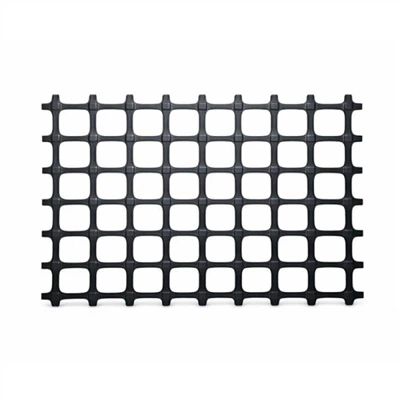

As a biaxial geogrid supplier, I've seen firsthand how these nifty products can transform construction and civil engineering projects. Biaxial geogrids are like the unsung heroes of the ground - they provide reinforcement, stability, and help prevent soil erosion. But what exactly affects their performance? Let's dive in and explore the key factors.
Material Quality
The quality of the material used to make biaxial geogrids is a no - brainer when it comes to performance. Geogrids are typically made from polymers like polypropylene or polyethylene. High - quality polymers are more resistant to environmental factors such as UV radiation, chemicals, and temperature variations.
For instance, if a geogrid is exposed to sunlight for long periods, a low - quality polymer may start to degrade, losing its strength and integrity. On the other hand, a high - quality polymer can withstand UV rays for years without significant deterioration. At our company, we ensure that we source the best polymers for our biaxial geogrids. This way, our customers can trust that the geogrids will perform well in any environment. You can check out our ASTM Geogrid, which is made from top - notch materials and meets strict industry standards.
Manufacturing Process
How the biaxial geogrid is made also plays a huge role in its performance. A well - manufactured geogrid has a uniform structure, with consistent aperture sizes and strand thickness. The manufacturing process should ensure that the strands are properly bonded at the junctions.
If the junctions are weak, the geogrid may come apart under stress, reducing its effectiveness. We use state - of - the - art manufacturing techniques to produce our geogrids. Our process involves precise control of the extrusion and stretching processes, which results in a strong and durable product. Take a look at our High - Tensile Steel Plastic Geogrid 30 - 120kN, which is a testament to our high - quality manufacturing.
Installation Method
Proper installation is crucial for the performance of biaxial geogrids. If the geogrid is not installed correctly, it won't be able to provide the necessary reinforcement. The ground surface should be properly prepared before installation. It should be level, free of debris, and compacted to a certain degree.
The geogrid should be laid out smoothly, without any wrinkles or folds. Overlapping the geogrid sheets is also important to ensure continuity and strength. We provide detailed installation guidelines to our customers to make sure they get it right. If you're using our Geo Grids For Gravel, following our installation instructions will help you get the most out of the product.
Soil Conditions
The type of soil where the biaxial geogrid is installed can have a big impact on its performance. Different soils have different properties, such as particle size, density, and moisture content.
For example, in cohesive soils like clay, the geogrid needs to be able to interlock with the soil particles effectively. In granular soils like sand, the geogrid should prevent the soil from shifting and provide stability. Our Biaxial Geogrids For Soil Reinforcement are designed to work well in a variety of soil conditions. We take into account the soil characteristics when recommending the right geogrid for a project.


Load and Stress
The amount of load and stress the geogrid will be subjected to is another important factor. In construction projects, the geogrid may need to support heavy structures, vehicles, or even the weight of the soil itself.
If the geogrid is not strong enough to handle the load, it may fail, leading to problems like soil settlement or slope instability. We offer geogrids with different tensile strengths to meet the specific load requirements of different projects. Whether it's a small residential project or a large - scale infrastructure development, we have the right geogrid for the job.
Environmental Factors
Environmental factors such as temperature, humidity, and precipitation can also affect the performance of biaxial geogrids. Extreme temperatures can cause the polymer to expand or contract, which may weaken the geogrid over time.
High humidity and frequent precipitation can lead to soil saturation, which increases the load on the geogrid. Our Erosion Control Geogrid is designed to withstand these environmental challenges. It helps prevent soil erosion even in harsh weather conditions.
Maintenance
Proper maintenance can extend the lifespan and improve the performance of biaxial geogrids. Regular inspections should be carried out to check for any signs of damage or degradation. If any issues are found, they should be addressed promptly.
For example, if a geogrid is damaged due to construction activities, it should be repaired or replaced as soon as possible. We provide maintenance tips to our customers to help them keep their geogrids in good condition.
In conclusion, the performance of biaxial geogrids is affected by a variety of factors, including material quality, manufacturing process, installation method, soil conditions, load and stress, environmental factors, and maintenance. As a biaxial geogrid supplier, we are committed to providing high - quality products and comprehensive support to our customers. If you're in the market for biaxial geogrids, don't hesitate to reach out for a discussion on your project requirements. We're here to help you find the best solution for your needs.
References
- "Geosynthetics in Civil Engineering" by R. K. Rowe
- "Design and Construction of Geosynthetic - Reinforced Soil Structures" by J. Christopher Han