


As a supplier of fiberglass geogrids, I am often asked about the technical specifications of these remarkable products. Fiberglass geogrids are widely used in civil engineering and construction projects for their excellent mechanical properties and durability. In this blog post, I will delve into the key technical specifications of fiberglass geogrids, providing you with a comprehensive understanding of their features and applications.
Composition and Structure
Fiberglass geogrids are typically made from high-strength fiberglass yarns that are woven or knitted into a grid structure. The fiberglass yarns are coated with a polymer resin to enhance their resistance to environmental factors such as moisture, chemicals, and UV radiation. The grid structure consists of longitudinal and transverse ribs that intersect at regular intervals, creating a network of openings. This structure provides high tensile strength and stiffness, making fiberglass geogrids ideal for reinforcement applications.
Tensile Strength
One of the most important technical specifications of fiberglass geogrids is their tensile strength. Tensile strength refers to the maximum amount of stress that a material can withstand before it breaks. Fiberglass geogrids are known for their high tensile strength, which allows them to effectively distribute loads and prevent soil movement. The tensile strength of fiberglass geogrids is typically measured in kilonewtons per meter (kN/m) and can vary depending on the type and design of the geogrid.
In general, fiberglass geogrids have a higher tensile strength than other types of geogrids, such as polyester or polypropylene geogrids. This makes them particularly suitable for applications where high strength is required, such as road reinforcement and soil stabilization. For example, in road construction, fiberglass geogrids can be used to reinforce asphalt pavements, reducing the risk of cracking and improving the overall performance of the road.
Modulus of Elasticity
The modulus of elasticity is another important technical specification of fiberglass geogrids. It measures the stiffness of the geogrid and indicates how much it will stretch under a given load. A higher modulus of elasticity means that the geogrid is stiffer and less likely to deform under stress.

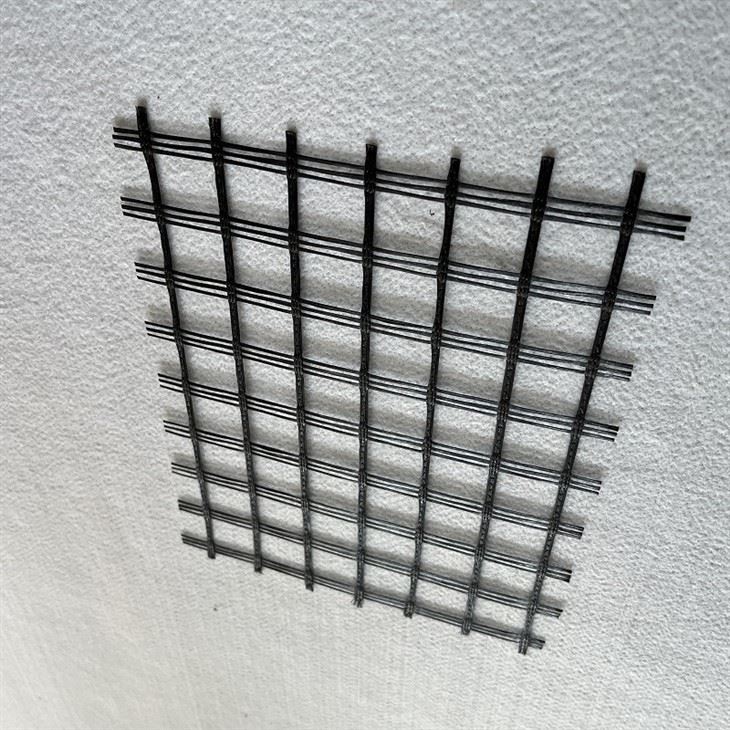
Fiberglass geogrids have a relatively high modulus of elasticity, which allows them to maintain their shape and provide effective reinforcement. This is particularly important in applications where long-term performance is required, such as in the construction of retaining walls or slopes. The high modulus of elasticity of fiberglass geogrids also helps to distribute loads more evenly, reducing the stress on the surrounding soil and preventing soil settlement.
Aperture Size
The aperture size of a fiberglass geogrid refers to the size of the openings in the grid structure. The aperture size can have a significant impact on the performance of the geogrid, as it affects the interaction between the geogrid and the surrounding soil. A smaller aperture size generally provides better interlocking with the soil, resulting in improved reinforcement.
The choice of aperture size depends on the specific application and the type of soil. For example, in applications where fine-grained soils are present, a smaller aperture size may be preferred to prevent the soil from passing through the geogrid. On the other hand, in applications where coarse-grained soils are present, a larger aperture size may be more appropriate to allow for better drainage and soil movement.
Coating and Surface Treatment
The coating and surface treatment of fiberglass geogrids play an important role in their performance and durability. The coating provides protection against environmental factors such as moisture, chemicals, and UV radiation, while the surface treatment can improve the adhesion between the geogrid and the surrounding soil.
Common coatings used for fiberglass geogrids include bitumen, polymer, and acrylic coatings. These coatings can enhance the resistance of the geogrid to moisture and chemicals, as well as improve its durability and longevity. Surface treatments such as sandblasting or chemical treatment can also be applied to the geogrid to improve its adhesion to the soil.
Applications of Fiberglass Geogrids
Fiberglass geogrids have a wide range of applications in civil engineering and construction projects. Some of the common applications include:
- Road Reinforcement: Fiberglass geogrids can be used to reinforce asphalt pavements, reducing the risk of cracking and improving the overall performance of the road. They can also be used to stabilize the base layer of the road, preventing soil movement and reducing the need for frequent maintenance. Fiberglass Geogrid For Road Reinforcement
- Soil Stabilization: Fiberglass geogrids can be used to stabilize soil slopes and embankments, preventing soil erosion and landslides. They can also be used to reinforce retaining walls and other soil structures, improving their stability and durability.
- Railway Track Reinforcement: Fiberglass geogrids can be used to reinforce railway tracks, reducing the risk of track deformation and improving the overall performance of the railway system. They can also be used to stabilize the ballast layer of the track, preventing ballast migration and improving the drainage of the track.
- Asphalt Pavement Reinforcement: Fiberglass geogrids can be used to reinforce asphalt pavements, reducing the risk of cracking and improving the overall performance of the pavement. They can also be used to prevent reflective cracking in asphalt overlays, extending the service life of the pavement. Fiberglass Geogrids For Asphalt Pavement
Conclusion
In conclusion, fiberglass geogrids are a versatile and effective solution for a wide range of civil engineering and construction applications. Their high tensile strength, stiffness, and durability make them ideal for reinforcement and stabilization purposes. By understanding the technical specifications of fiberglass geogrids, you can make an informed decision when selecting the right geogrid for your project.
If you are interested in purchasing fiberglass geogrids for your project, please feel free to contact us for more information. We are a leading supplier of fiberglass geogrids and can provide you with high-quality products and professional technical support.


