
Hey there! As a geogrids supplier, I've been getting a ton of questions about the impact resistance of geogrids lately. So, I thought I'd sit down and write a blog post to clear things up.
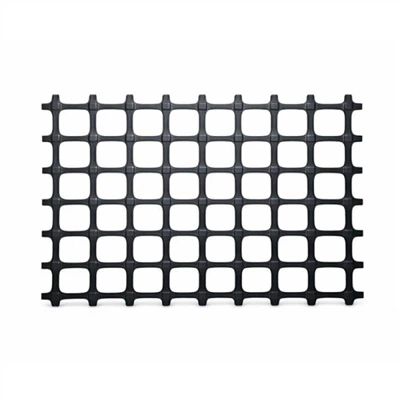
First off, let's talk about what geogrids are. Geogrids are basically a type of geosynthetic material made from polymers like polyethylene or polypropylene. They come in different shapes and sizes, but most of them have a grid-like structure. This structure gives geogrids their unique properties, which make them super useful in a whole bunch of construction and civil engineering projects.
Now, onto the main topic: impact resistance. Impact resistance is all about how well a geogrid can handle sudden, high-force impacts without getting damaged. This is a crucial property, especially in applications where the geogrid might be exposed to heavy loads or objects that could hit it.
One of the biggest factors that determine a geogrid's impact resistance is its material. For example, geogrids made from high-density polyethylene (HDPE) usually have better impact resistance compared to those made from other polymers. HDPE is a tough and durable material that can absorb a significant amount of energy when it's hit. This means it can withstand impacts without cracking or breaking easily.
The design of the geogrid also plays a huge role. Geogrids with a more complex and robust grid structure tend to have better impact resistance. The way the strands of the grid are connected and how they're arranged can affect how well the geogrid distributes the impact force. If the force is evenly distributed, the geogrid is less likely to fail under impact.
Let's take a look at some real-world applications to see why impact resistance matters. In road construction, geogrids are often used to reinforce the soil beneath the pavement. When heavy vehicles drive over the road, they create a lot of impact forces. If the geogrid doesn't have good impact resistance, it could get damaged, which would reduce its ability to reinforce the soil. This could eventually lead to pavement failures like cracking and potholes.
Another application is in retaining walls. Geogrids are used to strengthen the soil behind the wall, helping it to hold its shape. If there's an impact, say from a falling rock or a vehicle hitting the wall, a geogrid with poor impact resistance might break. This could cause the soil to lose its stability, and the retaining wall could collapse.
Now, let me tell you about some of the geogrids we offer at our company. We have a wide range of products that are designed to meet different needs.
First up is the Triaxial Geogrid For Soft Soil Stabilization. This geogrid is great for projects where you need to stabilize soft or weak soils. Its triaxial design gives it excellent impact resistance, allowing it to handle heavy loads and sudden impacts without losing its integrity. It's perfect for use in areas like construction sites, where there might be a lot of heavy equipment moving around.


Next, we have the Triaxial Geogrid For Ground Reinforcement. This one is specifically designed for ground reinforcement applications. It has a high-strength structure that can withstand a lot of stress and impact. Whether you're building a parking lot or a runway, this geogrid can help ensure the ground remains stable and durable.
If you're looking for something for erosion control, check out our Erosion Control Geogrid. This geogrid helps to prevent soil erosion by holding the soil in place. It has good impact resistance, which is important in areas where there might be water flow or debris hitting the soil. It can withstand the forces associated with erosion and keep the soil stable.
We also offer Bonded Geogrid and Fiberglass Reinforced Geogrid. These geogrids are made from fiberglass materials, which give them unique properties. They're very strong and have excellent impact resistance. They're often used in asphalt pavement reinforcement projects, where they can help to prevent cracking and improve the overall performance of the pavement.
So, why should you choose our geogrids? Well, apart from their great impact resistance, we also focus on quality. We use the best materials and manufacturing processes to ensure that our geogrids meet the highest standards. We also offer customized solutions, so we can tailor the geogrid to your specific project requirements.
If you're interested in our geogrids, don't hesitate to get in touch. We're always happy to have a chat about your project and help you choose the right geogrid for the job. Whether you're a contractor, an engineer, or anyone involved in a construction project, we're here to support you. Let's work together to make your project a success!
References
- Koerner, R. M. (1999). Designing with geosynthetics. Prentice Hall.
- Bonaparte, R., & Daniel, D. E. (1989). Geosynthetics: application and design. Department of Civil and Environmental Engineering, West Virginia University.