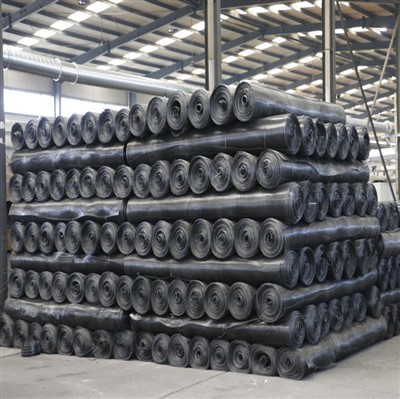

HDPE Uniaxial Geogrid | Soil Reinforcement Manufacturer
HDPE Uniaxial Geogrid is manufactured using high-density polyethylene through a controlled extrusion and stretching process, forming a strong molecular orientation structure in one direction. This gives the material exceptional tensile performance and long-term structural stability under sustained loads.
It is widely used in civil engineering projects requiring reinforced soil systems where load distribution, deformation control, and creep resistance are critical design parameters.
Key Engineering Properties
High Tensile Strength
Directional molecular structure provides superior uniaxial load resistance.
Creep Resistance
Maintains long-term stability under constant stress in soil reinforcement systems.
Environmental Durability
UV stabilized and chemically resistant for harsh outdoor engineering conditions.
Technical Specification
| Item | CE121 | CE131 | CE151 | DN1 | HF10 |
|---|---|---|---|---|---|
| Unit Area Mass (g/m²) | 730±35 | 630±30 | 550±25 | 750±35 | 1240±60 |
| Thickness (mm) | - | - | - | ≥6.0 | ≥5.0 |
| Mesh Size (mm) | (8±1)×(6±1) | (27±2)×(27±2) | (74±5)×(74±5) | (10±1)×(10±1) | (10±1)×(6±1) |
| Tensile Yield Strength (kN/m) | ≥6.2 | ≥5.8 | ≥5.0 | ≥6.0 | ≥18 |
| Width Tolerance (m) | +0.060 | ||||
| Length Tolerance (m) | +10 | ||||
| Carbon Black Content (%) | ≥1 |
Engineering Applications
✔ Retaining wall reinforcement systems
✔ Highway and railway subgrade stabilization
✔ Slope protection and embankment reinforcement
✔ Mining and landfill engineering projects
✔ Coastal and riverbank stabilization systems
Engineering Performance Value
HDPE Uniaxial Geogrid improves soil structure stability by enhancing tensile load distribution and reducing lateral deformation. Compared to traditional reinforcement materials, it significantly improves long-term performance reliability while reducing maintenance cost.
Its high modulus and low creep behavior make it suitable for permanent civil engineering infrastructure.
FAQ
What is HDPE Uniaxial Geogrid used for?
It is used in retaining walls, slopes, embankments, and soil stabilization engineering systems.
What is the service life?
Typically more than 50 years under proper soil and environmental conditions.
Can it be customized?
Yes, including tensile strength, roll width, and aperture size based on project requirements
HDPE Uniaxial Geogrid Engineering Support & Technical Consultation
As a structural reinforcement system, HDPE Uniaxial Geogrid performance is directly influenced by soil conditions, load transfer mechanism, embankment height, and long-term creep behavior. Our engineering team provides application-based selection guidance to ensure structural stability, durability, and optimized project cost.
Soil Reinforcement Analysis
Evaluate slope stability, lateral confinement efficiency, and bearing capacity improvement for roadbeds, retaining structures, and embankments.
Grade & Strength Selection
Recommend optimal tensile strength (kN/m), junction efficiency, and creep resistance based on design load and service life requirements.
Installation Engineering Guidance
Provide reinforcement layout design, anchoring recommendations, and field installation optimization to ensure system integrity.
Engineering Reference Parameters
| Material | High-Density Polyethylene (HDPE) |
| Tensile Strength | 30 – 200 kN/m (model dependent) |
| Elongation | ≤ 13% |
| Long-Term Performance | Designed for long-term structural stability under sustained load conditions |
For engineering validation, material selection, or project-specific reinforcement design, our technical team can provide application-oriented recommendations based on your soil and load conditions.
Hot Tags: hdpe unaixial geogrid, China hdpe unaixial geogrid manufacturers, suppliers, factory, composite geogrid, geo grid fabric, geogrid erosion control, uniaxial geogrid