
Practical Sediment Management for Dredging Projects in Malaysia
Dredging projects in Malaysia often involve water-saturated sediment, fine suspended particles and limited space for temporary material storage. Removing the sediment is only part of the job. Contractors must also manage the water mixed with the dredged material, control sediment discharge and prepare the retained solids for handling and disposal.
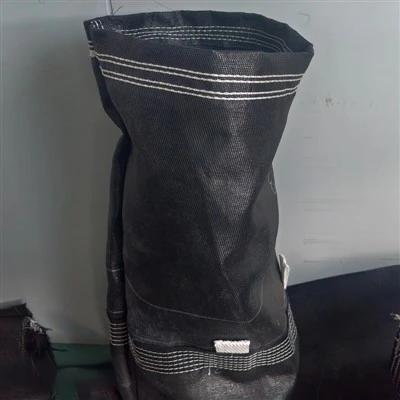
Our sediment bags provide a geotextile filtration solution for separating water from dredged sediment on site. The bag retains solid particles while allowing water to drain through the permeable fabric. With the appropriate fabric specification, bag dimensions and site drainage arrangement, the system can support dredging operations in rivers, drainage channels, ponds, reservoirs and other sediment-removal projects.
Malaysia Project Focus: Dredging and Sediment Dewatering
Malaysia's river and water-management projects provide a practical context for sediment containment and dewatering solutions. For example, the Melaka River remediation project has used geotextile dewatering containers at two locations to process dredged contaminated sediments. The documented setup included a geomembrane liner, geotextile protection layer and granular drainage blanket beneath the dewatering containers.
This type of arrangement demonstrates why sediment filtration must be planned as a complete site operation rather than simply supplying a bag. The receiving area, drainage path, sediment characteristics and final disposal requirements all affect the system's performance.
For our Malaysia project applications, we assess the following requirements before recommending a sediment bag configuration:
Sediment characteristics: Particle size, organic content, solids concentration and the presence of contaminants.
Dredging and pumping conditions: Slurry volume, solids loading, pump discharge and filling intervals.
Filtration requirements: Fabric opening size, water permeability and the need for preliminary filtration or polymer-assisted treatment.
Site conditions: Available working area, ground stability, drainage collection and exposure to heavy rainfall.
Post-dewatering handling: Access for excavators, sediment removal, transport and approved disposal arrangements.


How the Sediment Bag Works on Site
1. Prepare the Dewatering Area
Select a stable area with sufficient capacity for the expected sediment load. Where necessary, install an impermeable liner, protective geotextile and drainage layer. Provide a controlled route for collecting filtrate instead of allowing uncontrolled discharge into nearby waterways.
2. Position and Secure the Sediment Bag
Place the bag on the prepared surface and check its seams, inlet connection and support conditions. The bag size and placement must suit the expected fill volume and the available working area.
3. Pump Dredged Slurry into the Bag
Transfer the dredged sediment and water mixture into the bag at a controlled rate. For fine or cohesive sediment, conduct a representative filtration or dewatering test to determine whether polymer treatment is necessary and to establish a suitable dosage.
4. Allow Water to Drain Through the Fabric
As slurry enters the bag, water passes through the permeable geotextile while the fabric retains sediment particles. Monitor the filling level, drainage rate, seams and surrounding ground conditions throughout the operation.
5. Collect and Inspect the Filtrate
Collect discharged water through the designated drainage system. Assess its turbidity and other relevant water-quality indicators against the project's requirements before discharge or reuse. Filtration through a sediment bag alone does not guarantee that dissolved contaminants or all fine particles have been removed.
6. Consolidate and Remove the Retained Sediment
Allow sufficient time for drainage and consolidation before handling the retained solids. Once the material reaches a suitable condition, remove or manage it according to the project's handling plan and applicable disposal requirements.
Site Challenges and Our Engineering Considerations
Challenge 1: Fine sediment passes through the fabric
Fine particles may remain suspended in the slurry and escape through unsuitable filter media.
Our approach: Review the sediment grading and conduct filtration trials where necessary. Select an appropriate fabric opening size and water permeability, and evaluate polymer-assisted treatment when natural settling and filtration are insufficient.
Challenge 2: Heavy rainfall increases the water load
Malaysia's tropical rainfall can introduce additional runoff into an exposed dewatering area, potentially overloading drainage arrangements.
Our approach: Plan surface-water diversion, maintain adequate drainage capacity and provide sufficient working space around the bags. The dewatering area should be inspected after heavy rainfall.
Challenge 3: Water accumulates around the bag
Poor ground preparation or blocked drainage can slow dewatering and create standing water around the installation.
Our approach: Establish a suitable drainage gradient, provide a stable support layer and keep the filtrate collection channels clear. Check whether the receiving ground and drainage system can accommodate the expected flow.
Challenge 4: The retained sediment remains too wet for removal
High initial water content, fine particles and cohesive sediment can extend the consolidation period.
Our approach: Control the filling rate, allow staged filling where appropriate and evaluate the sediment's behavior through site trials. Determine the removal schedule from actual drainage and handling conditions rather than assuming a fixed dewatering time.
Sediment Bag Specifications for Project-Based Supply
We can evaluate the following factors when preparing a sediment bag solution for a dredging or dewatering project:
Geotextile material and fabric strength
Filtration opening size and water permeability
Bag dimensions and required capacity
Inlet design and connection requirements
Seam strength and fabrication details
Drainage arrangement and installation method
Sediment properties and expected filling conditions
The final specification should be selected according to project requirements and verified material data. No single bag configuration is suitable for every sediment type or dredging volume.
Discuss Your Malaysia Dredging Project
Whether you are removing accumulated sediment from a river, clearing a drainage channel, restoring reservoir capacity or managing pond sludge, the right sediment bag configuration begins with the actual site conditions.
Share your project location, sediment type, estimated slurry volume, available installation area and any filtration requirements. Our team can review these details and help identify a suitable sediment bag specification for your dewatering operation.
Contact us to discuss your sediment bag requirements and project-specific supply options.
Hot Tags: sediment bag for dredging and dewatering in malaysia, China sediment bag for dredging and dewatering in malaysia manufacturers, suppliers, factory