

BESS Energy Storage Stations: Geogrid and Geocell Solutions for Foundation Stabilization and Slope Protection
As the global energy transition accelerates, Battery Energy Storage Systems (BESS) have become a critical component of renewable energy infrastructure. Utility-scale energy storage projects are being deployed alongside solar farms, wind farms, substations, and microgrids worldwide. However, the rapid expansion of BESS facilities has also introduced significant civil engineering challenges, particularly in areas with soft soils, reclaimed land, hilly terrain, and large-scale earthworks.
To ensure long-term structural stability and environmental compliance, engineers increasingly rely on geogrids and geocells as cost-effective ground improvement and slope protection solutions. The combination of geogrid-reinforced foundations and geocell slope stabilization has become a standard design approach for modern BESS construction projects.
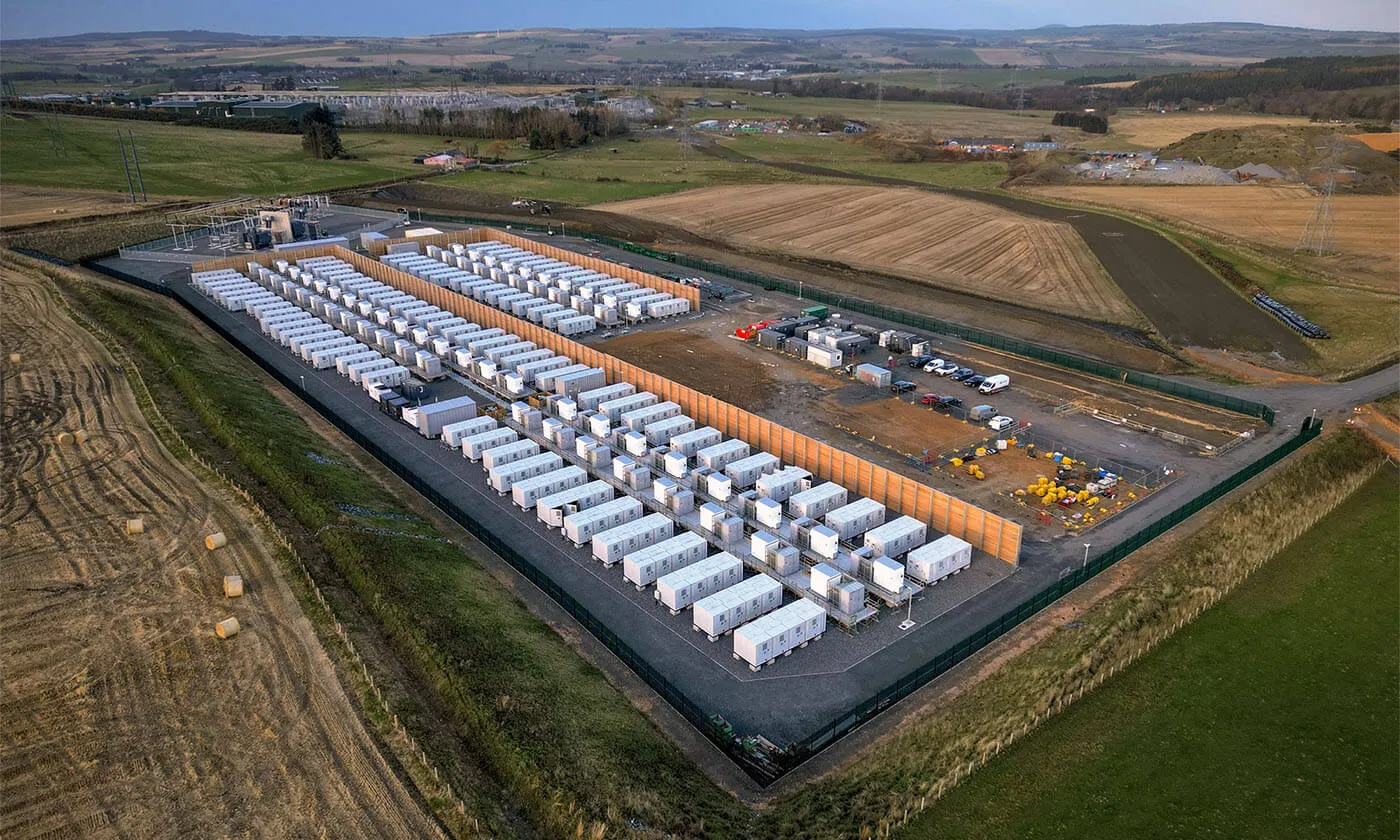
Why BESS Projects Require Ground Reinforcement and Slope Protection
A typical containerized battery storage unit can weigh between 25 and 45 tons. Large energy storage facilities may contain dozens or even hundreds of battery containers arranged across extensive sites. These heavy concentrated loads create several engineering concerns:
Foundation Settlement
Many BESS sites are developed on reclaimed land, soft clay, fill material, or low-bearing-capacity soils. Without reinforcement, differential settlement can occur, leading to:
Cracking of concrete foundations
Misalignment of battery containers
Cable trench displacement
Structural stress on electrical equipment
Increased maintenance costs
Slope Erosion and Instability
Site grading often creates cut-and-fill slopes ranging from 2 to 8 meters in height. Heavy rainfall can cause:
Surface erosion
Slope failure
Sediment accumulation in drainage systems
Water infiltration near battery foundations
Environmental compliance issues
Access Road Deterioration
Heavy trucks, cranes, emergency vehicles, and maintenance equipment repeatedly travel through the facility. Unreinforced roads may develop:
Rutting
Surface deformation
Mud accumulation
Increased repair requirements
To address these challenges, geogrids and geocells provide an integrated solution that improves foundation performance while protecting slopes and drainage infrastructure.
Geogrid Applications in BESS Foundation Reinforcement
1. Battery Container Foundations
The most important application of geogrids in energy storage projects is beneath battery container foundations.
A typical foundation structure consists of:
Compacted subgrade
Geotextile separation layer
One or more layers of geogrid
Crushed stone base course
Concrete pad or footing
Benefits
Geogrids distribute concentrated container loads across a wider area, reducing settlement and improving bearing capacity.
For soft soil conditions:
Steel-plastic geogrids with tensile strengths of 80–150 kN/m are commonly used.
Long-term creep resistance minimizes deformation under continuous loading.
For moderate soil conditions:
PP uniaxial geogrids with strengths of 50–80 kN/m often provide sufficient reinforcement.
Many projects report settlement reductions exceeding 40% compared to unreinforced foundations.
2. Transformer and PCS Equipment Bases
Power Conversion Systems (PCS), transformers, and substations generate substantial point loads.
Installing biaxial geogrids beneath equipment foundations helps:
Reduce differential settlement
Prevent foundation cracking
Improve load distribution across fill transitions
Enhance long-term operational reliability
3. Internal Roads and Fire Access Routes
BESS facilities require permanent roads capable of supporting heavy transport vehicles and emergency equipment.
Geogrid-reinforced road sections offer:
Improved load distribution
Reduced aggregate thickness requirements
Lower construction costs
Enhanced resistance to rutting and deformation
Many utility-scale energy storage projects in North America and Europe use geogrid-reinforced access roads as a standard design practice.
4. Large-Scale Site Fill Reinforcement
Sites requiring significant earthwork often contain fill depths of 1.5 to 4 meters.
By placing geogrids between fill layers during construction, engineers can:
Control lateral soil movement
Improve embankment stability
Reduce long-term settlement
Enhance overall site performance
This approach is especially beneficial for mountainous renewable energy projects where storage facilities accompany wind and solar installations.
Geocell Applications for BESS Slope Protection
1. Permanent Cut and Fill Slopes
Geocells provide one of the most effective solutions for stabilizing energy storage site slopes.
Installation Process
Slope grading and preparation
Geocell expansion and anchoring
Filling cells with topsoil or engineered fill
Seeding with vegetation
The three-dimensional honeycomb structure confines soil and significantly improves resistance to erosion.
Advantages
Compared with concrete slope protection systems:
Lower construction costs
Faster installation
Improved aesthetics
Better environmental performance
Enhanced vegetation growth
Geocell systems help projects meet environmental restoration and erosion control requirements while maintaining long-term slope stability.
2. Drainage Channels and Spillways
Stormwater management is critical for energy storage facilities.
Geocells can reinforce:
Drainage ditches
Diversion channels
Spillways
Slope toe drains
Filled with aggregate, geocells prevent scour and channel erosion during heavy rainfall events.
3. Maintenance Roads and Service Paths
Geocells filled with crushed stone create durable permeable access routes between battery arrays.
Benefits include:
Reduced mud formation
Improved drainage
Faster construction
Lower material consumption
This solution is increasingly common in distributed energy storage facilities.
4. Temporary Soil Stockpiles
During construction, temporary earth stockpiles often require stabilization to satisfy environmental regulations.
Geocell-reinforced slopes help:
Minimize sediment runoff
Reduce erosion
Improve vegetation establishment
Support regulatory compliance
Recommended Geocell Specifications for Energy Storage Projects
Standard Slopes
HDPE Geocell
Sheet thickness: 1.2–1.5 mm
Cell height: 200–250 mm
Steep Slopes and Coastal Projects
For slopes steeper than 45 degrees or areas exposed to intense rainfall:
HDPE thickness: 1.8–2.0 mm
Weld strength ≥1200 N
UV-resistant formulation
Long-term durability in coastal and tropical environments
These specifications are widely used in Southeast Asia, Australia, and other regions with challenging climatic conditions.
Integrated Geogrid and Geocell Solutions for BESS Projects
The most effective approach combines both technologies.
Foundation + Slope Protection
Geogrids reinforce battery foundations and roadways.
Geocells stabilize surrounding slopes and drainage systems.
Soft Ground Improvement
Multiple geogrid layers reduce settlement.
Geocells protect exposed earthworks from erosion.
Complete Site Optimization
The combined system improves:
Structural stability
Construction efficiency
Environmental compliance
Lifecycle cost performance
For EPC contractors and renewable energy developers, integrated geogrid and geocell solutions often provide the most economical long-term outcome.
Global BESS Project Applications of Geogrids and Geocells
As utility-scale battery energy storage systems continue expanding worldwide, geogrid and geocell solutions have been successfully applied in numerous energy storage, renewable energy, and power infrastructure projects.
Case Study 1: Utility-Scale BESS Project in South China
Project Overview
Project Type: Grid-Side Battery Energy Storage Station
Capacity: 50MW
Site Conditions: Reclaimed fill area with soft subgrade
Main Challenge: Differential settlement of battery container foundations and erosion of newly constructed embankment slopes
Solution
The project adopted a comprehensive geosynthetic reinforcement system:
Steel-plastic geogrids installed beneath battery container foundations
Biaxial geogrids used in internal service roads
HDPE geocells applied on fill slopes for erosion control and vegetation establishment
Results
Significant reduction in foundation settlement
Improved bearing capacity of soft ground
Successful vegetation restoration on embankment slopes
Compliance with local environmental and soil conservation requirements
Case Study 2: Wind-Solar-Storage Hybrid Project in Northern China
Project Overview
Project Type: Renewable Energy Hybrid Facility
Capacity: 70MW / 140MWh Energy Storage System
Terrain: Mountainous area with extensive cut-and-fill earthworks
Solution
Multiple layers of geogrids were incorporated within engineered fill zones to improve slope stability and reduce settlement.
Geocell slope protection systems were installed on newly formed embankments and access road shoulders.
Results
Improved fill embankment stability
Reduced long-term maintenance requirements
Enhanced vegetation growth and erosion resistance
Stable operation under seasonal rainfall conditions
Case Study 3: Tropical Climate BESS Facility in Philippines
Project Overview
Project Type: Utility-Scale Battery Energy Storage Project
Climate: Tropical monsoon region
Challenge: Heavy rainfall and severe surface erosion risks
Solution
The EPC contractor selected:
Geogrid-reinforced foundation platforms for battery containers
HDPE geocell slope stabilization system
Aggregate-filled geocells for drainage channels
Results
Excellent erosion resistance during heavy rainfall events
Stable slope performance
Improved stormwater management
Reduced maintenance costs over the project lifecycle
Case Study 4: Large Independent Energy Storage Project in Texas, USA
Project Overview
Project Type: Standalone Grid-Scale Energy Storage Facility
Site Area: Large flat site with expansive clay soils
Engineering Challenges
Heavy battery container loads
Expansive soil movement
Repeated heavy truck traffic
Solution
The project utilized:
High-strength geogrids beneath access roads and equipment foundations
Reinforced aggregate base layers
Geocell systems for drainage and erosion control
Results
Reduced aggregate consumption
Improved road durability
Lower maintenance requirements
Enhanced long-term foundation performance
Case Study 5: Utility Battery Storage Development in Queensland, Australia
Project Overview
Project Type: Renewable Energy Storage Hub
Environmental Conditions:
High UV exposure
Seasonal heavy rainfall
Coastal salt-air environment
Solution
UV-stabilized HDPE geocells were installed on site embankments, while geogrids reinforced foundation pads and internal haul roads.
Results
Long-term UV durability
Effective erosion control
Improved load distribution
Reduced lifecycle maintenance costs
Conclusion
As utility-scale battery energy storage projects continue to expand worldwide, proper ground stabilization and slope protection become essential for safe and reliable operation. Geogrids effectively reduce settlement beneath battery containers, transformers, and access roads, while geocells provide durable erosion control and ecological slope protection.
Together, these geosynthetic solutions help developers improve site performance, reduce maintenance costs, meet environmental requirements, and extend the service life of critical BESS infrastructure.
FAQ
1. Why are geogrids used beneath BESS battery container foundations?
Geogrids distribute heavy loads from battery containers over a larger area, improving bearing capacity and reducing differential settlement that could damage foundations and equipment.
2. What type of geogrid is recommended for soft soil energy storage sites?
Steel-plastic geogrids with tensile strengths ranging from 80 to 150 kN/m are commonly recommended due to their high load-bearing capacity and long-term creep resistance.
3. How do geocells protect slopes around energy storage facilities?
Geocells create a three-dimensional confinement system that stabilizes soil, reduces erosion, promotes vegetation growth, and improves resistance to rainfall-induced slope failure.
4. Can geocells be used in BESS drainage channels?
Yes. Geocells filled with aggregate are widely used to reinforce drainage ditches, spillways, and stormwater channels, preventing erosion and maintaining drainage performance.
5. What are the benefits of combining geogrids and geocells in a BESS project?
The combination addresses both foundation stabilization and slope protection, reducing settlement, controlling erosion, improving environmental compliance, and lowering overall project lifecycle costs.


