

What Is a Geogrid?
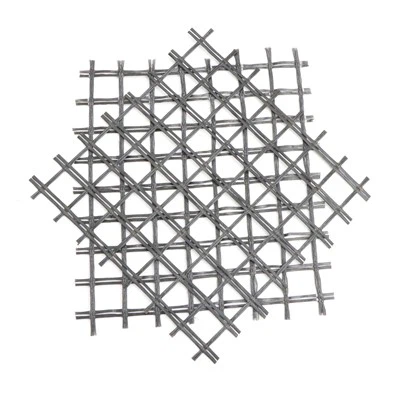
Geogrids are geosynthetic materials manufactured from polymer compounds such as polypropylene (PP), polyethylene (HDPE), or polyester through extrusion, stretching, or molding processes. They form a grid-like structure designed to reinforce soil by improving load distribution and enhancing shear resistance.
Depending on material and manufacturing methods, geogrids can be classified into:
- Plastic geogrids (PP or HDPE)
- Steel-plastic composite geogrids
- Fiberglass geogrids
- Polyester geogrids
These materials are widely used in infrastructure projects, including highways, railways, bridge abutments, embankments, ports, dams, and landfill engineering. Their primary functions include soft soil stabilization, retaining wall reinforcement, and pavement crack prevention.


Key Requirements Before Geogrid Installation
Before installation, proper site preparation is essential to ensure long-term performance:
The subgrade must be leveled, compacted, and free of sharp objects
Fill materials should meet engineering specifications
Granular soils such as sand and gravel are preferred due to their stable mechanical properties
Drainage and filtration systems should be included when necessary
Geotextiles may be used to improve separation and filtration performance
Eight Essential Steps for Geogrid Installation in Road Construction
Subgrade Preparation
Accurate positioning of the roadbed slope line is the first step. To ensure adequate width, each side should be widened by approximately 0.5 meters. The subgrade soil must be leveled and compacted using heavy vibratory rollers (e.g., 25-ton static rolling followed by 50-ton vibration compaction). Uneven areas should be manually adjusted.
Sand Cushion Layer Installation
A 0.3-meter-thick layer of medium to coarse sand is placed and leveled. Mechanical and manual methods are combined to ensure uniform distribution. The layer is then compacted with a vibratory roller to form a stable base.
First Layer of Geogrid Placement
The first geogrid layer is installed on a flat and compacted surface. Key requirements include:
The geogrid must be laid flat and tensioned
No folding, overlapping, or distortion is allowed
Adjacent sections should overlap by at least 0.2 meters
Connections are secured using steel wire at 1-meter intervals
U-shaped pins are used every 1.5–2 meters for anchoring
Second Sand Layer Placement
After installing the first geogrid layer, a second sand layer (approximately 0.2 meters thick) is added.
Important precautions:
Fill material should be placed from both sides toward the center
Machinery must not operate directly on exposed geogrids
The surface must be leveled and checked for thickness consistency
Compaction is carried out using a 25-ton roller
Second Geogrid Layer Installation
The second layer of geogrid is installed using the same method as the first. After installation, another 0.3-meter sand layer is added and compacted. This completes the primary subgrade reinforcement.
Third Layer and Earthwork Construction
A third sand or gravel layer is compacted, followed by slope reinforcement. Geogrids are installed along both sides of the slope, overlapping by 0.16 meters. Proper alignment ensures the geogrid is embedded within the slope after trimming.
Slope Reinforcement with Geogrids
For slope protection, geogrids are installed every two layers of fill (approximately 0.8 meters thickness). This process continues until reaching the road shoulder level, significantly improving slope stability and erosion resistance.
Final Finishing and Protection
After completing the subgrade, slope trimming is carried out. Additional protection, such as dry stone masonry at the slope toe, may be applied. A settlement allowance of approximately 1.5% is typically reserved to accommodate long-term deformation.
Why Geogrids Are Critical in Modern Road Engineering
Geogrids provide several engineering benefits:
Improve load distribution and reduce settlement
Enhance soil shear strength
Increase bearing capacity of weak soils
Extend pavement lifespan
Reduce construction and maintenance costs
Because of these advantages, geogrids have become a standard solution in modern infrastructure development worldwide.
Recommended Geogrid Supplier for Global Projects
For contractors and engineering companies seeking reliable geosynthetic materials, Hangzhou Weiwo Geosynthetic Materials Co., Ltd is a competitive and trusted partner in the global market.
The company specializes in the manufacturing and supply of:
- Biaxial geogrids for road base stabilization
- HDPE uniaxial geogrids for retaining structures
- Polyester geogrids for high-strength reinforcement
- Fiberglass geogrids for asphalt applications
With advanced production facilities, strict quality control systems, and compliance with international standards such as ISO and ASTM, Weiwo delivers consistent and high-performance products for infrastructure projects.
In addition, the company offers:
Customizable specifications based on project requirements
OEM and private label services
Technical support for engineering applications
Efficient delivery for bulk orders
These capabilities make Hangzhou Weiwo Geosynthetic Materials Co., Ltd a preferred choice for overseas buyers looking for a balance between quality, performance, and cost efficiency.
Conclusion
Proper installation of geogrids is essential to achieving optimal performance in road subgrade construction. By following standardized procedures-from subgrade preparation to final finishing-engineers can significantly improve the durability and stability of infrastructure projects.
At the same time, choosing a reliable supplier plays a crucial role in project success. Partnering with experienced manufacturers ensures not only product quality but also technical support and long-term value.


