

China is the world's largest producer of geosynthetic materials, including biaxial geogrids used for soil stabilization and road reinforcement. Selecting a reliable manufacturer is essential for infrastructure projects.
This guide introduces 10 reliable biaxial geogrid manufacturers in China, focusing on production factories that mainly serve domestic infrastructure projects rather than export markets.
• Product: Biaxial Plastic Geogrid
• Material: Polypropylene (PP)
• Application: Road base reinforcement, subgrade stabilization, soil reinforcement
• Market: Infrastructure engineering projects
What is Biaxial Geogrid?
Biaxial geogrid is a geosynthetic reinforcement material produced by extruding polypropylene sheets and stretching them in both directions to form a grid structure. It improves soil bearing capacity and load distribution performance.
Improves pavement load capacity and structural stability.
Grid apertures lock with aggregates for reinforcement.
Resistant to chemical corrosion and environmental aging.
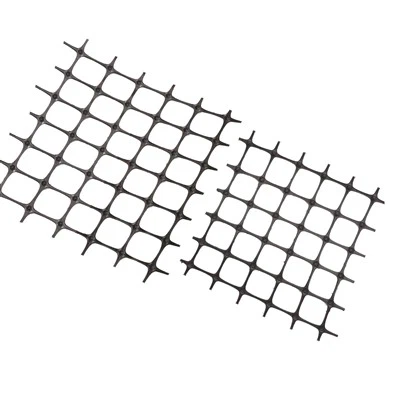


Top 10 Biaxial Geogrid Manufacturers in China (2026 Guide)
| Rank | Manufacturer | Location | Main Products | Market Focus |
|---|---|---|---|---|
| 1 |
Hangzhou Weiwo Geosynthetic Materials Co.,Ltd |
Hangzhou | Biaxial Geogrid, Fiberglass Geogrid, Uniaxial Geogrid, Geocell | International infrastructure and engineering projects |
| 2 | New Geo-Material | Dezhou, Shandong | Geogrid, Geomembrane, Geotextile | Domestic infrastructure and water conservancy projects |
| 3 | Taian Modern | Taian, Shandong | Biaxial Geogrid, Uniaxial Geogrid | Road construction and municipal engineering in China |
| 4 | Taian Road | Taian, Shandong | Plastic Geogrid, Steel Plastic Geogrid | Domestic transportation infrastructure projects |
| 5 | Shandong Yijia | Shandong | Biaxial Geogrid, Geocell, Geomembrane | Soil reinforcement and civil engineering projects in China |
| 6 | Zhongshui Geosynthetics | Jiangsu | Geogrid, Geotextile | Water conservancy and municipal engineering market |
| 7 | Yingfan Engineering | Shanghai | HDPE Geogrid, Geomembrane, Geotextile | Environmental and foundation engineering projects |
| 8 | Hengquan Geogrid | Hebei | Plastic Geogrid, Fiberglass Geogrid | Domestic reinforcement materials market |
| 9 | Shandong Road | Shandong | Biaxial Geogrid, Steel Plastic Geogrid | Transportation infrastructure projects in China |
| 10 | Ruiheng Building | Shandong | Plastic Geogrid, Geotextile | Local civil engineering and construction projects |
Frequently Asked Questions
Where is biaxial geogrid used?
Biaxial geogrid is widely used in civil engineering and infrastructure construction to improve soil stability, distribute loads, and extend the service life of pavements and foundations. Its grid structure interlocks with aggregates, creating a reinforced layer that increases bearing capacity and reduces deformation.
1. Road Base Reinforcement
Biaxial geogrid is commonly installed within the base or sub-base layer of roads and highways. It improves load distribution, reduces rutting, and increases the lifespan of asphalt or concrete pavements, especially in areas with weak subgrade soils.
2. Railway Subgrade Stabilization
In railway construction, biaxial geogrids are used to reinforce the ballast layer and stabilize the subgrade. They help maintain track alignment, minimize settlement, and improve load transfer from railway traffic.
3. Parking Areas and Industrial Yards
Heavy-duty areas such as container yards, parking lots, and logistics centers often use biaxial geogrids to strengthen the base layer. The reinforcement helps prevent surface deformation caused by repeated vehicle loading.
4. Airport Pavements and Runways
Airports require extremely stable pavement structures. Biaxial geogrids are used to reinforce runway foundations and taxiways, improving load-bearing capacity and reducing long-term settlement.
5. Embankments and Soft Soil Foundations
When constructing embankments on weak soils, biaxial geogrids provide lateral confinement to aggregates and enhance overall structural stability. This helps control settlement and improves the safety of earth structures.
6. Temporary Access Roads and Construction Platforms
During construction projects, biaxial geogrids are often used to build temporary access roads or working platforms. They stabilize the ground surface and allow heavy construction equipment to operate safely on soft or unstable soils.
What is the typical strength of biaxial geogrid?
What material is biaxial geogrid made from?
Biaxial geogrid is primarily made from high-quality polypropylene (PP) or occasionally high-density polyethylene (HDPE). The material is extruded, punched, and stretched in both directions to form a grid, providing high tensile strength, chemical resistance, and long-term durability for soil reinforcement and pavement applications.
Looking for a Reliable Biaxial Geogrid Supplier?
Weowo provides high-performance biaxial geogrids designed for infrastructure reinforcement and soil stabilization projects.
Visit Our Website


