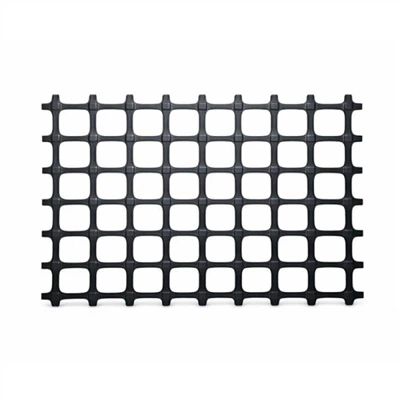

When it comes to using geogrids, safety is a crucial aspect that cannot be overlooked. As a geogrids supplier, I have witnessed firsthand the importance of understanding and addressing safety considerations in various applications. In this blog, we will explore the key safety factors associated with the use of geogrids and how to ensure a secure and reliable installation.
Material Quality and Integrity
The quality of geogrids is the foundation of safety. High - quality geogrids are designed to withstand the stresses and loads they will encounter in different engineering projects. Our company offers a range of geogrids, such as the Polyester Uniaxial Geogrid, which is made from high - strength polyester materials. These materials are carefully selected and processed to ensure they have the necessary tensile strength, durability, and resistance to environmental factors.
Before using geogrids, it is essential to inspect the material for any signs of damage, such as tears, holes, or weak spots. Damaged geogrids may not perform as expected and can pose a safety risk. For example, if a geogrid is used to reinforce a slope and it has a tear, it may not be able to effectively distribute the load, leading to slope instability.
Installation Safety
Proper installation is critical for the safe use of geogrids. Incorrect installation can not only reduce the effectiveness of the geogrid but also create safety hazards. Here are some important installation safety considerations:
Site Preparation
The site where the geogrid will be installed must be properly prepared. This includes clearing the area of any debris, rocks, or sharp objects that could damage the geogrid. The ground should be leveled and compacted to provide a stable base. Uneven ground can cause the geogrid to be under uneven stress, which may lead to premature failure.
Overlap and Connection
When installing multiple geogrid panels, proper overlap and connection are necessary. The overlap should be sufficient to ensure that the geogrid can transfer loads effectively. For example, in the case of Uniaxial Geogrids For Civil Engineering, the recommended overlap may vary depending on the specific application and the manufacturer's instructions. Connections between geogrid panels should be secure to prevent separation during use.
Anchoring
Geogrids need to be properly anchored to the ground to prevent movement. Anchoring methods can include using stakes, nails, or other mechanical fasteners. The type and number of anchors should be determined based on the design requirements and the soil conditions. In areas with high - wind or seismic activity, additional anchoring may be required to ensure the stability of the geogrid.
Environmental Considerations
Geogrids are often exposed to various environmental conditions, and these conditions can affect their safety and performance.
Chemical Resistance
Geogrids may come into contact with chemicals in the soil or water, such as acids, alkalis, or salts. It is important to choose geogrids that have good chemical resistance. For example, our PP Plastic Biaxial Geogrid is made from polypropylene, which has excellent chemical resistance and can withstand a wide range of chemical environments.
UV Resistance
Exposure to ultraviolet (UV) radiation can cause the degradation of geogrids over time. UV - resistant geogrids are available, and it is advisable to use them in applications where the geogrid will be exposed to sunlight for extended periods. This helps to maintain the strength and integrity of the geogrid and reduces the risk of failure.
Temperature Effects
Extreme temperatures can also affect the performance of geogrids. In cold temperatures, the material may become brittle, while in hot temperatures, it may expand or lose some of its strength. When selecting geogrids, it is important to consider the temperature range of the application and choose a material that can withstand these conditions.
Load and Stress Analysis
Understanding the loads and stresses that the geogrid will be subjected to is essential for safety. Geogrids are used in a variety of applications, such as road construction, slope reinforcement, and retaining walls. Each application has different load requirements.
Static Loads
Static loads, such as the weight of soil, structures, or vehicles, need to be carefully calculated. The geogrid should be designed to handle these static loads without failure. For example, in a road construction project, the geogrid needs to support the weight of the traffic and the overlying pavement layers.
Dynamic Loads
Dynamic loads, such as vibrations from traffic or seismic activity, also need to be considered. These loads can cause additional stress on the geogrid and may require special design considerations. For example, in areas prone to earthquakes, the geogrid should be designed to withstand the dynamic forces generated during seismic events.
Maintenance and Monitoring
Once the geogrid is installed, regular maintenance and monitoring are necessary to ensure its continued safety.
Visual Inspections
Regular visual inspections should be carried out to check for any signs of damage, such as cracks, tears, or displacement. If any issues are detected, they should be addressed promptly to prevent further damage.
Performance Monitoring
In some cases, it may be necessary to monitor the performance of the geogrid over time. This can include measuring the strain, displacement, or other parameters to ensure that the geogrid is functioning as expected. If the performance of the geogrid deviates from the design specifications, appropriate measures should be taken.
Conclusion
In conclusion, there are several important safety considerations when using geogrids. From material quality and installation to environmental factors and load analysis, each aspect plays a crucial role in ensuring the safe and effective use of geogrids. As a geogrids supplier, we are committed to providing high - quality products and technical support to help our customers address these safety concerns.
If you are interested in purchasing geogrids for your project, we invite you to contact us for a detailed discussion. Our team of experts can provide you with the right geogrid solutions based on your specific requirements and help you ensure the safety and success of your project.