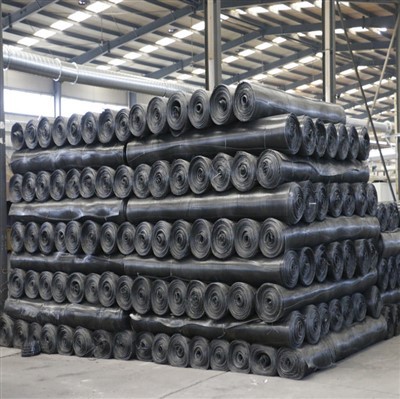
Choosing the right geogrid for a project can be a tricky task. As a geogrids supplier, I've seen firsthand how the wrong choice can lead to all sorts of problems down the line. In this blog, I'll share some tips on how to pick the perfect geogrid for your project.
Understanding Geogrids
First off, let's talk about what geogrids are. Geogrids are like a sort of net or mesh made from different materials. They're used in civil engineering projects to strengthen soil, stabilize slopes, and support structures. They work by interlocking with the soil, which helps distribute loads more evenly and prevents soil movement.
There are different types of geogrids, and each has its own unique properties and uses. The main types include biaxial, triaxial, and polyester warp knitted geogrids.
Factors to Consider When Choosing a Geogrid
Project Requirements
The first thing you need to think about is what your project actually needs. Are you building a road, a retaining wall, or stabilizing a slope? Different projects have different requirements. For example, if you're working on a road project, you'll need a geogrid that can handle heavy traffic loads. If it's a slope stabilization project, you'll need a geogrid that can prevent soil erosion and sliding.
Soil Conditions
The type of soil at your project site is also crucial. Some soils are more stable than others. For instance, sandy soils are loose and tend to shift, while clay soils can be sticky and expand or contract with changes in moisture. You need to choose a geogrid that can work well with the specific soil conditions. A geogrid that works great in sandy soil might not be as effective in clay soil.
Strength and Durability
Strength is a key factor. You need a geogrid that can withstand the forces it will be subjected to. This includes both the weight of the structure or load on top of it and any natural forces like wind or water. Durability is also important. You don't want a geogrid that will break down quickly. Consider the environmental conditions at the project site, such as exposure to sunlight, chemicals, or extreme temperatures.
Cost
Let's face it, cost is always a consideration. You want to get the best value for your money. However, don't just go for the cheapest option. A low - cost geogrid might end up costing you more in the long run if it doesn't perform well. Look for a balance between cost and quality.
Types of Geogrids and Their Uses
PP Biaxial Geogrid
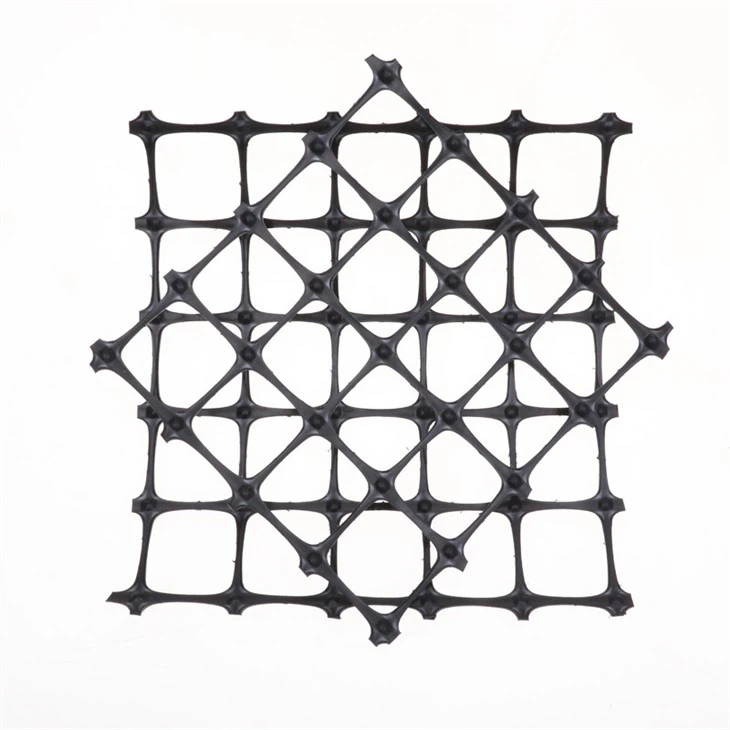
The PP Biaxial Geogrid is a popular choice for many projects. It has strength in both the machine and cross - machine directions. This makes it great for applications like road construction, where it can help distribute loads evenly and reduce rutting. It's also useful for soil stabilization in large areas, such as embankments.
Triaxial Grid
The Triaxial Grid is designed with a unique triangular structure. This gives it excellent load - distribution capabilities. It's often used in projects where high - strength reinforcement is needed, like in the construction of large - scale retaining walls or in areas with poor soil conditions. The triangular shape helps to interlock with the soil more effectively, providing better stability.

Polyester Warp Knitted Geogrid
The Polyester Warp Knitted Geogrid is known for its high tensile strength and low creep properties. It's ideal for projects where long - term stability is required, such as in slope stabilization. It can also be used in reinforcement of soft soils and in the construction of landfills.
Installation and Maintenance
Once you've chosen the right geogrid, proper installation is key. Make sure to follow the manufacturer's instructions carefully. Incorrect installation can lead to reduced performance and even failure of the geogrid.
Maintenance is also important. Regularly inspect the geogrid to check for any signs of damage or wear. If you notice any issues, address them promptly to ensure the continued effectiveness of the geogrid.
Making the Final Decision
After considering all the factors above, you should be able to make an informed decision about which geogrid is right for your project. Don't be afraid to ask for advice from experts or consult with your geogrid supplier. We're here to help you choose the best product for your specific needs.
If you're in the process of planning a project and need to select a geogrid, I'd love to have a chat with you. As a geogrid supplier, I have the knowledge and experience to guide you through the selection process. Whether you need a PP Biaxial Geogrid, a Triaxial Grid, or a Polyester Warp Knitted Geogrid, we can provide you with high - quality products and excellent service. Reach out to us to start discussing your project requirements.