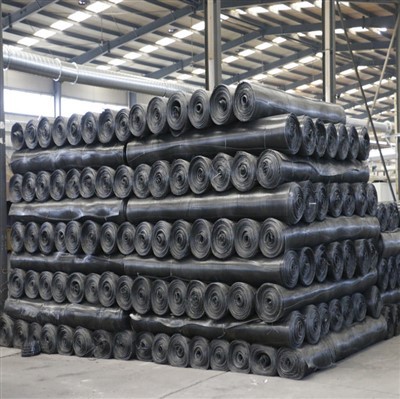
As a supplier dedicated to bringing high-performance ground stabilization solutions to construction and civil engineering teams across the globe, I’ve spent the last decade watching biaxial geogrid evolve from a niche, underutilized component to a cornerstone of resilient infrastructure projects. Over the years, I’ve answered hundreds of questions from contractors, engineers, and project managers asking: What comes next for this versatile material? With climate change redefining what construction projects need to survive, and technology pushing material science into new spaces, the future of biaxial geogrid isn’t just about making stronger grids—it’s about making smarter, more adaptable, and more sustainable solutions that address the unique challenges of 21st-century building.
Let’s start with a basic recap for anyone new to the space, because biaxial geogrid works by creating a tension network within soil, aggregate, or base layers to distribute loads evenly, reducing settlement, preventing erosion, and extending the life of everything from roadways to retaining walls. If you’re working on a project that needs to stabilize gravel layers, our range of products like Geo Grids For Gravel have already helped thousands of teams cut material costs by up to 30% while boosting structural integrity. But the trends shaping the future of this industry go far beyond standard product lines—they’re rooted in three core shifts: material innovation, integration with digital technology, and alignment with global sustainability goals.
The first, and most transformative, trend is the next generation of base materials for biaxial geogrid. For years, polypropylene has been the workhorse of the industry, prized for its low cost, chemical resistance, and flexibility. But as project demands grow—from high-traffic highways that carry 80,000+ pound loads to coastal infrastructure exposed to saltwater and extreme UV radiation—engineers are asking for materials that push beyond the limits of traditional polypropylene. That’s why we’ve invested heavily in developing our Biaxial Polypropylene Geogrid line, which uses modified polymer blends that add 25% higher tensile strength while retaining the same durability in harsh environments. But the future isn’t just about improving existing plastics—it’s about alternative materials that reduce environmental impact.
One of the most exciting developments we’re testing right now is bio-based polymer biaxial geogrid, made from recycled agricultural waste and plant-derived resins instead of virgin fossil fuels. Early field trials on rural road projects in the American Midwest showed that these bio-based grids perform just as well as traditional polypropylene in medium-load applications, with a 40% lower carbon footprint. The challenge right now is scaling production to meet global demand without driving up costs, but industry analysts at the International Geosynthetics Society (IGS) project that bio-based biaxial geogrid will capture 18% of the market by 2035. Another material innovation is high-tensile steel-plastic composites, which combine the strength of steel with the corrosion resistance of plastic. Our High-Tensile Steel Plastic Geogrid 30-120kN line is already being used on heavy-duty mining roads and bridge abutments, and we’re upgrading these composites to be lighter and more flexible, making them easier to transport and install on remote sites.
The second big trend is the integration of biaxial geogrid with digital construction technology, a shift that’s turning passive ground stabilization into active, data-driven systems. For most of the last century, geogrid was a “set it and forget it” component—engineers would calculate load requirements, specify a grid, and install it, with little way to monitor its performance over time. That’s changing fast with the rise of smart geogrid, which has embedded sensors that track soil moisture, load pressure, and grid tension in real time. Imagine a highway that can send alerts to maintenance teams when a geogrid section is underperforming due to heavy rain or overloaded trucks, or a retaining wall that uses sensor data to adjust its design as soil conditions change. We’re currently partnering with a civil engineering firm on a smart geogrid project for a coastal levee in Louisiana, where the sensors will help predict erosion and prevent failure before it happens.
This integration with digital tech is also streamlining the design and installation process. In the past, engineers would spend weeks running manual calculations to select the right biaxial geogrid for a project, often erring on the side of over-specifying to avoid failure. Now, cloud-based design tools that use real-world project data and finite element analysis can match a project’s exact needs to the optimal grid, cutting design time by 60% and reducing material waste. For example, a small rural road project that would have once required a high-strength, high-cost grid might now use a medium-strength biaxial geogrid paired with smart sensors to deliver the same performance at a lower cost. This shift is not only making projects more efficient—it’s also expanding access to high-quality ground stabilization for smaller contractors and communities that previously couldn’t afford over-engineered solutions.
The third trend, and the most urgent given the global push for net-zero infrastructure, is the alignment of biaxial geogrid with circular economy principles. Construction is responsible for 39% of global carbon emissions, according to the United Nations Environment Programme, and ground stabilization materials are a big part of that footprint—especially base layers, which often require large amounts of virgin aggregate. Biaxial geogrid solves a lot of that problem by reducing the amount of aggregate needed, but the next step is making geogrid itself recyclable and reusable. Right now, most plastic geogrid is not easily recyclable because it’s mixed with other polymers and installed in soil, making it hard to recover. But we’re working on a take-back program for post-project geogrid, where we collect used grids from completed sites, clean them, and reprocess them into new biaxial geogrid products. Early trials showed that reprocessed geogrid has 90% of the strength of virgin material, with a 75% lower carbon footprint.
Another part of this circular shift is the expansion of biaxial geogrid into erosion control, a critical need as extreme weather events like hurricanes, wildfires, and heavy rain become more frequent. Our Erosion Control Geogrid line is already used on slope stabilization, post-wildfire terrain rehabilitation, and coastal shoreline projects, and we’re developing biodegradable erosion control grids that break down naturally after three to five years, once the native plants are established. This addresses a big pain point in erosion control: traditional plastic geogrid can leave behind waste after vegetation takes root, especially in remote areas where recovery and disposal are difficult. As part of our sustainability goals, we’re also offering product lines that are certified to third-party environmental standards, like the Global Recycling Standard (GRS) and the Biodegradable Products Institute (BPI), to help contractors meet their project’s environmental requirements.
Of course, none of these trends would matter without addressing the practical challenges that come with adopting new biaxial geogrid technologies. For example, many small and medium-sized contractors are still skeptical of bio-based or smart geogrid because of perceived higher upfront costs, even though these products offer long-term savings. That’s why we’re focusing on education and flexible pricing models, like rental options for smart geogrid sensors and bulk discounts for recycled material lines, to make new technologies accessible to teams of all sizes. We’re also working with industry groups and educational institutions to update certification standards and training programs, so installers and engineers have the skills to work with the next generation of geogrid.
Another challenge is ensuring that new geogrid products perform consistently across different climates and soil types. A bio-based geogrid that works well in the Midwest’s temperate soil might not hold up in the extreme cold of Alaska or the high heat of the Arabian Peninsula. That’s why we run rigorous field testing in 12 different regions around the world, from desert road projects in Arizona to polar research stations in Greenland, to refine our products and ensure they meet local performance requirements. This local testing is also key to developing erosion control geogrid that works for specific terrain, like steep mountain slopes or sandy coastal soils, rather than a one-size-fits-all solution.
Looking ahead 10 years, I expect biaxial geogrid to be even more integrated into every part of infrastructure, from residential driveways to high-speed rail lines. We’ll see fully circular geogrid systems where every product is designed to be recycled or reused, smart geogrid that connects to broader city infrastructure networks to monitor ground stability for entire districts, and bio-based composites that are indistinguishable from traditional materials in performance, but leave a tiny fraction of the environmental footprint. For contractors and engineers, this means more options, better performance, and the ability to deliver projects that are not only built to last, but also contribute to a more sustainable future.
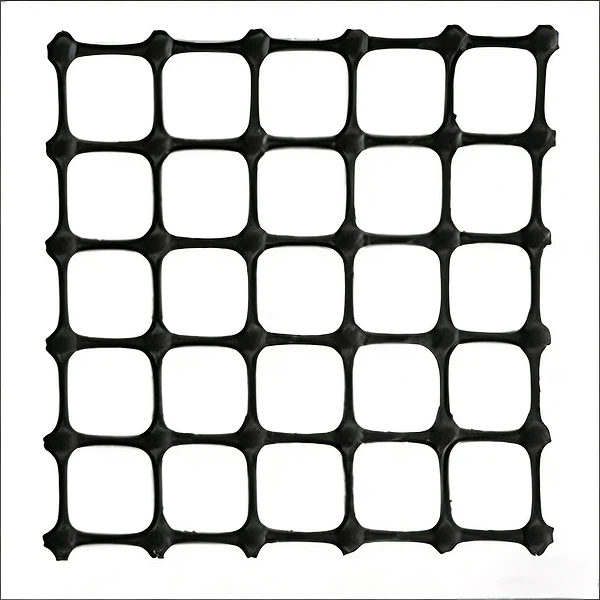

At our company, we’re not just watching these trends unfold—we’re building products that lead the way. Whether you’re working on a small residential project that needs reliable gravel stabilization or a large-scale highway project that requires high-tensile strength, our range of biaxial geogrid solutions, from our proven Geo Grids For Gravel line to our custom-engineered smart geogrid systems, is designed to meet today’s needs and tomorrow’s challenges. If you’re working on a project and want to learn how biaxial geogrid can improve your design, reduce costs, or meet your sustainability goals, we’d love to connect with you to discuss tailored solutions.
References
International Geosynthetics Society. (2024). Global Market Trends for Geogrids: 2024–2035. IGS Technical Report Series.
United Nations Environment Programme. (2023). 2023 Global Status Report for Buildings and Construction. UNEP.
American Association of State Highway and Transportation Officials. (2022). Standard Specifications for Geosynthetic Materials. AASHTO.
Journal of Geotechnical and Geoenvironmental Engineering. (2023). "Performance of Bio-Based Geogrids for Road Base Stabilization." Vol. 149, No. 8.