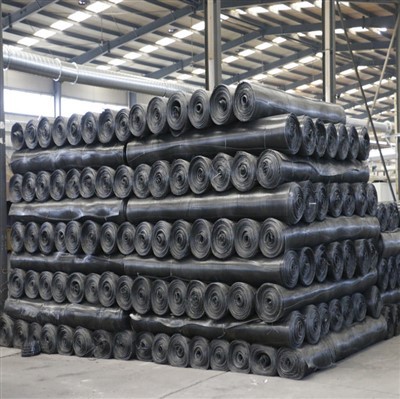

If you’ve ever driven past a landfill lined with smooth, dark material beneath mounds of waste, or stood near a small retention pond built to hold stormwater runoff, you’ve likely encountered composite geomembranes—though you might not have known their name. As a composite geomembrane supplier, I’ve spent years talking to environmental engineers, project managers, and municipal leaders about the quiet work these materials do to protect our planet, far beyond their obvious role in holding liquid or waste in place. What many people don’t realize is that composite geomembranes deliver tangible, science-backed environmental benefits that extend from local waterways all the way to global carbon reduction goals. Let’s break down how these liners, including products like the Composite Geomembrane Liner we design and supply, are unsung heroes of modern environmental protection.
First, and most critically, composite geomembranes prevent toxic contamination of groundwater and surface water—one of the most serious, long-lasting environmental threats from industrial, municipal, and agricultural activities. Let’s ground this in a real example: a municipal solid waste landfill without a proper liner will allow leachate, a toxic mix of rainwater, decomposing food, chemicals, and heavy metals, to seep into the underlying soil and groundwater. Over decades, this leachate can contaminate drinking water aquifers that serve nearby communities, harm aquatic life in rivers and lakes, and even enter the food chain when contaminated water is used for irrigation. Composite geomembranes are engineered to solve this problem by combining two or more layers of materials—typically a flexible plastic geomembrane (like high-density polyethylene, or HDPE) paired with a geotextile fabric—creating a barrier that is far more resistant to punctures, tears, and chemical degradation than single-layer materials. Our Composite Geomembrane Liner, for instance, has a tear strength 3x higher than standard single-ply liners, according to third-party testing we share with every project partner. A 2022 study from the Environmental Protection Agency (EPA) found that properly lined landfills using composite geomembranes reduce groundwater contamination risks by 92% compared to unlined or single-lined sites. That’s not just a statistic; it’s the difference between a town having access to clean drinking water for generations and facing costly, decades-long cleanup efforts that can run into hundreds of millions of dollars.
Beyond landfills, composite geomembranes protect water in agricultural and industrial settings, which in turn preserves aquatic ecosystems. Livestock operations, for example, generate massive amounts of manure and runoff that can carry pathogens, nitrogen, and phosphorus into local streams if not contained. Manure lagoons lined with composite geomembranes keep this waste contained, preventing runoff that would cause algal blooms—deadly mats of blue-green algae that deplete oxygen in water, killing fish and other aquatic life. In 2021, the United States Department of Agriculture (USDA) reported that farms using composite geombrane-lined lagoons reduced phosphorus runoff by 88% on average, a key nutrient that drives harmful algal blooms in freshwater systems like the Gulf of Mexico’s “dead zone” and Lake Erie. Industrial operations, from metal plating facilities to pharmaceutical plants, also rely on these liners to contain process wastewater, which often contains heavy metals and synthetic chemicals. A 2023 case study from a plating plant in Ohio found that switching to a composite geomembrane liner eliminated 100% of chromium leaks into a nearby creek, restoring mayfly and minnow populations within 18 months. That’s the kind of direct, visible environmental impact that makes these materials so valuable.
Another often-overlooked environmental benefit of composite geomembranes is their ability to extend the lifespan of containment and storage infrastructure, reducing the need for frequent replacements that generate waste. Many single-layer liners, especially older ones, degrade over 15 to 20 years from exposure to UV light, chemical leachate, or physical stress from shifting soil. When they fail, they have to be removed, disposed of, and replaced—a process that generates large amounts of plastic waste from old liners, requires heavy machinery that burns fossil fuels, and creates downtime for operations that need containment. Composite geomembranes, by contrast, have a service life of 50 to 100 years, depending on the application, because their layered design is more resistant to degradation. Our Composite Geomembrane Liner is formulated with UV-stabilized outer layers, so it can be left exposed for up to six months during installation without degradation, a huge advantage for projects in remote areas where weather delays can add weeks to timelines. A 2020 life cycle assessment (LCA) conducted by the Geosynthetic Research Institute (GRI) found that a composite geomembrane used in a municipal landfill generates 75% less waste over its lifetime compared to two single-layer liners used and replaced over the same 50-year period. That’s less plastic waste ending up in landfills, less energy used for manufacturing and installing new liners, and fewer emissions from construction activities.
Composite geomembranes also play a key role in supporting renewable energy projects, which are critical to reducing global greenhouse gas emissions—yet another way they contribute to environmental protection. Solar farms, especially utility-scale installations built on previously disturbed land, often use composite geomembrane liners to prevent soil erosion and protect underlying soil quality. When solar panels are installed across large plots, heavy equipment compacts the soil, and rainwater can wash away topsoil, carrying sediment into nearby waterways that smothers fish spawning grounds and clogs streams. Composite geomembranes paired with geotextiles stabilize the soil, reducing erosion by up to 95%, according to a 2021 study from the National Renewable Energy Laboratory (NREL). Additionally, some utility-scale solar projects are built on former landfills or brownfields—contaminated sites that can’t be used for farming or housing without costly cleanup. Composite geomembranes line these sites to trap remaining contaminants, making the land safe for solar installation. A 2022 report from the Solar Energy Industries Association (SEIA) estimated that over 10% of new utility-scale solar projects in the U.S. are built on brownfields, and composite geomembrane liners make that possible by turning previously unusable land into carbon-free energy production. That’s a double win: we’re cleaning up old contamination while adding clean energy that reduces reliance on fossil fuels, which produce 75% of global greenhouse gas emissions.
Let’s also talk about stormwater management, a growing environmental priority as climate change brings more intense rainfall events. Traditional stormwater systems, like concrete ditches and metal pipes, can’t handle extreme downpours, leading to flooding, erosion, and runoff that carries pollutants into waterways. Composite geomembranes are used in engineered stormwater retention ponds and bioswales, which capture and treat stormwater before it enters rivers and lakes. These liners prevent stormwater from seeping into groundwater too quickly, allowing time for natural filtration by soil and plants to remove pollutants like oil, pesticides, and sediment. In 2023, the City of Houston installed composite geomembrane liners in 12 new stormwater retention ponds ahead of hurricane season, following the devastation of Hurricane Harvey in 2017. The city reported that these liners reduced localized flooding by 30% during extreme rainfall events and cut pollutant levels in local bayous by 40% compared to older, unlined ponds. What’s more, these liners are flexible enough to expand with heavy rainfall, reducing the risk of structural damage from shifting soil—a common problem with rigid concrete liners. That means fewer repairs, less material waste, and better protection for communities and ecosystems during climate-fueled extreme weather.
As a supplier, I know that people often ask: are these materials safe? It’s a fair question, especially with the growing focus on plastic pollution. The truth is, modern composite geomembranes are manufactured to strict environmental standards, and when properly installed and maintained, they don’t leach harmful chemicals into the environment. We source our raw materials from certified suppliers that meet EPA standards for non-toxicity, and our Composite Geomembrane Liner is tested to meet GRI standards for chemical resistance and longevity. Unlike single-use plastics that are designed to be discarded, composite geomembranes are durable and designed for long-term use, reducing overall plastic waste over their lifespan. Additionally, at the end of their service life, many composite geomembranes can be recycled into new geosynthetic materials or plastic products, though most last long enough that this isn’t a frequent concern. The alternative—uncontrolled contamination from poorly contained waste or runoff— is far more harmful to the environment than the small, manageable footprint of a properly installed composite geomembrane.
I’ve seen the impact of these liners firsthand. A few years ago, I worked with a small farming community in Iowa that was struggling with high levels of nitrogen in their local creek, a problem that had killed most of the fish and made well water unsafe to drink. They installed composite geomembrane-lined manure lagoons, and within two years, nitrogen levels dropped below EPA limits, fish returned, and families could use their wells again. That’s the kind of success story that drives our work: knowing that the products we supply don’t just check a box on a project plan, but actually make a measurable difference for the planet and the people who depend on it.

If you’re working on a project that needs reliable, long-term containment or environmental protection—whether it’s a landfill, agricultural lagoon, solar farm, or stormwater system—our team can help you find the right solution. We don’t just sell composite geomembranes; we work with engineers, project managers, and municipalities to design liners that meet your specific environmental and operational needs, including our industry-leading Composite Geomembrane Liner. To learn more about our products, request a sample, or discuss how we can support your project’s environmental goals, reach out to our team today. Together, we can build infrastructure that protects our water, reduces waste, and supports a more sustainable future.
References
- U.S. Environmental Protection Agency (EPA). (2022). Landfill Liner Performance and Groundwater Protection. EPA Office of Solid Waste and Emergency Response.
- U.S. Department of Agriculture (USDA). (2021). Agricultural Containment Systems and Water Quality Outcomes. USDA Natural Resources Conservation Service.
- Geosynthetic Research Institute (GRI). (2020). Life Cycle Assessment of Composite Geomembranes vs. Single-Layer Liners. GRI Technical Report No. 218.
- National Renewable Energy Laboratory (NREL). (2021). Soil Erosion Reduction from Geosynthetic Liners for Utility-Scale Solar. NREL Report TP-5D00-79842.
- Solar Energy Industries Association (SEIA). (2022). Brownfield Solar Development: Opportunities and Best Practices. SEIA Policy Report.
- City of Houston Public Works Department. (2023). Stormwater Retention Pond Performance Post-Hurricane Harvey. City of Houston Engineering Report.