
Are there any standards for geogrids?
As a geogrids supplier, I often encounter questions from clients about the standards of geogrids. Standards play a crucial role in the geogrids industry, as they ensure product quality, performance, and safety. In this blog post, I will explore the various standards that govern geogrids and their significance in the market.


International and National Standards
Geogrids are subject to a range of international and national standards that define their properties, testing methods, and installation requirements. One of the most widely recognized international standards for geogrids is the ISO 10318 series. These standards cover aspects such as physical properties, mechanical properties, and measurement methods for geosynthetics, including geogrids. ISO 10318 provides a common framework for manufacturers, suppliers, and users to ensure the quality and comparability of geogrid products across different regions.
At the national level, many countries have their own standards for geogrids. For example, in the United States, the ASTM (American Society for Testing and Materials) has developed a comprehensive set of standards for geosynthetics, including ASTM D6637 for geogrids. These standards specify the requirements for materials, dimensions, strength, and durability of geogrids and are widely used in the design and construction of geotechnical projects.
Key Standards Parameters
Several key parameters are typically defined in geogrid standards. One of the most important is the tensile strength, which measures the ability of the geogrid to resist pulling forces. Tensile strength is usually expressed in units of force per unit width (e.g., kN/m). Standards specify minimum tensile strength values for different types of geogrids, depending on their intended applications.
Another critical parameter is the aperture size of the geogrid. The aperture size affects the interaction between the geogrid and the soil or aggregate. It determines how well the geogrid can interlock with the surrounding materials and provide reinforcement. Standards often define acceptable ranges for aperture size to ensure optimal performance.
The durability of geogrids is also a significant aspect covered by standards. Geogrids are typically exposed to various environmental conditions, such as sunlight, moisture, and chemicals. Standards may include requirements for resistance to ultraviolet (UV) radiation, oxidation, and chemical attack to ensure that the geogrid maintains its performance over its intended service life.
Types of Geogrids and Their Standards
There are different types of geogrids, each with its own set of standards and applications.
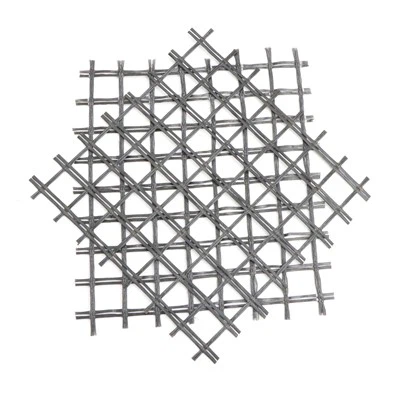
Triaxial Geogrid for Railway Sub - Ballast Stabilisation
Triaxial geogrids are designed to provide three - dimensional reinforcement. They are particularly suitable for railway sub - ballast stabilisation. The standards for triaxial geogrids focus on their high in - plane stiffness and ability to distribute loads effectively. You can find more information about Triaxial Geogrid for Railway Sub - Ballast Stabilisation. These geogrids need to meet specific requirements for tensile strength, junction strength, and aperture stability to ensure the long - term stability of the railway track.
Uniaxial Geogrid For Retaining Wall Construction
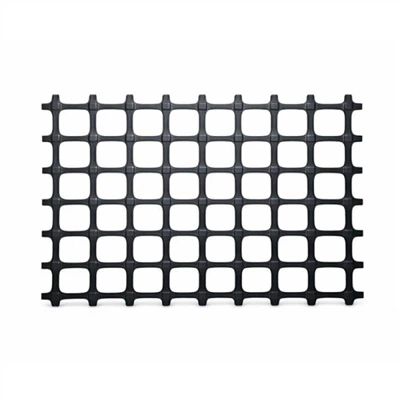
Uniaxial geogrids are primarily used in applications where high tensile strength is required in one direction, such as in retaining wall construction. The standards for uniaxial geogrids emphasize their strength in the primary load - bearing direction. Aspects like junction efficiency and elongation at break are also carefully regulated. For detailed information on Uniaxial Geogrid For Retaining Wall Construction, you can visit the provided link.
Polyester Warp Knitted Geogrid
Polyester warp knitted geogrids are known for their high strength and dimensional stability. Standards for these geogrids consider factors such as the quality of the polyester fibers, the knitting pattern, and the resistance to creep. The Polyester Warp Knitted Geogrid meets specific criteria to ensure its performance in soil reinforcement applications.
Landscape Geogrid
Landscape geogrids are used in landscaping and erosion control projects. The standards for landscape geogrids focus on their flexibility, ease of installation, and ability to prevent soil erosion. They need to have appropriate aperture sizes to allow for vegetation growth while providing sufficient reinforcement. You can learn more about Landscape Geogrid and its standards - compliant features from the link.
Polyester Geogrid For Soil Reinforcement
Polyester geogrids for soil reinforcement are designed to improve the mechanical properties of soil. Standards for these geogrids cover aspects such as their strength - to - weight ratio, chemical resistance, and long - term stability in soil environments. For in - depth details about Polyester Geogrid For Soil Reinforcement, the provided link offers valuable information.
Significance of Standards for Geogrids
Standards are of utmost importance in the geogrids industry. For manufacturers, adhering to standards ensures product quality and consistency. It helps them to produce geogrids that meet the requirements of different applications and gain the trust of customers. By following the standards, manufacturers can also simplify the production process and reduce the risk of product failures.
For suppliers like us, standards provide a basis for product selection and quality control. We can use the standards to evaluate different geogrid products and ensure that we are offering our customers high - quality solutions. Standards also help us to educate our customers about the performance and suitability of various geogrids for their projects.
For end - users, standards offer assurance of product reliability and performance. When using geogrids in construction or engineering projects, they can rely on the standards to select the right product and ensure that the project is safe and durable. Standards also facilitate communication between different parties involved in a project, such as designers, contractors, and regulatory authorities.
Contact for Procurement
If you are looking for high - quality geogrids that meet all the relevant standards, we are here to help. Our team of experts can provide you with detailed information about our products, their applications, and how they comply with the standards. Whether you need geogrids for railway projects, retaining wall construction, or soil reinforcement, we have the right solution for you. Please feel free to reach out to us for more information and to start a procurement discussion.
References
- ISO 10318 series - International Organization for Standardization
- ASTM D6637 - American Society for Testing and Materials