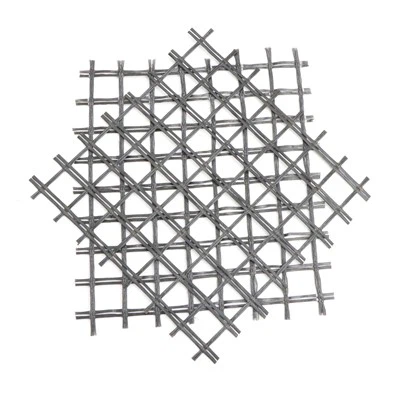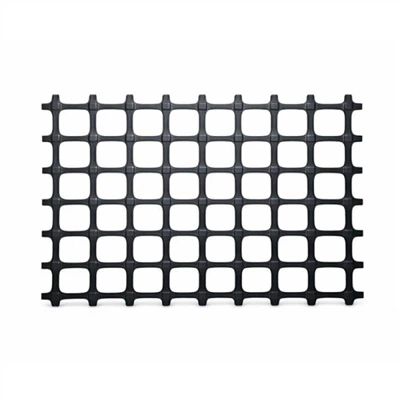

Fiberglass geogrids are essential materials in civil engineering, offering reinforcement and stabilization for various applications, including roads, railways, and embankments. As a leading fiberglass geogrids supplier, we understand the significance of proper storage to maintain the quality and performance of these products. In this blog post, we will explore the best practices for storing fiberglass geogrids to ensure their longevity and effectiveness.
Understanding Fiberglass Geogrids
Before delving into storage methods, it's crucial to understand the properties of fiberglass geogrids. These geogrids are made from high - strength glass fibers coated with a polymer to enhance their resistance to environmental factors. They are characterized by high tensile strength, low creep, and excellent chemical resistance. However, improper storage can compromise these properties, leading to reduced performance and shorter service life.
There are different types of fiberglass geogrids available for various applications. For example, the Glass Fiber Geogrid is a versatile option suitable for general reinforcement tasks. The Fiberglass Geogrid For Highway Overlay is specifically designed to improve the overlay performance of highways, while the Fiberglass Geogrid For Crack Prevention helps in reducing crack propagation in pavements. High - strength applications might require the High Tensile Fiberglass Geogrid, and for municipal roads, the Fiberglass Geogrid For Municipal Roads is an ideal choice.
Key Considerations for Storage
Moisture Control
Moisture can have a detrimental effect on fiberglass geogrids. When exposed to high humidity or direct water contact, the polymer coating on the fiberglass can degrade, and the glass fibers may start to lose their strength. Therefore, it's vital to store fiberglass geogrids in a dry environment.
A storage facility with a relative humidity level below 60% is recommended. If the storage area is prone to high humidity, dehumidifiers can be installed to maintain the appropriate moisture level. Additionally, the geogrids should be stored off the ground on pallets to prevent contact with moisture that may seep through the floor.
Temperature Regulation
Extreme temperatures can also impact the performance of fiberglass geogrids. High temperatures can cause the polymer coating to soften or even melt, while low temperatures can make the geogrids brittle. The ideal storage temperature range for fiberglass geogrids is between 5°C and 35°C.
In regions with hot summers or cold winters, temperature - controlled storage facilities are a must. Insulated warehouses or storage containers with heating and cooling systems can help maintain a stable temperature environment.
UV Protection
Ultraviolet (UV) radiation from the sun can cause the polymer coating on fiberglass geogrids to deteriorate. Prolonged exposure to UV rays can lead to discoloration, loss of flexibility, and reduced tensile strength.
Fiberglass geogrids should be stored in a shaded area, away from direct sunlight. If outdoor storage is necessary, the geogrids should be covered with UV - resistant tarpaulins or stored in covered containers.
Storage Methods
Stacking
When stacking fiberglass geogrids, it's important to ensure that the stacks are stable and do not exceed the recommended height. Over - stacking can cause damage to the geogrids at the bottom of the stack due to excessive pressure. A good rule of thumb is to limit the stack height to 1.5 meters.
The geogrids should be stacked flat, with no bending or creasing. If the geogrids are in rolls, they should be placed horizontally to prevent distortion. Additionally, the rolls should be stacked in a way that allows for easy access and inventory management.


Packaging
Proper packaging is crucial for protecting fiberglass geogrids during storage. Most fiberglass geogrids are shipped in plastic - wrapped rolls, which provides an initial layer of protection. However, for long - term storage, additional packaging can be beneficial.
Polyethylene bags can be used to enclose the rolls, providing an extra barrier against moisture and dust. Labeling the packages with important information such as the product type, size, and batch number can also help with inventory control and identification.
Inventory Management
First - in, First - out (FIFO)
Implementing a first - in, first - out inventory management system is essential for storing fiberglass geogrids. This ensures that the oldest stock is used first, reducing the risk of product degradation due to long - term storage.
When receiving new shipments of fiberglass geogrids, they should be placed at the back of the storage area, and the older stock should be moved to the front for easy access. Regular inventory checks should be conducted to monitor the stock levels and the condition of the geogrids.
Inspection
Regular inspections of the stored fiberglass geogrids are necessary to detect any signs of damage or degradation. Inspections should include checking for signs of moisture damage, such as mold or discoloration, as well as physical damage like tears or cuts.
Any damaged or degraded geogrids should be removed from the storage area immediately to prevent cross - contamination with the remaining stock.
Transportation and Handling
Proper transportation and handling also play a role in maintaining the quality of fiberglass geogrids during storage. When transporting the geogrids, they should be secured to prevent movement and damage. The vehicle used for transportation should be clean and dry, and the geogrids should be protected from the elements.
During handling, care should be taken not to drop or drag the geogrids, which can cause physical damage. Forklifts and other handling equipment should be used carefully to avoid puncturing or bending the geogrids.
Conclusion
Proper storage of fiberglass geogrids is essential for maintaining their quality and performance. By controlling moisture, temperature, and UV exposure, using appropriate storage methods, and implementing effective inventory management, you can ensure that your fiberglass geogrids remain in optimal condition until they are ready for use.
As a reliable fiberglass geogrids supplier, we are committed to providing high - quality products and sharing our expertise in their storage and usage. If you are interested in purchasing our fiberglass geogrids or have any questions about their storage or application, please feel free to contact us for further details and procurement discussions.
References
- ASTM Standards related to geosynthetics and fiberglass products.
- Technical literature from leading fiberglass geogrid manufacturers.