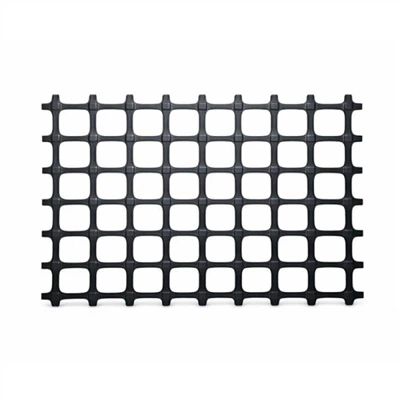

In modern civil engineering, biaxial geogrids have emerged as a crucial material for soil reinforcement, ground stabilization, and various geotechnical applications. Their cross - shaped structure provides excellent mechanical properties, enhancing the performance of soil structures. However, one significant concern in many real - world scenarios is how these biaxial geogrids perform in high - temperature environments. As a biaxial geogrid supplier, I have in - depth knowledge and practical experience regarding this matter.
1. Material Characteristics of Biaxial Geogrids and Temperature Sensitivity
Biaxial geogrids are typically made from different materials such as plastic, polypropylene, and a combination of steel and plastic. Each material has its own unique set of properties and temperature - related behaviors.
-
Plastic Biaxial Geogrids: Biaxial Plastic Geogrid is widely used due to its corrosion resistance, light weight, and relatively low cost. However, plastics are polymers, and their mechanical properties can be significantly affected by temperature. When exposed to high temperatures, plastic geogrids may experience a decrease in stiffness. The molecular chains in the plastic become more mobile at elevated temperatures, leading to a reduction in the grid's ability to resist deformation. For example, in a hot desert environment where temperatures can soar above 50°C, the tensile strength of a typical plastic biaxial geogrid may start to decline gradually over time.
-
Biaxial Polypropylene Geogrids: Biaxial Polypropylene Geogrid is known for its good chemical resistance and high flexibility. Polypropylene has a relatively low melting point compared to some other engineering polymers. In high - temperature conditions, above its glass - transition temperature (which is around 0 - 10°C for polypropylene), the material can become more rubbery. This means that in high - temperature regions, the geogrid may not provide the same level of structural support as it would at more moderate temperatures.
-
Steel - Plastic Biaxial Geogrids: Steel Plastic Geogrids For Retaining Wall And Slope combine the strength of steel with the corrosion resistance of plastic. The steel component provides high tensile strength, while the plastic coating protects the steel from corrosion. In high - temperature environments, the plastic coating may expand, and if the temperature is too high, it could potentially start to degrade. However, the steel core still maintains a relatively stable strength, which gives these geogrids an advantage over pure plastic ones in high - temperature scenarios.
2. Impact of High Temperatures on Mechanical Properties
The mechanical performance of biaxial geogrids is a key aspect in geotechnical applications. High temperatures can have several negative impacts on these properties:
-
Tensile Strength Reduction: As mentioned earlier, the molecular structure of plastic - based geogrids changes at high temperatures, leading to a decrease in tensile strength. Tensile strength is crucial for geogrids as it determines their ability to reinforce soil and resist pulling forces. For example, in a road construction project where the biaxial geogrid is used to stabilize the sub - base, a reduction in tensile strength could result in the geogrid unable to cope with the traffic - induced stresses, leading to premature failure of the road structure.
-
Creep Behavior: Creep is the time - dependent deformation of a material under a constant load. High temperatures accelerate the creep process in biaxial geogrids. When a geogrid is subjected to a load in a high - temperature environment, the polymer chains in the material gradually slide past each other, causing the geogrid to stretch over time. This can lead to a loss of the geogrid's initial reinforcement effect and may compromise the stability of the entire soil structure.
-
Bond with Soil: The bond between the biaxial geogrid and the surrounding soil is essential for effective soil reinforcement. High temperatures can affect this bond in multiple ways. The expansion of the geogrid material due to heat can create gaps between the geogrid and the soil particles, reducing the frictional forces that hold the two together. Additionally, changes in the soil's moisture content due to high temperatures can also impact the bond strength.


3. Performance in Specific High - Temperature Applications
-
Desert Road Construction: In desert regions, the high daytime temperatures can pose significant challenges for biaxial geogrids used in road construction. Biaxial Geogrids For Soil Reinforcement are often used to improve the bearing capacity of the sub - grade. However, the extreme heat can cause the geogrid to lose its stiffness and tensile strength. To mitigate these issues, special high - temperature - resistant geogrids may be required. These geogrids are designed to maintain their mechanical properties at elevated temperatures and can provide reliable reinforcement for the road structure.
-
Industrial Sites: In industrial areas where high - temperature processes are carried out, biaxial geogrids may be used for ground stabilization. For example, in areas near steel mills or smelters, the ground can be subjected to high temperatures from heat radiation. The geogrids need to be able to withstand these elevated temperatures without significant degradation. BX Geogrids For Ground Stabilisation with appropriate heat - resistant properties can be selected for such applications.
4. Strategies to Enhance High - Temperature Performance
As a biaxial geogrid supplier, we offer several strategies to enhance the performance of our geogrids in high - temperature environments:
-
Material Modification: We can modify the polymer formulation of plastic - based geogrids to improve their heat resistance. By adding heat - stabilizers and other additives, the geogrids can better withstand high temperatures without significant loss of mechanical properties.
-
Layering and Composite Design: Combining different types of geogrids or using them in conjunction with other geotechnical materials can enhance the overall performance in high - temperature conditions. For example, using a steel - plastic geogrid as a base layer and overlaying it with a heat - resistant plastic geogrid can provide both high strength and heat - resistance.
-
Proper Installation: Correct installation methods are crucial for the performance of biaxial geogrids in high - temperature environments. Ensuring proper tension during installation and good contact with the soil can help to minimize the negative effects of high temperatures.
5. Guiding Contact for Procurement
If you are involved in a project that requires biaxial geogrids, especially in high - temperature environments, we are here to offer professional solutions. Our team of experts can provide detailed product information, technical support, and assistance in selecting the most suitable geogrid for your specific needs. We understand the challenges that high temperatures can pose and have a range of products designed to address these issues. Whether it's for road construction, slope stabilization, or industrial ground support, we have the right biaxial geogrid for you. Contact us to start a procurement discussion and let us help you achieve a successful project.
References
- Koerner, R. M., & Koerner, G. R. (2012). Designing with Geosynthetics. Pearson.
- Bonaparte, R., & Daniel, D. E. (1987). Geosynthetics in waste containment. Van Nostrand Reinhold.
- Giroud, J. P., & Han, J. (2004). Design and construction of soil - reinforced structures. Taylor & Francis.