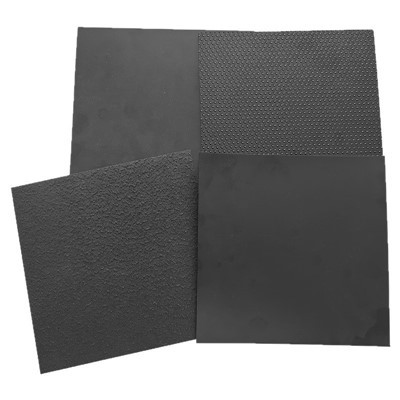
If you’re in the business of supplying PVC geomembranes, you know that even minor damage during transportation can turn a high-quality product into a liability—one that risks project delays, client disputes, and unnecessary replacement costs. As a supplier who’s spent years hauling rolls of these flexible, durable liners to job sites across industries, I’ve learned that preventing damage isn’t just about following rules; it’s about anticipating the unique challenges of PVC geomembrane handling, storage, and transit. From pond liners to landfill liners, and artificial lake projects to tunnel waterproofing, every PVC geomembrane type has specific needs, and cutting corners on transport can derail even the most well-planned projects. Today, I’m breaking down the science-backed strategies I’ve refined over thousands of shipments to keep your PVC geomembranes intact when they reach their final destination.
First, let’s ground this in what makes PVC geomembranes prone to damage in transit. Unlike rigid materials, PVC geomembranes are flexible, often with smooth surfaces that can scratch, tear, or stick to themselves if not handled correctly. They’re also susceptible to stress from improper rolling, sharp contact, or extreme temperatures, which can weaken the material’s structural integrity before it’s even installed. For context, our PVC Pond Liner Geomembrane—designed for water retention in small to mid-sized ponds—has a thin, smooth layer that’s easily scuffed if dragged across concrete or stacked with sharp objects. Similarly, our Flexible PVC Geomembrane For Artificial Lake Project, which often comes in extra-wide rolls to reduce on-site seams, is more prone to stretching and tearing if not secured properly during long-haul trucking.
The first line of defense starts long before the product hits the truck: proper pre-shipment preparation. This is where many suppliers, myself included, used to cut corners early in my career, opting for generic wrapping and packing instead of geomembrane-specific measures. Here’s what we now swear by. First, every roll must be inspected for manufacturing defects (thin spots, air bubbles, or uneven edges) before wrapping—even a small factory flaw can turn into a large tear if agitated during transport. Next, the roll needs to be wrapped in two layers: a durable, puncture-resistant plastic sheeting to block moisture and road debris, and a heavy-duty corrugated cardboard core end cap to cover the circular ends. Those ends are often overlooked, but they’re the most common spot for cuts from pallet edges or metal straps during loading. Last, we never use metal strapping directly on the PVC geomembrane. Instead, we use wide, padded plastic straps that distribute pressure evenly across the roll’s circumference, preventing indentations that can create weak points over time. For our Smooth Flexible PVC Geomembrane Liner, which has a gloss finish that’s prone to scuffing, we add a thin layer of acid-free tissue paper between layers of wrapping to keep the surface pristine—something we learned after a batch of liners arrived with permanent scratches that required full replacement.

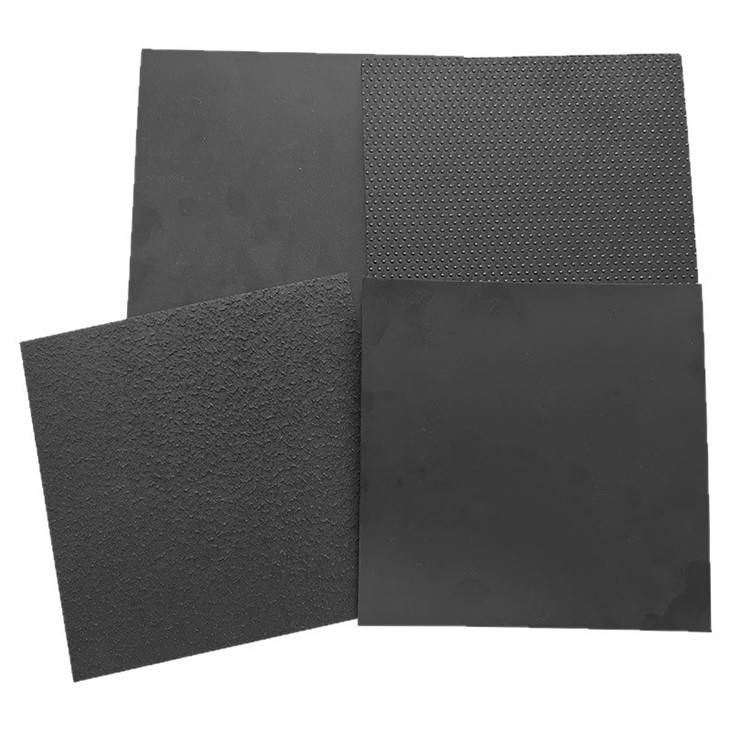
Next, loading and unloading protocols are non-negotiable. PVC geomembrane rolls are heavy—typical 20-foot rolls can weigh 1,500 pounds or more—and lifting them improperly can cause stretching or tearing, not to mention workplace injuries. We no longer use manual lifting for any roll over 500 pounds; instead, we use custom-built roll cradles that fit the core of the geomembrane, allowing us to slide the roll onto the truck bed without tipping or dragging. The key here is to load rolls horizontally, never vertically. Vertical stacking compresses the lower layers of the roll, creating stress points that can cause the PVC to crack when it’s unrolled at the job site. We also leave at least 6 inches of space between the top of the loaded rolls and the truck’s roof, especially for open-bed trucks—road debris kicked up from the tires can fall directly onto the surface of the geomembrane if it’s too close. For enclosed trailers, we line the interior with thick foam padding along the walls and floor; this prevents rolls from shifting during sudden stops, which is a top cause of cuts and abrasions. I once had a client reject a shipment of PVC Geomembranes For Landfill because a roll had shifted and torn against the metal trailer wall during a highway drive; since then, we’ve installed anti-slip rubber mats in all our trailers and added custom tension straps to secure every roll individually, not just grouped together on a pallet.
Temperature management is another critical, often overlooked factor in preventing PVC geomembrane damage during transport. PVC is a thermoplastic, meaning it becomes more flexible in high heat and more brittle in cold temperatures. Extreme heat can cause the material to stretch excessively, leading to permanent warping, while extreme cold can make it stiff and prone to cracking when rolled or unrolled. The optimal transport temperature range for PVC geomembranes is between 40°F and 90°F (4°C and 32°C). In summer, we add reflective insulation blankets to our open-bed trucks and schedule shipments for early morning or late evening to avoid midday heat; for long hauls in 100°F+ weather, we use temperature-controlled enclosed trailers. In winter, especially in northern climates, we wrap rolls in heated insulating material and avoid shipping when temperatures drop below 20°F (-7°C)—any lower, and the PVC becomes so brittle that even a small bump during unloading can cause a tear. We once shipped a batch of tunnel liners in January without temperature controls; when the client unrolled the Waterproof PVC Membrane For Tunnel & Roofing, multiple rolls had cracked along the edges, requiring us to rush a replacement shipment at our own cost. That mistake taught us that temperature isn’t just a minor detail—it’s a core part of transport planning.
During transit, the focus shifts to monitoring and route planning. We work with carriers that have experience transporting flexible construction materials, and we require them to report any significant temperature fluctuations or rough road conditions via our real-time tracking system. For long-haul trips, we avoid backroads with potholes or gravel, which can cause jostling that damages rolls; instead, we prioritize interstates and highways with smooth pavement. We also advise carriers to take breaks every four hours on long journeys to let the truck’s suspension cool slightly, reducing the risk of roll shifting. On the rare occasion that a shipment is delayed, we instruct the carrier to store the rolls in a temperature-controlled facility, not left parked in a sunny lot or cold garage—prolonged exposure to extreme conditions can cause irreversible damage that isn’t visible until installation.
Even after the truck arrives, there’s one final step to prevent damage: proper offloading and temporary storage on the job site. I always tell clients that transport damage starts before the truck leaves our warehouse, but it can also happen if the rolls are stored incorrectly on-site. We include a free storage guide with every shipment that advises clients to keep rolls in a shaded, flat area, off the ground with wooden skids to avoid moisture buildup, and never stacked more than two rolls high. Clients often ask us if they can unroll a small section of the liner to inspect it, and our answer is always yes—but only if the temperature is between 50°F and 80°F. Unrolling PVC in too much heat or cold can cause stretching or cracking that wasn’t present during transport.
Over the years, these strategies have cut our transport damage rate by 85%—a huge win for our business and our clients, who rely on our geomembranes to meet tight project timelines. What I’ve learned is that preventing damage isn’t about overcomplicating the process; it’s about understanding the unique properties of PVC geomembranes and adapting every step—from pre-shipment wrapping to route planning to on-site guidance—to those properties. If you’re a project manager looking for a reliable supplier who prioritizes product integrity, or a fellow industry professional wanting to refine your transport protocols, we’re here to help. We work with clients across sectors, from small pond installations to large-scale landfill and tunnel projects, and we’re always happy to answer questions about our transport and handling best practices.
References
- Global Geosynthetics Society. (2021). Best Practices for Geomembrane Transport, Handling, and Installation. GGS Technical Report Series.
- ASTM International. (2019). Standard Practice for Geomembrane Handling, Transport, and Storage (D7150). ASTM International, West Conshohocken, PA.
- European Geosynthetics Association. (2020). Temperature Effects on PVC Geomembranes During Transit and On-Site Storage. EGA Industry Bulletin.