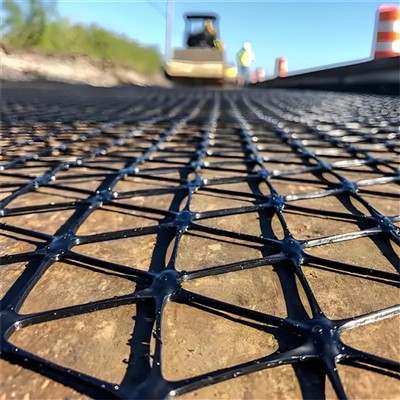

Plastic geocells have emerged as a revolutionary solution in greening projects, offering a wide array of benefits that make them an invaluable asset for environmental restoration and sustainable development. As a plastic geocell supplier, I have witnessed firsthand the transformative impact these innovative products can have on various greening initiatives. In this blog post, I will delve into the numerous advantages of using plastic geocells in greening projects, highlighting their role in soil stabilization, erosion control, vegetation growth, and overall environmental protection.
Soil Stabilization
One of the primary benefits of using plastic geocells in greening projects is their ability to provide effective soil stabilization. Plastic geocells are three-dimensional honeycomb-like structures made from high-density polyethylene (HDPE) or polypropylene (PP). These cells are filled with soil, gravel, or other infill materials, creating a stable and reinforced foundation for vegetation growth. The geocells confine the infill material, preventing it from shifting or eroding, even on steep slopes or in areas with high water flow. This stabilization effect helps to maintain the integrity of the soil, reducing the risk of landslides and soil erosion.
For example, in a recent greening project on a hillside, we installed plastic geocells filled with a mixture of soil and organic matter. The geocells provided a stable base for the vegetation, allowing it to take root and grow even on the steep slope. The confined infill material also helped to prevent soil erosion, protecting the surrounding environment from sediment runoff. As a result, the hillside was successfully transformed into a lush green landscape, enhancing the aesthetic appeal and ecological value of the area.
Erosion Control
Plastic geocells are also highly effective in controlling erosion in greening projects. Erosion is a major problem in many areas, especially in regions with high rainfall or steep terrain. It can lead to the loss of topsoil, which is essential for plant growth, and can also cause sedimentation in rivers and streams, affecting water quality. Plastic geocells help to prevent erosion by providing a physical barrier that holds the soil in place. The cells trap sediment and prevent it from being washed away by water or wind, reducing the amount of sediment that enters water bodies.

In addition to their physical barrier function, plastic geocells also promote the growth of vegetation, which further helps to control erosion. Vegetation acts as a natural filter, trapping sediment and reducing the impact of water runoff. The roots of the plants also help to bind the soil together, making it more resistant to erosion. By combining the stabilizing effect of the geocells with the erosion control properties of vegetation, plastic geocells provide a comprehensive solution for erosion prevention in greening projects.
Vegetation Growth
Another significant benefit of using plastic geocells in greening projects is their ability to promote vegetation growth. The geocells provide a stable and protected environment for plants to grow, allowing them to establish roots and thrive. The confined infill material in the geocells retains moisture and nutrients, providing a favorable growing medium for vegetation. The geocells also help to protect the plants from wind, water, and other environmental factors, reducing the risk of damage and improving the survival rate of the vegetation.
In addition to providing a suitable growing environment, plastic geocells can also be used to create microclimates that are beneficial for plant growth. For example, the geocells can be filled with a mixture of soil and organic matter, which can help to retain moisture and provide nutrients for the plants. The geocells can also be designed to provide shade or shelter for the plants, protecting them from extreme temperatures and sunlight. By creating these microclimates, plastic geocells can help to support the growth of a wide variety of plant species, including native plants and grasses.
Environmental Protection
Plastic geocells are also an environmentally friendly solution for greening projects. They are made from recyclable materials, such as HDPE or PP, which can be reused or recycled at the end of their lifespan. This reduces the amount of waste generated and helps to conserve natural resources. In addition, plastic geocells are durable and long-lasting, which means they require less maintenance and replacement compared to traditional erosion control methods. This reduces the environmental impact of the project and helps to minimize the use of resources.
Furthermore, plastic geocells can help to improve the overall ecological value of the area. By promoting vegetation growth and preventing erosion, they provide habitat for wildlife and help to restore the natural balance of the ecosystem. The vegetation also helps to absorb carbon dioxide and other pollutants from the atmosphere, improving air quality and reducing the impact of climate change.
Cost-Effectiveness
In addition to their environmental benefits, plastic geocells are also a cost-effective solution for greening projects. They are relatively inexpensive compared to traditional erosion control methods, such as retaining walls or riprap. The installation process is also quick and easy, which reduces labor costs and project timelines. In addition, plastic geocells require less maintenance and replacement compared to traditional methods, which further reduces costs over the long term.
Conclusion
In conclusion, plastic geocells offer a wide range of benefits for greening projects. They provide effective soil stabilization, erosion control, and vegetation growth, while also promoting environmental protection and cost-effectiveness. As a plastic geocell supplier, I am committed to providing high-quality products and services to help our customers achieve their greening goals. If you are interested in learning more about the benefits of using plastic geocells in your greening project, or if you would like to discuss your specific needs and requirements, please do not hesitate to contact us. We look forward to working with you to create a sustainable and beautiful green landscape.
If you want to explore our PP Plastic Geocell, you can click the link for more detailed information.
References
- ASTM D6637/D6637M - 18 Standard Specification for Geocells Made from High - Density Polyethylene (HDPE).
- Koerner, R. M. (2012). Designing with Geosynthetics. Pearson Prentice Hall.
- Greenway, D. R., & Schneider, D. W. (1994). Biotechnical slope protection and erosion control. Wiley.