
Hey there! As a geotextiles supplier, I often get asked if geotextiles are suitable for use in cold regions. Well, let's dive right into it and explore this topic in detail.
First off, what are geotextiles anyway? Geotextiles are synthetic materials that are used in a variety of civil engineering applications. They can be made from different polymers like polypropylene or polyester and come in various forms such as woven, non - woven, and knitted. These materials are super useful because they can perform functions like separation, filtration, drainage, reinforcement, and protection.
Now, when it comes to cold regions, there are some unique challenges. The most obvious one is the cold temperature. Low temperatures can make materials brittle. If a geotextile becomes too brittle, it may crack or break under stress. This is a big concern, especially in applications where the geotextile needs to withstand mechanical forces, like in road construction or slope stabilization.
However, modern geotextiles are designed to handle a wide range of temperatures. Many of the high - quality geotextiles we supply are engineered to remain flexible even in cold conditions. For example, our Short Fiber Needle Punched Geotextile is made with special polymers that have good low - temperature performance. This type of geotextile can maintain its integrity and functionality even when the mercury drops.
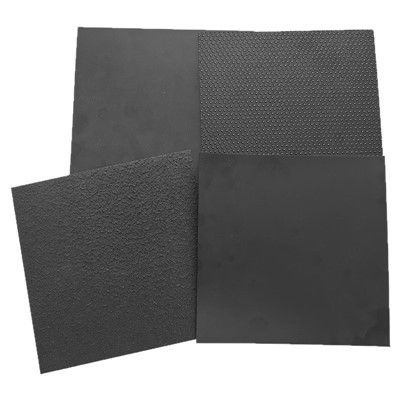
Another issue in cold regions is the presence of ice and snow. Ice can form on the surface of the geotextile, which might affect its filtration and drainage properties. But don't worry! Our geotextiles are designed with proper pore sizes and structures. They are able to prevent ice from clogging the pores and still allow water to pass through. This is crucial for applications like landfill capping, where proper drainage is essential to prevent the build - up of water and potential environmental hazards. Check out our Geosynthetic Materials For A Capping And Landfill for more details on how our products can handle these situations.
The freeze - thaw cycle is also a major factor in cold regions. When water freezes, it expands, and when it thaws, it contracts. This repeated cycle can put a lot of stress on the geotextile. But our geotextiles are tested to withstand these cycles. They have high tensile strength and good elasticity, which means they can stretch and contract without losing their performance. For instance, our Astm Standard Non Woven GeoTextile meets strict ASTM standards, ensuring its durability in harsh cold - weather conditions.
In addition to the physical properties, the installation of geotextiles in cold regions also requires some special considerations. The ground may be frozen, which makes it difficult to prepare the surface properly. But with the right equipment and techniques, we can still install the geotextiles effectively. We have a team of experts who are experienced in cold - region installations. They know how to work around the frozen ground and ensure that the geotextile is installed correctly.
When it comes to long - term performance, geotextiles in cold regions need to resist degradation. UV radiation, although less intense in cold regions, can still cause some damage over time. Our geotextiles are treated with UV stabilizers to protect them from this type of degradation. This ensures that they will last for a long time, even in the harsh cold - weather environment.
Now, let's talk about some of the specific applications of geotextiles in cold regions. In road construction, geotextiles can be used as a separation layer between the subgrade and the base course. This helps to prevent the mixing of different soil layers, which can improve the stability of the road. In cold regions, where the ground may freeze and thaw, this separation function is even more important.
In slope stabilization, geotextiles can provide reinforcement. They can hold the soil in place and prevent erosion, especially during heavy snowmelt or rainfall. This is crucial for maintaining the safety of slopes in cold regions.
In landfill applications, geotextiles play a vital role in capping and drainage. They can prevent the escape of landfill gases and leachate, protecting the environment. Our geotextiles are designed to meet the strict environmental requirements for landfill applications, even in cold regions.


So, to answer the question, yes, geotextiles are suitable for use in cold regions. With the right design, materials, and installation techniques, they can perform effectively and provide long - term solutions for various civil engineering projects.
If you're considering using geotextiles in a cold - region project, I'd love to have a chat with you. We can discuss your specific needs and find the best geotextile solution for you. Whether it's for a small residential project or a large - scale infrastructure development, we've got you covered.
References
- Koerner, R. M. (2012). Designing with Geosynthetics. Pearson.
- ASTM International. (2021). Standards related to geotextiles.