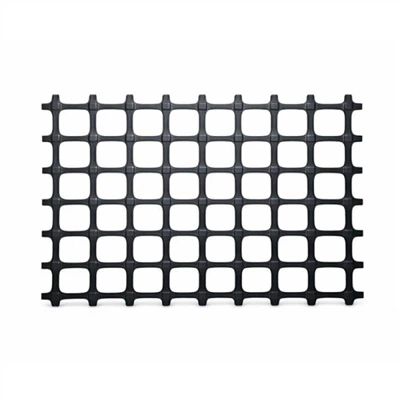

Geocells and geotextiles are two crucial geosynthetic materials widely used in civil engineering projects. As a geocell supplier, I have witnessed firsthand the remarkable synergy between these two materials and their significant impact on various construction applications. In this blog, I will delve into how geocells interact with geotextiles, exploring their combined functions, benefits, and real - world applications.
Understanding Geocells and Geotextiles
Geocells are three - dimensional honeycomb - like structures typically made from high - density polyethylene (HDPE) or polypropylene (PP). High Strength HDPE Geocell offers excellent strength and durability, while PP Plastic Geocell provides flexibility and cost - effectiveness. These cells are filled with soil, aggregate, or other fill materials, creating a stable and reinforced structure.
Geotextiles, on the other hand, are permeable fabrics made from synthetic fibers such as polyester or polypropylene. They can be woven, non - woven, or knitted, each with different properties and applications. Geotextiles are used for separation, filtration, drainage, and reinforcement in civil engineering projects.
Interaction Mechanisms
Separation
One of the primary interactions between geocells and geotextiles is separation. When used together in a construction project, geotextiles can be placed beneath the geocells. This helps to prevent the mixing of different soil layers. For example, in road construction, a geotextile can separate the subgrade soil from the aggregate fill within the geocells. This separation is crucial because it maintains the integrity of each layer. If the subgrade soil mixes with the aggregate, it can reduce the load - bearing capacity of the road structure. The geotextile acts as a physical barrier, ensuring that the materials remain in their intended positions. Geocell Confinement System For Road Construction often incorporates geotextiles for this very purpose.
Filtration
Geotextiles also play a vital role in filtration when used in conjunction with geocells. As water passes through the geocell - filled structure, the geotextile allows water to flow while preventing the migration of fine soil particles. This is especially important in applications where proper drainage is required, such as in retaining walls or embankments. The geotextile filters out the soil particles, preventing clogging of the geocell structure and maintaining its long - term performance.
Reinforcement
Geocells and geotextiles can work together to enhance the overall reinforcement of a structure. Geocells provide lateral confinement to the fill material, increasing its shear strength. When combined with a geotextile, the reinforcement effect is further enhanced. The geotextile distributes the load more evenly across the geocell - filled area, reducing stress concentrations. This combined reinforcement can significantly improve the stability of slopes, foundations, and roadways.
Benefits of the Combined Use
Improved Load - Bearing Capacity
The combination of geocells and geotextiles can greatly increase the load - bearing capacity of a structure. In road construction, for example, the geocell - geotextile system can support heavier traffic loads. The geocells confine the aggregate, preventing it from spreading under load, while the geotextile distributes the load and provides additional reinforcement. This results in a more durable and long - lasting road surface.
Erosion Control
Geocells and geotextiles are effective in controlling erosion. In slope protection projects, the geocell structure holds the soil in place, while the geotextile prevents soil particles from being washed away by water. This combined system can withstand the forces of wind and water, protecting the slope from erosion and maintaining its stability.
Cost - Effectiveness
Using geocells and geotextiles together can be cost - effective. Geocells reduce the need for large amounts of high - quality fill materials by confining the existing soil or lower - quality aggregates. Geotextiles, on the other hand, can extend the service life of the geocell structure by preventing soil mixing and clogging. This reduces the overall construction and maintenance costs.
Real - World Applications
Road Construction
In road construction, the combination of geocells and geotextiles is widely used. The geotextile is first placed on the subgrade to separate it from the aggregate fill. Then, the geocells are installed and filled with aggregate. This system provides a stable base for the road surface, reducing rutting and cracking. It also improves the performance of the road in areas with poor soil conditions.
Slope Stabilization
For slope stabilization, geotextiles are laid on the slope surface to prevent soil erosion. Geocells are then installed on top of the geotextile and filled with soil or vegetation. This combined system not only stabilizes the slope but also promotes vegetation growth, which further enhances slope stability and environmental protection.
Retaining Walls
In retaining wall construction, geotextiles are used as a filter and separator behind the wall. Geocells can be used to reinforce the backfill material, increasing the wall's stability. The geotextile prevents soil particles from seeping through the wall, while the geocell - filled backfill provides additional support.
Conclusion
The interaction between geocells and geotextiles is a powerful combination in civil engineering. Their combined functions of separation, filtration, and reinforcement offer numerous benefits, including improved load - bearing capacity, erosion control, and cost - effectiveness. These materials are widely used in various construction applications, from road construction to slope stabilization and retaining walls.


If you are considering a project that could benefit from the use of geocells and geotextiles, I encourage you to reach out for a detailed discussion. Our team of experts can provide you with the best solutions tailored to your specific needs. Whether you need a Geocell Confinement System For Road Construction, High Strength HDPE Geocell, or PP Plastic Geocell, we are here to assist you. Contact us to start the procurement process and bring your project to success.
References
- Koerner, R. M. (2012). Designing with Geosynthetics. Pearson.
- Bonaparte, R., & Christopher, B. R. (2008). Geosynthetics in Civil Engineering. Wiley.