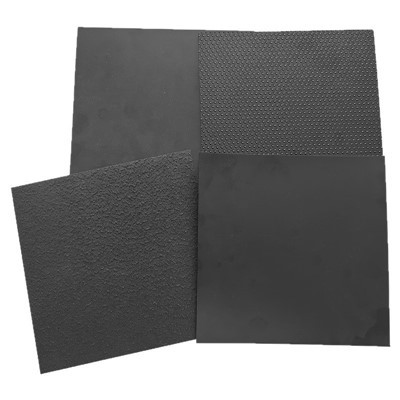

In the realm of geotechnical engineering, triaxial geogrids have emerged as a crucial component for soil reinforcement and stabilization. As a supplier of triaxial geogrids, I often encounter questions from clients regarding the appearance quality of these products. This blog aims to explore whether there are any standards for the appearance quality of triaxial geogrids and why it matters in the context of their performance.
Understanding Triaxial Geogrids
Triaxial geogrids are three - dimensional, high - strength polymeric materials designed to enhance the mechanical properties of soil. They are typically made from polypropylene or other polymers and have a unique triangular aperture structure. This structure provides superior load - distribution capabilities compared to traditional biaxial geogrids. Triaxial geogrids find applications in various projects, including road construction, railway sub - ballast stabilization, and slope reinforcement. For more information on different types of triaxial geogrids, you can visit Triaxial Plastic Geogrid, Triaxial Grid, Triaxial Geogrid For Soil Reinforcement, Triaxial Polypropylene Geogrid, and Triaxial Geogrid for Railway Sub - Ballast Stabilisation.
Importance of Appearance Quality
The appearance of a triaxial geogrid may seem like a superficial aspect at first glance, but it can actually provide valuable insights into its quality and performance. A well - made triaxial geogrid with a good appearance is more likely to have consistent physical and mechanical properties. For example, a geogrid with a uniform color and smooth surface indicates a more homogenous manufacturing process, which can translate into better strength and durability.
Industry Standards for Appearance Quality
While there is no single, universal standard for the appearance quality of triaxial geogrids, several international and national standards provide some guidelines.
ISO Standards
The International Organization for Standardization (ISO) sets standards for a wide range of products, including geosynthetics. ISO 10318 provides general requirements for geogrids, which include some aspects related to appearance. For instance, it states that the geogrid should be free from visible defects such as cracks, holes, or unevenness that could affect its performance.
ASTM Standards
The American Society for Testing and Materials (ASTM) also has relevant standards. ASTM D6637 focuses on geogrids for soil reinforcement. It requires that the geogrid should have a consistent texture and appearance, and any surface irregularities should be within specified tolerances.
National Standards
Many countries have their own national standards for geosynthetics. These standards often align with international standards but may have some specific requirements based on local conditions and construction practices. For example, some national standards may specify the maximum allowable variation in color or the acceptable level of surface roughness.
Specific Appearance Criteria
Color Consistency
A triaxial geogrid should have a consistent color throughout its surface. Color variations can be an indication of inconsistent material mixing during the manufacturing process. In some cases, a significant color difference may also suggest the presence of impurities or degradation of the polymer. For example, if a geogrid has patches of a different color, it could be a sign of improper extrusion or the use of recycled materials of variable quality.
Surface Smoothness
The surface of the triaxial geogrid should be smooth, without any sharp edges or protrusions. A rough surface can cause damage to the surrounding soil or other materials in contact with the geogrid. Additionally, a smooth surface allows for better interaction between the geogrid and the soil, facilitating the transfer of loads.
Aperture Uniformity
The triangular apertures of the triaxial geogrid should be uniform in size and shape. Non - uniform apertures can lead to uneven stress distribution within the soil, reducing the effectiveness of the geogrid in soil reinforcement. The aperture size is also crucial as it determines the ability of the geogrid to interlock with the soil particles.
Absence of Defects
The geogrid should be free from defects such as cracks, holes, and tears. These defects can significantly weaken the geogrid and compromise its performance. Even small cracks can propagate over time, especially under the influence of external loads or environmental factors.
Inspection and Quality Control
As a supplier, we implement a rigorous inspection and quality control process to ensure that our triaxial geogrids meet the highest appearance quality standards. Our production facilities are equipped with advanced testing equipment to detect any potential defects.
Visual Inspection
We conduct visual inspections at multiple stages of the manufacturing process. Trained inspectors carefully examine the geogrids for color consistency, surface smoothness, aperture uniformity, and the absence of defects. Any geogrid that does not meet the appearance criteria is removed from the production line.
Dimensional Inspection
In addition to visual inspection, we also perform dimensional inspections to ensure that the geogrids have the correct size and aperture dimensions. This is done using precision measuring tools to guarantee that the geogrids meet the specified requirements.
Performance Testing
We also subject our triaxial geogrids to a series of performance tests, such as tensile strength tests and creep tests. These tests not only evaluate the mechanical properties of the geogrids but also provide an indirect assessment of their appearance quality. A geogrid with good appearance quality is more likely to perform well in these tests.
Impact of Appearance Quality on Performance
The appearance quality of a triaxial geogrid can have a direct impact on its performance. A geogrid with poor appearance quality may have underlying structural issues that can affect its strength, durability, and ability to reinforce the soil.
Strength and Durability
A geogrid with visible defects or non - uniform structure is more likely to fail under load. Cracks or holes can act as stress concentration points, leading to premature failure of the geogrid. In contrast, a geogrid with a good appearance quality is more likely to have consistent mechanical properties, ensuring long - term durability.
Soil - Geogrid Interaction
The surface smoothness and aperture uniformity of the geogrid play a crucial role in its interaction with the soil. A smooth surface allows for better soil - geogrid interlocking, while uniform apertures ensure even stress distribution. This leads to more effective soil reinforcement and improved overall performance of the geotechnical structure.
Conclusion
In conclusion, while there is no one - size - fits - all standard for the appearance quality of triaxial geogrids, there are several industry guidelines that provide a framework for assessing their quality. As a supplier, we understand the importance of appearance quality in ensuring the performance and reliability of our products. By adhering to strict inspection and quality control processes, we can provide our clients with triaxial geogrids that not only meet but exceed their expectations.


If you are interested in purchasing triaxial geogrids for your project, we invite you to contact us for further discussions. Our team of experts is ready to assist you in selecting the right product for your specific needs.
References
- ISO 10318: Geosynthetics - Geogrids - General requirements.
- ASTM D6637: Standard Specification for Geogrids for Soil Reinforcement.
- Various national standards for geosynthetics.