
Can composite geomembrane be used in high - temperature regions?
As a supplier of composite geomembranes, I often receive inquiries from clients about the suitability of our products in various environmental conditions. One question that comes up frequently is whether composite geomembranes can be used in high - temperature regions. In this blog, I will explore this topic in detail, combining scientific knowledge with practical experience in the field.
Understanding Composite Geomembranes
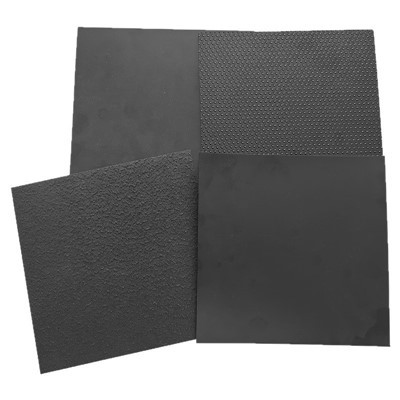
Composite geomembranes are engineered materials composed of a geomembrane layer (usually made of polymers such as polyethylene) and a geotextile layer. The geomembrane provides a low - permeability barrier, preventing the passage of liquids and gases, while the geotextile offers protection, reinforcement, and filtration functions. These materials are widely used in applications such as landfill liners, water storage ponds, and canal lining.
The typical polymers used in the production of geomembranes, like HDPE (High-Density Polyethylene) and LLDPE (Linear Low - Density Polyethylene), have specific temperature tolerance ranges. Generally, HDPE has a melting point around 120 - 130°C (248 - 266°F), and LLDPE has a somewhat lower melting point, typically in the range of 110 - 125°C (230 - 257°F).
High - Temperature Effects on Composite Geomembranes
When used in high - temperature regions, composite geomembranes are exposed to a series of potential challenges.
Thermal Expansion: One of the most immediate effects of high temperatures is thermal expansion. As the temperature rises, the geomembrane material expands. This expansion can cause stress on the membrane, especially if it is installed in a confined space. If the expansion is not properly accommodated, it can lead to wrinkling, buckling, or even rupture of the geomembrane. For example, in a landfill liner application, if the geomembrane expands due to high temperatures and is restricted by the surrounding soil or construction elements, it may develop internal stresses that compromise its integrity.
Chemical Degradation: High temperatures can accelerate chemical reactions within the geomembrane material. Polymers may undergo oxidation, which can break down the molecular structure of the material over time. Oxidation can lead to a decrease in the mechanical properties of the geomembrane, such as reduced tensile strength and elongation at break. Additionally, if the geomembrane is in contact with certain chemicals in the environment, high temperatures can enhance the chemical reactivity between the membrane and these substances, potentially causing more rapid degradation.
Softening and Loss of Rigidity: As the temperature approaches the melting point of the polymer, the geomembrane will start to soften. This softening can result in a loss of rigidity, making the membrane more susceptible to puncture and damage from external forces. For instance, in a high - temperature region where heavy machinery may be operating near a geomembrane - lined pond, the softened membrane may be more easily punctured by the equipment's tracks or wheels.
Suitability of Composite Geomembranes in High - Temperature Regions
Despite these challenges, composite geomembranes can still be used in high - temperature regions under the right conditions.
Material Selection: Choosing the appropriate polymer for the geomembrane is crucial. Some polymers are more heat - resistant than others. For example, certain grades of HDPE are formulated to have better high - temperature performance. These specialized HDPE materials can withstand higher temperatures without significant loss of mechanical properties. Additionally, the geotextile layer in the composite geomembrane can also play a role in enhancing the overall heat resistance. A high - quality geotextile with good thermal stability can provide additional support and protection to the geomembrane.
Installation Techniques: Proper installation is essential for ensuring the performance of composite geomembranes in high - temperature regions. During installation, it is necessary to account for the potential thermal expansion of the material. This can be achieved by leaving sufficient slack in the membrane during installation or using expansion joints. Expansion joints allow the geomembrane to expand and contract freely without causing excessive stress on the material. Moreover, proper anchoring and seaming techniques are also important to prevent the membrane from shifting or separating due to thermal effects.
Temperature Monitoring and Maintenance: Regular temperature monitoring in high - temperature regions is necessary to assess the performance of the composite geomembrane. By monitoring the temperature, it is possible to detect any abnormal temperature changes that may indicate potential problems with the membrane. Additionally, routine maintenance, such as inspecting for signs of damage or degradation, can help extend the service life of the geomembrane.
Case Studies
There are several real - world examples that demonstrate the successful use of composite geomembranes in high - temperature regions.
In some arid desert regions, composite geomembrane liners have been used in water storage ponds. These regions often experience high daytime temperatures, sometimes exceeding 40°C (104°F). By using high - quality HDPE - based composite geomembranes and implementing proper installation and maintenance procedures, these ponds have been able to store water effectively for long periods without significant issues related to the geomembrane's performance.

Another example is in industrial waste disposal sites located in hot climates. Composite geomembranes are used as liners to prevent the leakage of hazardous waste. Through careful material selection and engineering design, these liners have withstood the high - temperature conditions and provided reliable containment for the waste.
Conclusion
In conclusion, composite geomembranes can indeed be used in high - temperature regions, but it requires careful consideration of material selection, installation techniques, and maintenance. As a supplier of composite geomembranes, I am committed to providing our clients with the best - suited products and technical support for their specific applications.
If you are considering using composite geomembranes in a high - temperature project, I encourage you to explore our Composite Geomembrane Liner options. Our team of experts can provide detailed information and guidance to ensure the success of your project. Whether you are involved in a landfill, water storage, or other applications, we are here to help you make the right choice.
If you have any questions or would like to discuss your geomembrane requirements further, please do not hesitate to contact us. We look forward to the opportunity to work with you and contribute to the success of your project.
References
- Giroud, J.-P., & Bonaparte, R. (1989). Geomembrane permeability. Journal of Geotechnical Engineering, 115(8), 1088 - 1110.
- Koerner, R. M. (2012). Designing with Geosynthetics (6th ed.). Pearson Prentice Hall.
- Rowe, R. K. (2005). Geosynthetics in Waste Containment Facilities: Design, Construction, and Geotechnics. CRC Press.