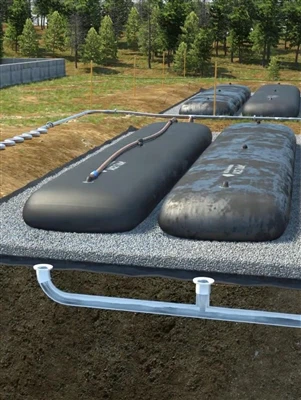

Hey there! As a geogrids supplier, I often get asked if geogrids can be used in bridge abutment construction. Well, the short answer is yes, and in this blog, I'll dive into the details of why and how geogrids are a great fit for this application.
What Are Geogrids?
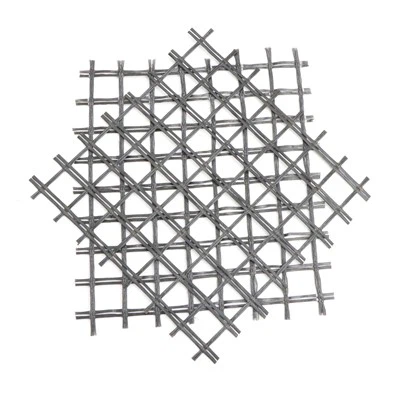
Before we get into bridge abutments, let's quickly go over what geogrids are. Geogrids are a type of geosynthetic material made from polymers like polypropylene or polyester. They have a grid-like structure with openings that allow soil particles to interlock with the grid. This interlocking creates a composite material that has improved strength and stability compared to the soil alone.
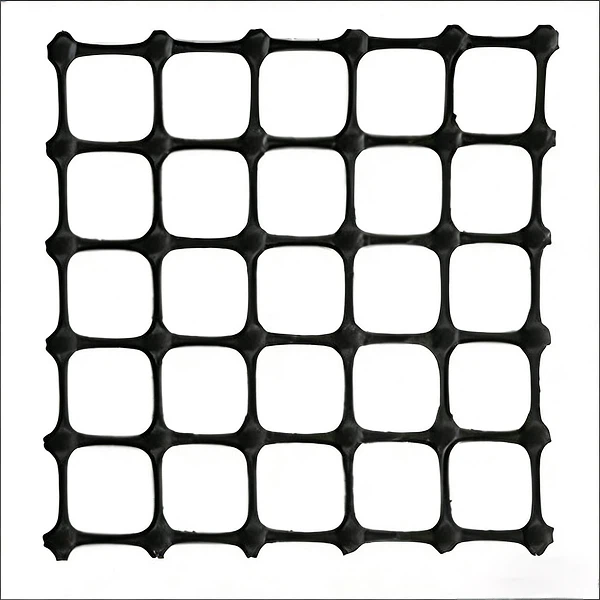
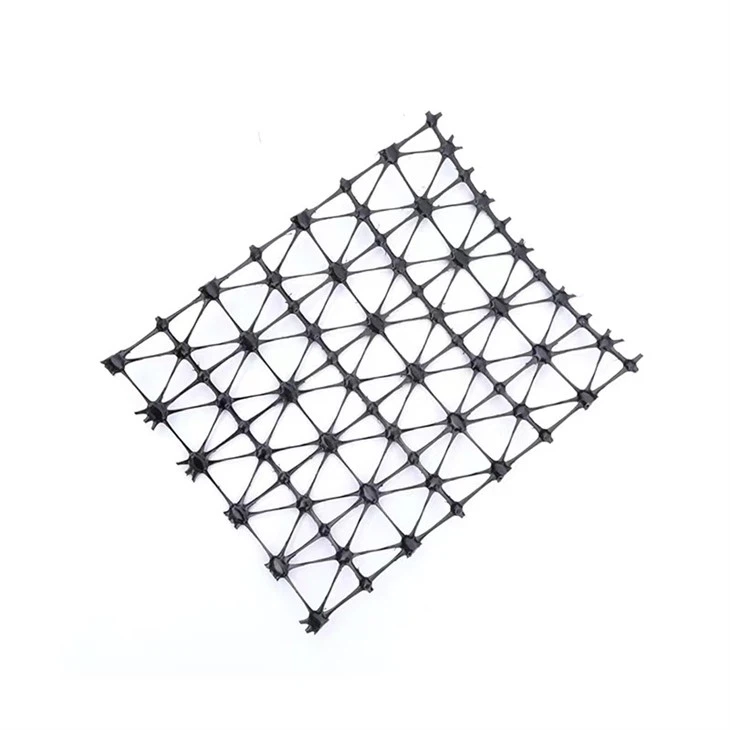
There are different types of geogrids, and each has its own unique properties and applications. For example, Biaxial Geogrid Rolls For Soil Stabilisation are designed to provide strength in two directions, making them great for applications where loads are applied in multiple directions. BX Geogrids For Ground Stabilisation are also biaxial but are specifically engineered for ground stabilisation projects. And then there's the Triaxial Grid, which has a triangular structure that provides excellent load distribution and is ideal for high-stress applications.
Why Use Geogrids in Bridge Abutment Construction?
Bridge abutments are the structures at the ends of a bridge that support the bridge deck and transfer the loads from the bridge to the ground. They need to be strong and stable to ensure the safety and longevity of the bridge. Here are some reasons why geogrids are a great choice for bridge abutment construction:
1. Improved Soil Stability
One of the main benefits of using geogrids in bridge abutment construction is that they improve the stability of the soil. When geogrids are installed in the soil, they create a reinforcement layer that helps to distribute the loads more evenly. This reduces the stress on the soil and prevents it from settling or shifting. As a result, the abutment is more stable and less likely to experience structural problems.
2. Increased Bearing Capacity
Geogrids can also increase the bearing capacity of the soil. By providing additional reinforcement, geogrids allow the soil to support heavier loads without failing. This is especially important in areas where the soil has low bearing capacity, such as soft clay or loose sand. Using geogrids can help to reduce the need for expensive foundation treatments, such as deep piles or soil improvement techniques.
3. Reduced Settlement
Settlement is a common problem in bridge abutment construction, especially in areas with soft or compressible soil. Geogrids can help to reduce settlement by providing additional support and preventing the soil from compressing under the weight of the bridge. This can help to ensure that the bridge remains level and stable over time.
4. Cost-Effective Solution
Using geogrids in bridge abutment construction can be a cost-effective solution compared to traditional methods. Geogrids are relatively inexpensive and easy to install, which can help to reduce labor and material costs. Additionally, by improving the stability and performance of the abutment, geogrids can help to reduce the need for future maintenance and repairs, which can save money in the long run.
How to Use Geogrids in Bridge Abutment Construction
The process of using geogrids in bridge abutment construction typically involves the following steps:
1. Site Preparation
Before installing the geogrids, the site needs to be prepared. This includes clearing the area of any vegetation, debris, or other obstacles. The soil should also be compacted to ensure a stable base for the abutment.
2. Geogrid Installation
Once the site is prepared, the geogrids can be installed. The geogrids are typically laid out in layers, with each layer overlapping the previous one. The geogrids are then secured to the soil using stakes or other anchoring devices.
3. Backfilling
After the geogrids are installed, the abutment is backfilled with soil. The soil should be compacted in layers to ensure that it is properly consolidated. The geogrids help to distribute the loads from the backfill and prevent the soil from shifting or settling.
4. Construction of the Abutment
Once the backfilling is complete, the abutment can be constructed. The geogrids provide additional support and stability to the abutment, which helps to ensure its long-term performance.
Case Studies
To illustrate the effectiveness of using geogrids in bridge abutment construction, let's take a look at a few case studies.
Case Study 1: Bridge Abutment in Soft Soil
In a project in a coastal area, a bridge abutment was being constructed on soft clay soil. The soil had low bearing capacity, and there was a risk of settlement and instability. To address this issue, geogrids were installed in the soil to provide additional reinforcement. The geogrids helped to distribute the loads from the abutment more evenly, reducing the stress on the soil and preventing settlement. The bridge abutment was successfully constructed, and it has been performing well since its completion.
Case Study 2: Bridge Abutment in Loose Sand
In another project, a bridge abutment was being built on loose sand. The sand had poor compaction characteristics, and there was a risk of the abutment shifting or sinking. Geogrids were used to reinforce the sand and improve its stability. The geogrids were installed in multiple layers, and the sand was compacted around them. The geogrids helped to increase the bearing capacity of the sand and prevent the abutment from settling. The bridge abutment was completed on time and within budget, and it has been functioning properly ever since.
Conclusion
In conclusion, geogrids can be a great solution for bridge abutment construction. They offer many benefits, including improved soil stability, increased bearing capacity, reduced settlement, and cost-effectiveness. By using geogrids, engineers and contractors can ensure the long-term performance and safety of bridge abutments.
If you're involved in a bridge abutment construction project and are interested in using geogrids, I'd love to talk to you. As a geogrids supplier, I have the expertise and products to help you find the right solution for your project. Contact me today to discuss your requirements and get a quote.