
Biaxial plastic geogrids are widely used in geotechnical engineering for soil reinforcement and stabilization. As a biaxial plastic geogrid supplier, I've witnessed firsthand the importance of understanding how bending affects the performance of these essential products. In this blog, we'll explore the intricate relationship between bending and the performance of biaxial plastic geogrids, shedding light on the key factors that influence their effectiveness in various applications.
Understanding Biaxial Plastic Geogrids
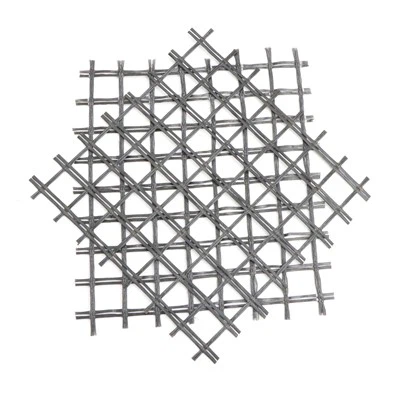
Biaxial plastic geogrids are synthetic materials made from high - density polyethylene (HDPE) or polypropylene (PP). They feature a grid - like structure with apertures, which allows soil particles to interlock with the geogrid, providing reinforcement and improving the overall stability of the soil. These geogrids are designed to resist tensile forces in two directions, making them suitable for a wide range of applications, including road construction, slope stabilization, and retaining wall systems.
The Impact of Bending on Biaxial Plastic Geogrids
1. Tensile Strength
One of the primary concerns when it comes to bending is its effect on the tensile strength of biaxial plastic geogrids. When a geogrid is bent, the distribution of stress within the material changes. In a straight, unbent state, the geogrid can efficiently transfer tensile forces along its longitudinal and transverse axes. However, bending can cause stress concentrations at the bent sections.
If the bending radius is too small, the geogrid may experience local damage, such as cracking or tearing. This damage can significantly reduce the overall tensile strength of the geogrid, compromising its ability to reinforce the soil. For example, in a road construction project, if the biaxial plastic geogrid is bent during installation and its tensile strength is reduced, it may not be able to withstand the traffic loads, leading to premature failure of the road structure.
2. Aperture Integrity
The apertures in biaxial plastic geogrids play a crucial role in soil - geogrid interaction. When the geogrid is bent, the shape and size of the apertures can change. A significant change in aperture size can affect the interlocking between the soil and the geogrid. If the apertures become too small, the soil particles may not be able to penetrate and interlock effectively, reducing the reinforcement effect.
On the other hand, if the apertures become too large, the soil may not provide sufficient resistance to the geogrid, and the geogrid may not be able to transfer the tensile forces to the soil efficiently. For instance, in a slope stabilization project, proper aperture integrity is essential for the geogrid to hold the soil in place and prevent slope failure.
3. Long - term Durability
Bending can also have an impact on the long - term durability of biaxial plastic geogrids. Repeated bending can cause fatigue in the material, leading to micro - cracks and weakening of the geogrid over time. These micro - cracks can act as initiation points for further damage, such as environmental degradation and chemical attack.
In addition, bending can expose the inner layers of the geogrid to the environment, increasing the risk of UV degradation. UV rays can break down the polymer chains in the geogrid, reducing its strength and durability. Therefore, it's important to ensure that the geogrid is installed in a way that minimizes bending to maintain its long - term performance.
Factors Influencing the Effect of Bending
1. Bending Radius
The bending radius is a critical factor in determining the impact of bending on biaxial plastic geogrids. A larger bending radius generally results in less stress concentration and less damage to the geogrid. Manufacturers usually provide guidelines on the minimum bending radius for their geogrids. For example, a geogrid with a larger cross - sectional area may require a larger bending radius to avoid damage.
2. Material Properties
The material properties of the biaxial plastic geogrid, such as its stiffness and ductility, also play a role in how it responds to bending. Geogrids made from more ductile materials can withstand more bending without significant damage compared to stiffer materials. For instance, PP biaxial geogrids PP Biaxial Geogrid are known for their relatively high ductility, which allows them to tolerate some degree of bending during installation.
3. Installation Conditions
The installation process can also influence the amount of bending that a biaxial plastic geogrid experiences. If the installation is not carried out carefully, the geogrid may be bent or kinked, leading to performance issues. For example, if the geogrid is pulled too tightly during installation, it may bend at sharp angles, causing damage to the material.
Strategies to Minimize the Negative Effects of Bending
1. Proper Installation
Proper installation is key to minimizing the negative effects of bending on biaxial plastic geogrids. Installation teams should follow the manufacturer's guidelines regarding handling, storage, and installation. This includes ensuring that the geogrid is unrolled smoothly and without excessive tension, and that it is laid flat on the prepared surface.


2. Use of Appropriate Equipment
Using the right equipment during installation can also help reduce bending. For example, specialized geogrid installation machines can ensure that the geogrid is laid evenly and without unnecessary bending. These machines can also help in maintaining the correct tension and alignment of the geogrid.
3. Selection of Suitable Geogrids
When selecting a biaxial plastic geogrid for a project, it's important to consider the potential for bending. For applications where bending is likely to occur, such as in uneven terrain, a more ductile geogrid may be a better choice. For example, if you need a high - strength geogrid that can withstand some bending, the High - Tensile Steel Plastic Geogrid 30 - 120kN may be a suitable option.
Conclusion
In conclusion, bending can have a significant impact on the performance of biaxial plastic geogrids. It can affect the tensile strength, aperture integrity, and long - term durability of the geogrid. By understanding the factors that influence the effect of bending and implementing strategies to minimize its negative effects, we can ensure that biaxial plastic geogrids perform effectively in various geotechnical applications.
As a biaxial plastic geogrid supplier, we offer a wide range of high - quality geogrids, including Steel Plastic Geogrid, High - Tensile Steel Plastic Geogrid 30 - 120kN, and PP Biaxial Geogrid. If you're interested in learning more about our products or have a specific project in mind, we invite you to contact us for further discussion and procurement. Our team of experts is ready to assist you in finding the best geogrid solution for your needs.
References
- ASTM D6637/D6637M - 18, Standard Specification for Geogrids for Reinforcement of Soil and Related Materials.
- Koerner, R. M. (2012). Designing with Geosynthetics. Pearson.
- Holtz, R. D., & Kovacs, W. D. (1981). An Introduction to Geotechnical Engineering. Prentice - Hall.