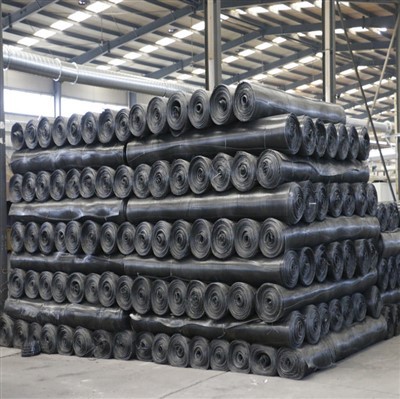
Soil conservation is a big deal in agricultural fields. It's all about keeping the soil in place, making sure it's fertile, and preventing erosion. That's where triaxial geogrid comes in super handy. As a triaxial geogrid supplier, I've seen firsthand how this amazing product can make a real difference in soil conservation for farmers.
Understanding Triaxial Geogrid
First off, let's talk about what triaxial geogrid is. It's a type of geosynthetic material made from high - density polyethylene (HDPE). The unique thing about it is its triaxial structure. Unlike regular geogrids, which usually have a biaxial design, triaxial geogrid has a three - dimensional pattern. This gives it better strength and stability.
The triangular shape of the triaxial geogrid cells provides a more efficient way to distribute loads. When it's installed in the soil, it creates a strong reinforcement network. This network helps to hold the soil particles together, preventing them from being washed away by water or blown away by wind.
How Triaxial Geogrid Helps in Soil Erosion Prevention
One of the main problems in agricultural fields is soil erosion. Heavy rainfall can cause water to flow over the soil surface, carrying away valuable topsoil. Wind can also blow loose soil particles, leading to soil loss. Triaxial geogrid can be a game - changer in preventing this.


When triaxial geogrid is laid on the soil surface, it acts as a barrier. The geogrid's structure slows down the flow of water. It catches the soil particles that would otherwise be washed away. The triangular cells of the geogrid trap the soil, holding it in place. This is especially important on slopes. In hilly agricultural areas, water runoff is a major issue. Triaxial geogrid can be installed on the slopes to prevent soil from sliding down.
In addition to water erosion, wind erosion is also a concern. The geogrid helps to reduce wind speed near the soil surface. It creates a rough surface that disrupts the wind flow. This makes it harder for the wind to pick up and carry soil particles.
Improving Soil Structure and Fertility
Triaxial geogrid doesn't just prevent soil erosion; it also helps to improve the soil structure. When the geogrid is installed in the soil, it encourages the development of a more stable soil matrix. The soil particles are held in a more organized way, which improves soil porosity.
Better soil porosity means that water can infiltrate the soil more easily. This is crucial for plant growth. Plants need water to survive, and if the soil has good porosity, the water can reach the plant roots more effectively. Also, air can penetrate the soil, which is important for root respiration.
Moreover, the geogrid can help to retain nutrients in the soil. As the soil is held in place, the nutrients are less likely to be washed away. This means that the plants have a better supply of essential nutrients, which can lead to healthier and more productive crops.
Applications in Different Agricultural Scenarios
Row Crops
In fields where row crops are grown, triaxial geogrid can be installed between the rows. This helps to prevent soil erosion between the plants. It also provides a stable base for the plants, which can be beneficial during heavy rain or strong winds. The geogrid can reduce the risk of soil compaction, which is a common problem in row crop farming. When the soil is compacted, it becomes harder for plant roots to grow and for water to penetrate.
Orchards
In orchards, triaxial geogrid can be used to stabilize the soil around the trees. The geogrid helps to prevent soil erosion on the slopes around the orchard. It also provides a stable surface for equipment and workers. This can improve the overall efficiency of orchard management.
Pastures
For pastures, triaxial geogrid can be installed to prevent soil erosion caused by the movement of livestock. The geogrid helps to distribute the weight of the animals more evenly, reducing the impact on the soil. This can lead to better grass growth and a healthier pasture.
Where to Find Triaxial Geogrid
If you're interested in using triaxial geogrid for soil conservation in your agricultural fields, we've got you covered. You can check out our different types of triaxial geogrid products. For ground reinforcement, you can visit Triaxial Geogrid For Ground Reinforcement. If you're dealing with railway sub - ballast stabilisation, take a look at Triaxial Geogrid for Railway Sub - Ballast Stabilisation. And for our triaxial plastic geogrid, go to Triaxial Plastic Geogrid.
Why Choose Our Triaxial Geogrid
Our triaxial geogrid is made from high - quality materials. It's durable and can withstand harsh environmental conditions. We've conducted extensive tests to ensure that our geogrid meets the highest standards. Whether you're dealing with heavy rainfall, strong winds, or the movement of heavy machinery, our geogrid can provide reliable soil reinforcement.
We also offer excellent customer service. Our team of experts can help you choose the right type of geogrid for your specific agricultural needs. We can provide installation guidance and answer any questions you may have.
Let's Talk
If you're interested in purchasing triaxial geogrid for your agricultural fields, don't hesitate to reach out. We're here to help you with your soil conservation needs. Whether you're a small - scale farmer or a large - scale agricultural operation, we have the right solution for you. Contact us today to start a discussion about how our triaxial geogrid can benefit your farm.