
When it comes to the installation of fiberglass geogrids, a common question that arises is whether they require any special handling. As a supplier of high - quality fiberglass geogrids, I'm here to provide you with a comprehensive answer.
Understanding Fiberglass Geogrids
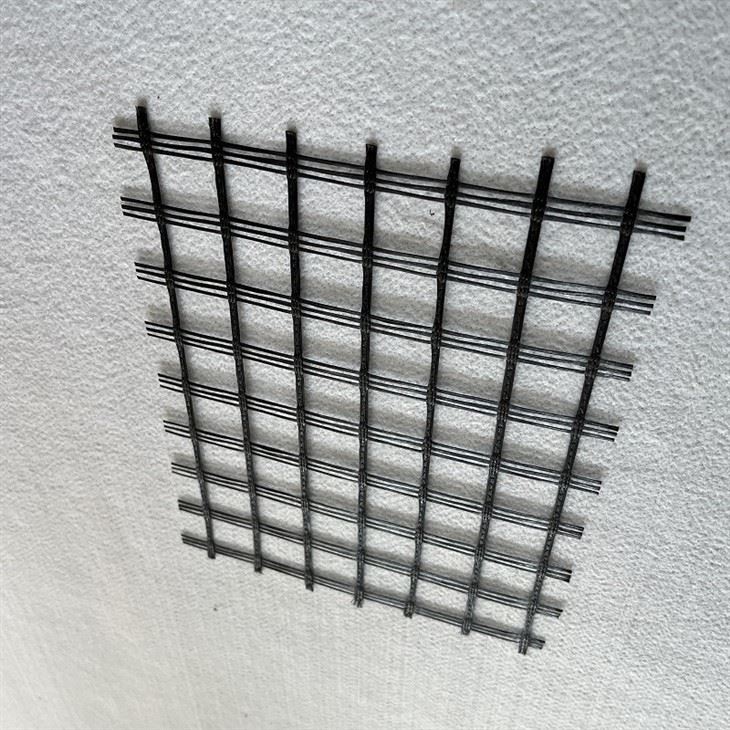
Fiberglass geogrids are made from high - strength fiberglass yarns that are woven and then coated with a polymer resin. These geogrids are widely used in civil engineering applications, such as road reinforcement, asphalt pavement improvement, and soil stabilization. They offer several advantages, including high tensile strength, low creep, and excellent resistance to chemical and environmental factors. You can find more information about our fiberglass geogrids on these pages: Fiberglass Geogrid For Road Reinforcement, Bonded Geogrid, Fiberglass Geogrid For Asphalt Pavement, Glass Fiber Geogrid, and Fiberglass Geogrids For Asphalt Pavement.

Special Handling Requirements during Installation
Storage and Transportation
- Protection from Moisture: Fiberglass geogrids should be stored in a dry environment. Moisture can potentially affect the polymer coating on the geogrids, which may compromise their performance. During transportation, they should be covered with waterproof tarps to prevent rain or snow from contacting the geogrids.
- Avoiding Physical Damage: While fiberglass is strong, it can be damaged by sharp objects. During storage, the geogrids should be stacked on flat surfaces without any protruding nails or uneven edges. In transit, care should be taken to prevent rough handling that could cause tearing or abrasion.
Surface Preparation
- Clean Surface: Before installation, the surface where the fiberglass geogrid will be placed must be clean. Any dirt, debris, or loose materials should be removed. This ensures proper bonding between the geogrid and the underlying surface. For example, in road construction, if there is dust or gravel on the base layer, it can create gaps between the geogrid and the road surface, reducing the effectiveness of the reinforcement.
- Surface Smoothness: The surface should also be reasonably smooth. Uneven surfaces can cause the geogrid to warp or not lay flat, which may lead to stress concentrations in certain areas and reduce the overall performance of the geogrid. Minor irregularities can be filled with a suitable leveling material.
Installation Process
- Proper Unrolling: Fiberglass geogrids are typically supplied in rolls. When unrolling the geogrid, it is important to do it slowly and evenly to avoid wrinkles or folds. Wrinkles can create weak points in the geogrid and may cause the asphalt or other overlay materials to crack over time. A team of workers may be required to ensure smooth unrolling, especially for large - scale projects.
- Securement: The geogrid needs to be properly secured to the surface. This can be done using mechanical fasteners or adhesives. Mechanical fasteners, such as pins or staples, should be driven into the ground at regular intervals to hold the geogrid firmly in place. Adhesives, on the other hand, can provide a more continuous bond but require careful application to ensure uniform coverage.
- Overlap and Seaming: When multiple rolls of fiberglass geogrid are used, proper overlapping and seaming are crucial. The overlap width should be in accordance with industry standards or design specifications. Usually, an overlap of at least 150 - 200 mm is recommended. The seams should be smooth and well - connected to ensure the continuity of the reinforcement effect.
Compatibility with Overlay Materials
- Asphalt Compatibility: In asphalt pavement applications, the fiberglass geogrid should be compatible with the asphalt mixture. Some polymers used in the geogrid coating may react differently with certain types of asphalt. Therefore, it is essential to conduct compatibility tests before large - scale installation. This helps to ensure that the asphalt adheres well to the geogrid and that the overall structure has good durability.
- Other Overlays: Similarly, when using other overlay materials such as concrete or soil - cement mixtures, the geogrid should be able to work in harmony with these materials. Special attention should be paid to factors like thermal expansion coefficients to prevent cracking or delamination due to differential movement.
Benefits of Special Handling
Adhering to these special handling requirements during installation offers several benefits. Firstly, it maximizes the performance of the fiberglass geogrid. By ensuring proper storage, surface preparation, and installation techniques, the geogrid can effectively distribute loads, reduce cracking, and extend the service life of the structure. For example, in a road project, a well - installed fiberglass geogrid can significantly reduce reflective cracking, which is a common problem in asphalt pavements.
Secondly, it enhances the safety of the project. A properly installed geogrid provides a stable base for the overlay materials, reducing the risk of structural failure. This is especially important in high - traffic areas or areas with heavy loads, such as highways and industrial yards.
Conclusion
In conclusion, fiberglass geogrids do require special handling during installation. From storage and transportation to surface preparation and the actual installation process, every step needs to be carried out with care. As a specialized fiberglass geogrid supplier, we are committed to providing not only high - quality products but also technical support to ensure proper installation.
If you are planning a project that requires the use of fiberglass geogrids, we welcome you to contact us for in - depth discussions about your specific needs. Our team of experts can offer detailed advice on product selection, installation methods, and handling procedures. Rest assured that with our fiberglass geogrids and professional guidance, your project will achieve the best possible results.
References
- Jones, R. M. (2018). Mechanics of Composite Materials. CRC Press.
- ASTM Standards for Geosynthetics. ASTM International.
- Koerner, R. M. (2012). Designing with Geosynthetics. Pearson.