
Does the Color of PVC Geomembrane Affect Its Performance?
In the realm of geotechnical engineering and environmental protection, PVC geomembranes have emerged as a crucial material. As a PVC geomembrane supplier, I often encounter inquiries regarding whether the color of these membranes impacts their performance. This blog delves into this topic, exploring the relationship between color and the various performance aspects of PVC geomembranes.
Understanding PVC Geomembranes
Before examining the influence of color, it's essential to understand what PVC geomembranes are. PVC (Polyvinyl Chloride) geomembranes are synthetic membranes made from polyvinyl chloride resin combined with additives to enhance their properties. These membranes are widely used in various applications, including landfill liners, pond liners, and waterproofing for tunnels and roofs. For instance, PVC Geomembranes For Landfill are designed to prevent the leakage of leachate, protecting the surrounding soil and groundwater from contamination.
The Role of Color in PVC Geomembranes
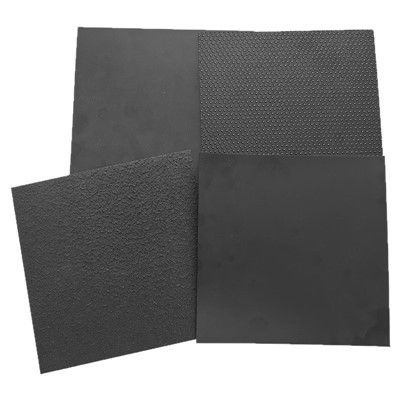
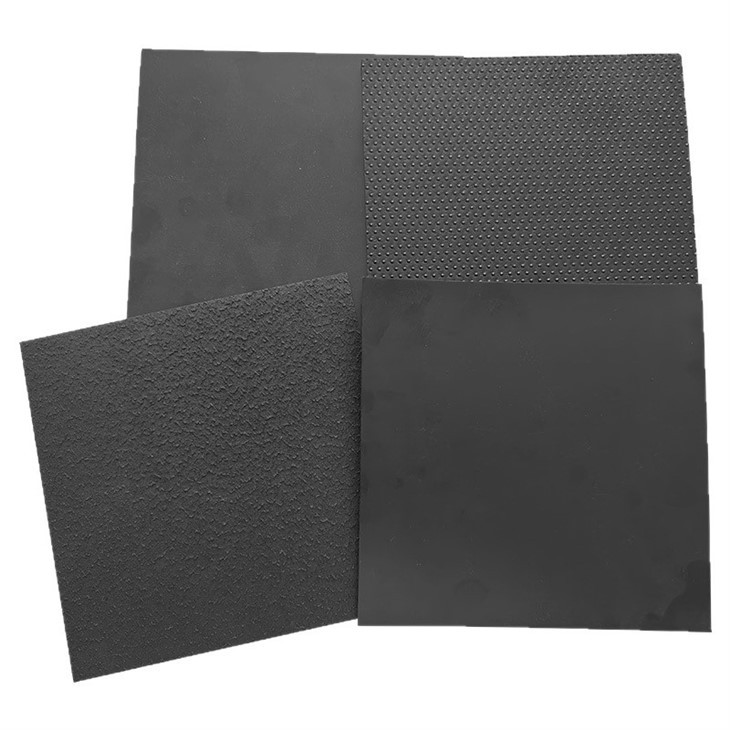
The color of a PVC geomembrane is primarily determined by the addition of pigments during the manufacturing process. Pigments are used not only for aesthetic purposes but also to provide specific functional benefits. Common colors of PVC geomembranes include black, white, gray, and green.
UV Resistance
One of the most significant performance factors affected by color is UV resistance. Black PVC geomembranes, for example, tend to absorb more sunlight, which can lead to higher surface temperatures. Prolonged exposure to UV radiation and high temperatures can cause the PVC material to degrade over time, reducing its mechanical strength and flexibility. On the other hand, lighter-colored geomembranes, such as white or gray, reflect more sunlight, resulting in lower surface temperatures. This helps to minimize the impact of UV radiation and heat on the material, enhancing its long - term durability. Studies have shown that white PVC Geomembrane Liner can have a significantly longer service life in outdoor applications compared to black liners, especially in regions with high solar radiation.
Heat Absorption and Thermal Expansion
Color also plays a role in heat absorption and thermal expansion. Dark - colored PVC geomembranes absorb more heat, which can cause the material to expand. Excessive thermal expansion can lead to stress on the membrane, potentially causing wrinkles, folds, or even tears. In contrast, lighter - colored membranes absorb less heat, resulting in less thermal expansion. This is particularly important in applications where the geomembrane needs to maintain a stable shape and integrity, such as in Smooth Flexible PVC Geomembrane Liner used in precise containment systems.

Visibility and Inspection
The color of a PVC geomembrane can affect its visibility, which is crucial for inspection and maintenance. For example, in some applications like PVC Pond Liner Geomembrane, a lighter - colored liner can make it easier to detect leaks, tears, or other damage. In a pond with clear water, a white or light - colored liner will stand out, allowing for quick identification of any issues. On the other hand, in a landfill environment where the geomembrane is covered with waste materials, a darker color may be more appropriate as it can blend in better and reduce the visual impact.
Other Performance Factors Unaffected by Color
While color does influence certain performance aspects, there are several performance factors that remain largely unaffected. The chemical resistance of PVC geomembranes, for example, is determined by the composition of the PVC resin and the additives used, rather than the color. Whether it's a black or a white Waterproof PVC Membrane For Tunnel & Roofing, it should provide the same level of resistance to chemicals commonly found in construction and environmental applications.
The mechanical strength properties such as tensile strength, tear strength, and puncture resistance are also mainly determined by the manufacturing process and the quality of the base materials. A well - engineered PVC geomembrane, regardless of its color, should meet the required standards for these mechanical properties.
Choosing the Right Color for Your Application
When selecting the color of a PVC geomembrane for a specific application, it's important to consider the environmental conditions and the intended use. In outdoor applications exposed to intense sunlight, lighter - colored membranes are generally preferred for their better UV resistance and lower thermal expansion. For applications where visibility is crucial, such as in ponds or water treatment facilities, a lighter color can simplify inspection and maintenance.
If the geomembrane is to be installed in an environment where it will be covered or shielded from sunlight, color may be less of a concern, and factors like cost and aesthetics may take precedence.
Conclusion
In conclusion, the color of a PVC geomembrane does have an impact on certain performance aspects, particularly UV resistance, heat absorption, and visibility. However, it has little to no effect on chemical resistance and most mechanical properties. As a PVC geomembrane supplier, I recommend carefully evaluating the specific requirements of your project before choosing the color of the geomembrane. If you have any questions or need assistance in selecting the right PVC geomembrane for your application, feel free to contact us for further discussion and procurement negotiation.
References
- ASTM International. (Year). Standard test methods for geomembranes. ASTM DXXXX - XX.
- Koerner, R. M. (Year). Designing with Geosynthetics. Prentice Hall.
- Rowe, R. K. (Year). Understanding Geosynthetic Clay Liners. CRC Press.