
As a supplier of Biaxial Plastic Geogrid, I often encounter inquiries about the colors of these products. In this blog, I'll delve into the typical colors of Biaxial Plastic Geogrid, the reasons behind these color choices, and how color might relate to the product's performance and usage.
Typical Colors of Biaxial Plastic Geogrid
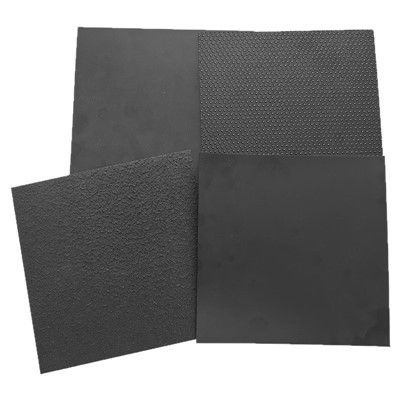
The most common color of Biaxial Plastic Geogrid is black. This color prevalence can be attributed to several factors, primarily related to the raw materials used and the manufacturing process. Many Biaxial Plastic Geogrids are made from materials such as High - Density Polyethylene (HDPE) or Polypropylene (PP). During the production of these polymers, carbon black is frequently added as a stabilizing agent. Carbon black not only enhances the UV resistance of the geogrid but also provides additional strength and durability.
The addition of carbon black gives the geogrid a black color. This is beneficial in outdoor applications, as the black color helps to absorb and dissipate the sun's energy. In construction projects where the geogrid is exposed to sunlight for extended periods, such as in road construction or slope stabilization, the UV - resistant property provided by carbon black is crucial. It prevents the geogrid from degrading due to UV radiation, which could otherwise lead to a reduction in its mechanical properties over time.
Another color that can be found in Biaxial Plastic Geogrid is white. White geogrids are often made from polymers that do not contain carbon black or have a very low carbon black content. These geogrids may be used in specific applications where the appearance of the project is a concern, or when there are special requirements for the material's chemical properties. For example, in some landscaping projects, a white geogrid might be preferred to blend in with the surrounding environment or to meet aesthetic standards.
Color and Performance
While the color of a Biaxial Plastic Geogrid can be an indication of its composition and some of its properties, it's important to note that color alone does not determine the overall performance of the geogrid. The mechanical properties of a geogrid, such as its tensile strength, elongation at break, and aperture size, are more directly related to its engineering performance.
For example, a black geogrid with high - quality carbon black added during manufacturing will have better UV resistance compared to a white geogrid without carbon black. However, both black and white geogrids can be engineered to have similar tensile strengths if they are made from the same base polymers and undergo the same manufacturing processes.
The color of the geogrid can also influence its temperature - related performance. Black geogrids, due to their ability to absorb more sunlight, may experience higher temperatures during the day compared to white geogrids. This temperature difference can potentially affect the material's creep behavior, which is the tendency of the material to deform under a constant load over time. In regions with high - temperature environments, the choice between a black and a white geogrid may need to take into account the potential impact of temperature on the geogrid's long - term performance.
Different Types of Biaxial Plastic Geogrid and Their Colors
Steel Plastic Geogrid
The Steel Plastic Geogrid is a type of Biaxial Plastic Geogrid that combines the strength of steel and the flexibility of plastic. These geogrids are typically black. The black color comes from the plastic component, which often contains carbon black for UV protection. The steel reinforcement inside the geogrid provides high tensile strength, making it suitable for applications such as retaining walls and large - scale slope stabilization projects.
Steel Plastic Geogrids For Retaining Wall And Slope
Steel Plastic Geogrids For Retaining Wall And Slope are designed to provide stability in challenging terrains. They are usually black, which not only offers UV protection but also gives a sense of durability. The combination of steel and plastic in these geogrids allows them to withstand high loads and resist soil movement.
High Density Polyethylene (HDPE) Geogrid For Ground Stabilization Projects
The High Density Polyethylene (HDPE) Geogrid For Ground Stabilization Projects can be either black or white. Black HDPE geogrids are more common for outdoor ground stabilization, as the carbon black in them provides UV resistance. White HDPE geogrids may be used in indoor or protected environments where UV degradation is not a concern, or when a lighter color is preferred for aesthetic reasons.
Geo Grids For Gravel
Geo Grids For Gravel can also come in different colors. Black geogrids are often used in gravel roads or parking lots, as they can withstand the harsh outdoor conditions. The geogrid helps to distribute the load of vehicles evenly over the gravel layer, preventing rutting and improving the overall stability of the surface.
Biaxial Polypropylene Geogrid
The Biaxial Polypropylene Geogrid is available in both black and white. Black Biaxial Polypropylene Geogrids are suitable for long - term outdoor applications, while white ones may be used in applications where a cleaner appearance is required, such as in some residential landscaping projects.
Choosing the Right Color for Your Project
When selecting the color of a Biaxial Plastic Geogrid for your project, several factors should be considered. First, think about the environment where the geogrid will be installed. If it's an outdoor project exposed to sunlight, a black geogrid with good UV resistance is usually a better choice. However, if the project has aesthetic requirements or is located in an indoor or protected environment, a white geogrid may be more suitable.
Second, consider the long - term performance requirements of the project. If the geogrid needs to withstand high temperatures or long - term exposure to environmental factors, the color's impact on temperature and UV resistance should be carefully evaluated.
Contact for Purchase and Negotiation
If you are in the market for Biaxial Plastic Geogrid and have specific requirements regarding color, performance, or quantity, I encourage you to reach out. We are committed to providing high - quality geogrid products that meet your project's needs. Whether you need black or white geogrids, or have questions about the different types of Biaxial Plastic Geogrid we offer, feel free to contact us for further discussion and negotiation.


References
- Koerner, R. M. (2012). Designing with Geosynthetics. Pearson.
- Bonaparte, R., & Daniel, D. E. (2004). Geosynthetics in Civil and Environmental Engineering. CRC Press.