


As a reliable biaxial geogrid supplier, I understand well the significance of appropriate storage for our products. Biaxial geogrids are crucial materials widely utilized in civil engineering, especially for soil reinforcement, driveway construction, and retaining wall systems. Therefore, ensuring the proper storage of biaxial geogrids is essential to maintain their quality and performance. In this blog, I'll share some key storage requirements for biaxial geogrid.
Protection from UV Radiation
One of the most critical factors to consider when storing biaxial geogrids is protection from ultraviolet (UV) radiation. Biaxial geogrids are often made from polymers like polypropylene, and prolonged exposure to UV rays can cause degradation of the material. UV radiation can break down the polymer chains in the geogrid, leading to a reduction in its tensile strength and overall durability.
To prevent UV damage, geogrids should be stored in a shaded area or covered with UV - resistant materials. If the geogrids are stored outdoors, using tarps or specialized UV - protective covers is highly recommended. We provide Biaxial Polypropylene Geogrid, and our customers need to understand that proper UV protection during storage is crucial for the long - term performance of this product.
Moisture and Humidity Control
Moisture and humidity can have a negative impact on biaxial geogrids. Excessive moisture can cause the geogrid to become wet, which may lead to the growth of mold and mildew. Moreover, in some cases, moisture can also affect the bonding between the polymer components of the geogrid, potentially weakening its structure.
Geogrids should be stored in a dry environment. If stored indoors, the storage area should be well - ventilated to prevent the accumulation of moisture. In areas with high humidity, dehumidifiers can be used to maintain an optimal moisture level. Additionally, geogrids should be stored off the ground on pallets to avoid direct contact with any moisture on the floor. Our Biaxial Plastic Geogrid needs proper moisture control during storage to ensure its integrity.
Temperature Considerations
Temperature fluctuations can influence the physical properties of biaxial geogrids. Extreme temperatures, both high and low, can cause the geogrid to expand or contract. This expansion and contraction can potentially lead to deformation or damage to the geogrid structure.
When storing biaxial geogrids, it's advisable to keep them in an environment with a relatively stable temperature. If possible, avoid storing geogrids in areas that are subject to extreme heat, such as near furnaces or in direct sunlight, or in extremely cold conditions, like unheated sheds during winter. For our products, maintaining a moderate temperature is important to preserve their mechanical properties.
Avoiding Physical Damage
Biaxial geogrids are relatively delicate materials, and physical damage can significantly reduce their effectiveness. During storage, it's essential to prevent any sharp objects or heavy loads from coming into contact with the geogrids. Geogrids should be stacked carefully, and any sharp edges or corners in the storage area should be padded to avoid puncturing or tearing the geogrid.
If the geogrids are to be stored in a warehouse, proper shelving or storage racks should be used to ensure that the geogrids are not crushed or damaged. When handling the geogrids during storage or transportation, care should be taken to lift and move them gently. Our Geo Grid For Driveway needs to be stored without any physical damage to perform well in driveway construction projects.
Organization and Inventory Management
Proper organization and inventory management are also important aspects of biaxial geogrid storage. Geogrids should be stored in an organized manner, with clear labeling indicating the type, size, and batch number of the geogrid. This makes it easier to locate specific geogrids when needed and also helps in ensuring that the oldest stock is used first.
Regular inventory checks should be conducted to monitor the condition of the stored geogrids. Any damaged or expired geogrids should be removed from the storage area immediately. This helps in maintaining the quality of the available stock and also reduces the risk of using sub - standard materials in construction projects.
Compatibility with Other Materials
When storing biaxial geogrids, it's important to consider their compatibility with other materials in the storage area. Geogrids should not be stored in close proximity to chemicals or substances that may react with the geogrid material. For example, some solvents or strong acids and alkalis can cause chemical degradation of the geogrid.
If there are other construction materials stored in the same area, ensure that they are separated properly. This helps in preventing any potential chemical reactions or physical damage that may occur due to the interaction between different materials. Our Biaxial Geogrids For Soil Reinforcement need to be stored away from any incompatible substances to maintain their quality.
Long - term Storage
For long - term storage, additional precautions should be taken. In addition to the above - mentioned requirements, it may be necessary to periodically inspect the geogrids for any signs of damage or degradation. If possible, the geogrids can be wrapped in protective packaging to provide an extra layer of protection during long - term storage.
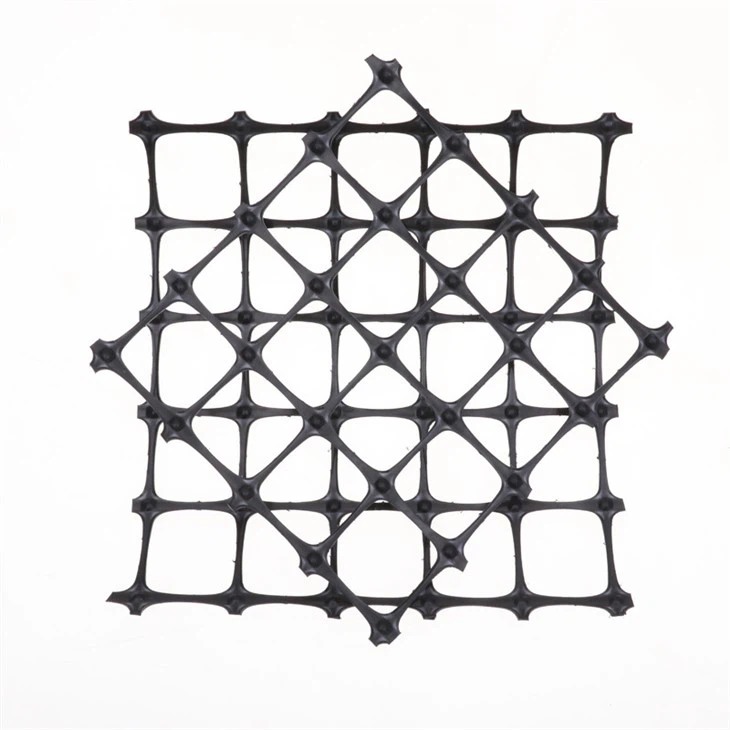

When planning for long - term storage, it's also important to consider the expected lifespan of the geogrid. Some geogrids may have a limited shelf life, and it's important to use them before they reach the end of their useful storage period. Our Steel Plastic Geogrid For Reinforced Soil Retaining Wall System requires proper long - term storage to ensure that it can still perform well when used in a retaining wall project.
In conclusion, proper storage of biaxial geogrids is vital to maintain their quality, durability, and performance. By following these storage requirements, construction companies and project managers can ensure that the geogrids they use are in optimal condition, which in turn leads to better - performing civil engineering projects.
If you are looking for high - quality biaxial geogrids for your next project, we are here to offer you a wide range of products. Our team can provide you with detailed information on product specifications, installation guidelines, and, of course, proper storage recommendations. Contact us to start a procurement discussion and see how our biaxial geogrids can meet your needs.
References
- ASTM International. (Year). Standard Test Methods for Geosynthetics. ASTM Dxxx.
- Manual for the Use of Geosynthetics in Civil Engineering. Federal Highway Administration.


