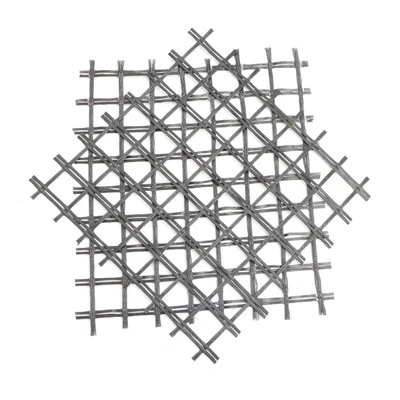
When it comes to geogrids in civil engineering applications, two prominent materials stand out: fiberglass and carbon fiber. As a fiberglass geogrids supplier, I've witnessed firsthand the significant role these products play in enhancing the performance and longevity of various infrastructure projects. In this blog, we'll delve into a detailed comparison between fiberglass geogrids and carbon fiber geogrids, exploring their properties, applications, advantages, and limitations.


Composition and Material Properties
Fiberglass geogrids are made from high - strength E - glass fibers, which are coated with a polymer to improve their bonding with asphalt and other construction materials. These glass fibers offer excellent tensile strength in the longitudinal and transverse directions, and the polymer coating provides chemical resistance and reduces the risk of fiber breakage during installation.
On the other hand, carbon fiber geogrids are crafted from carbon fibers, which are known for their extremely high strength - to - weight ratio. Carbon fibers are composed of carbon atoms bonded together in microcrystalline structures, resulting in a material that is both lightweight and incredibly strong.
In terms of tensile strength, carbon fiber geogrids generally have a higher strength capacity compared to fiberglass geogrids. However, fiberglass geogrids still provide sufficient strength for a wide range of applications. The tensile strength of fiberglass geogrids can vary depending on the manufacturing process and the specific design, but they typically offer good reinforcement capabilities for roadways, retaining walls, and other construction projects.
Cost - Effectiveness
One of the most significant factors in any construction project is cost. Fiberglass geogrids are generally more cost - effective than carbon fiber geogrids. The raw materials used to produce fiberglass are more readily available and less expensive than those for carbon fiber. Additionally, the manufacturing process for fiberglass geogrids is relatively simpler and more established, which further contributes to their lower cost.
For many construction projects, especially those with budget constraints, fiberglass geogrids offer an economical solution without sacrificing too much in terms of performance. They can effectively reinforce soil, prevent cracking in asphalt pavements, and enhance the stability of various structures at a fraction of the cost of carbon fiber geogrids.
Chemical Resistance
Fiberglass geogrids have excellent chemical resistance, which makes them suitable for use in a variety of environments. The polymer coating on the glass fibers protects them from corrosion caused by chemicals, such as acids, alkalis, and salts commonly found in soils and construction materials.
Carbon fiber geogrids also have good chemical resistance properties. However, under certain extreme chemical conditions, carbon fiber may be more susceptible to oxidation or chemical reactions. In general, fiberglass geogrids can be a more reliable choice when the geogrid will be exposed to harsh chemical environments.
Applications
Road Construction
In road construction, both fiberglass and carbon fiber geogrids can be used to reinforce asphalt pavements. Fiberglass geogrids are widely used due to their cost - effectiveness and proven performance. They can prevent reflective cracking in asphalt overlays by distributing stress and reducing the transfer of cracks from the underlying layers.
For example, the Glass Fiber Geogrid and Asphalt Fiberglass Geogrid For Road Construction are specifically designed for road applications. They provide excellent reinforcement for municipal roads and highway overlays. The Fiberglass Geogrid For Municipal Roads and Fiberglass Geogrid For Highway Overlay are engineered to meet the specific requirements of these types of road projects.
Carbon fiber geogrids, with their higher strength, are often used in high - traffic roads or areas where superior reinforcement is needed. However, their higher cost may limit their widespread use in general road construction projects.
Retaining Walls
Fiberglass geogrids can be used to reinforce soil in retaining walls. They help to increase the stability of the soil mass by providing tensile strength and distributing the lateral forces. The Fiberglass Reinforced Geogrid can be an ideal choice for this application. It is easy to install and can effectively improve the performance of the retaining wall.
Carbon fiber geogrids can also be used in retaining walls, especially in projects where weight reduction is a critical factor. However, their cost - to - benefit ratio needs to be carefully considered, as the construction of retaining walls may not always require the extremely high strength provided by carbon fiber.
Installation and Handling
Fiberglass geogrids are relatively easy to install. They are lightweight and can be rolled out easily on the construction site. The geogrid can be simply unrolled over the prepared surface and then secured with staples or other fasteners. The flexibility of fiberglass geogrids also allows them to conform to the shape of the underlying surface, ensuring good contact and bonding.
Carbon fiber geogrids, on the other hand, require more careful handling during installation. Due to their high strength and stiffness, they may be more difficult to cut and shape on - site. Additionally, carbon fiber is a conductive material, which may require special precautions during installation to avoid electrical hazards in certain environments.
Durability
Both fiberglass and carbon fiber geogrids offer good durability. Fiberglass geogrids have a proven track record of long - term performance in various construction projects. The polymer coating on the glass fibers protects them from environmental factors such as UV radiation, moisture, and temperature variations, which can extend their service life.
Carbon fiber geogrids also have high durability, thanks to the inherent properties of carbon fiber. However, they may be more sensitive to abrasion during installation and use. In some cases, proper protection measures may need to be taken to ensure their long - term durability.
Conclusion
In summary, both fiberglass geogrids and carbon fiber geogrids have their own unique advantages and limitations. Fiberglass geogrids are cost - effective, easy to install, and offer good chemical resistance and durability, making them a popular choice for a wide range of construction applications, especially in road construction and soil reinforcement. Carbon fiber geogrids, with their high strength - to - weight ratio, are suitable for projects where superior strength is required, but their higher cost may limit their use to specialized applications.
As a fiberglass geogrids supplier, I believe that fiberglass geogrids provide an excellent balance of performance and cost for most construction projects. If you're considering using geogrids in your next project and would like to learn more about our fiberglass geogrid products, or if you're interested in a purchasing discussion, feel free to reach out. We'll be delighted to assist you in choosing the most suitable geogrid solution for your specific needs.
References
- Smith, J. (2018). Geogrids in Civil Engineering. New York: Wiley.
- Brown, R. (2020). Comparison of Fiberglass and Carbon Fiber Materials in Construction. Journal of Construction Materials, 25, 123 - 135.
- Johnson, A. (2021). Applications of Geogrids in Road Construction. Civil Engineering Review, 32, 45 - 56.