
Soil reinforcement is a critical aspect of engineering, especially when it comes to retaining structures. Geogrids, as a key tool in soil reinforcement, play an indispensable role in enhancing the stability and performance of these structures. As a geogrids supplier, I am excited to share with you how geogrids work in soil reinforcement for retaining structures.
The Basics of Geogrids
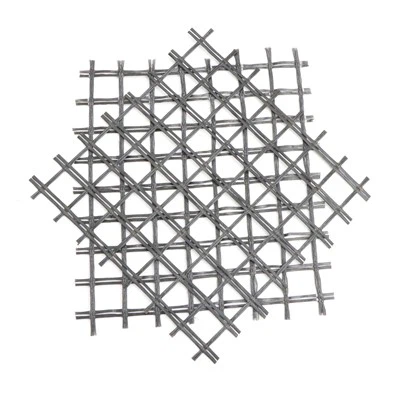
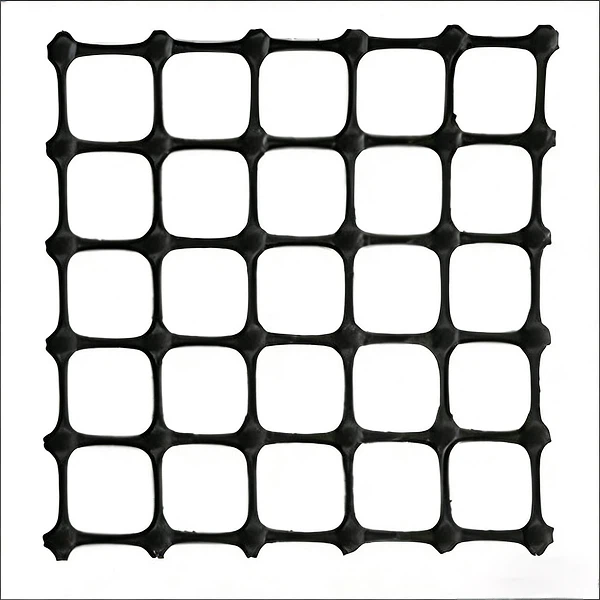
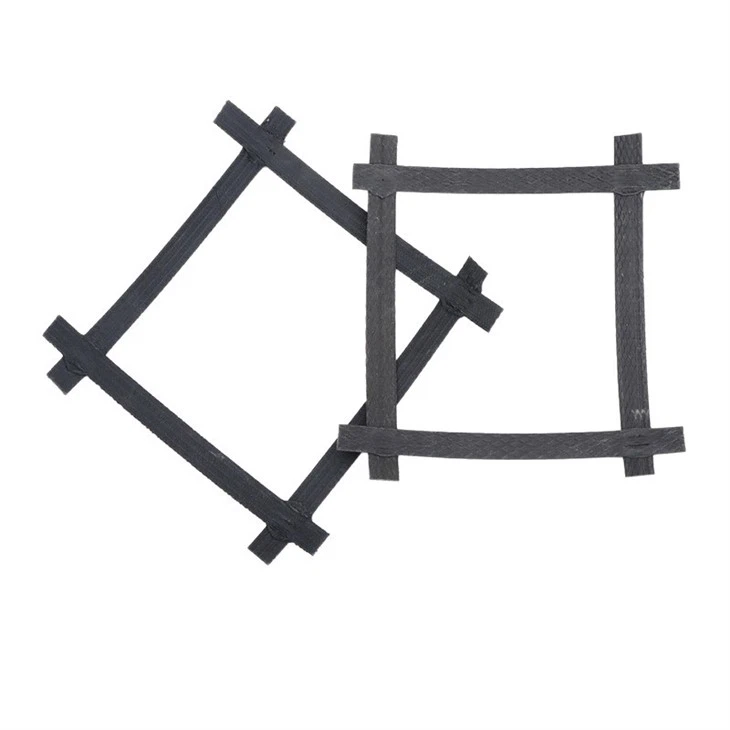
Geogrids are planar, polymeric materials with a regular network of apertures. They are typically made from materials such as high - density polyethylene (HDPE), polypropylene (PP), fiberglass, or steel - plastic composites. The structure of geogrids consists of ribs and nodes, which form a grid - like pattern. This unique structure allows geogrids to interact with soil particles in a way that significantly improves the soil's mechanical properties.
Mechanisms of Geogrid - Soil Interaction
Frictional Resistance
One of the primary ways geogrids work in soil reinforcement is through frictional resistance. When geogrids are placed within the soil, the ribs and nodes of the geogrid come into contact with the soil particles. As the soil tries to move, the frictional forces between the geogrid and the soil particles prevent the soil from sliding or deforming. For example, in a retaining wall, the soil behind the wall has a tendency to push against the wall due to its self - weight and external loads. The geogrid placed within the soil creates frictional resistance, which helps to hold the soil in place and reduces the lateral pressure on the retaining wall.
Interlocking
Geogrids also work through interlocking with the soil. The apertures in the geogrid allow soil particles to penetrate and fill the spaces. This creates a mechanical interlock between the geogrid and the soil. As a result, the geogrid and the soil act as a composite material, with the geogrid providing additional strength and stability. In a slope reinforcement application, the interlocking of the geogrid with the soil helps to prevent slope failure by distributing the forces acting on the slope more evenly.
Tensile Strength
Geogrids have high tensile strength, which means they can resist pulling forces. When placed in the soil, the geogrid can transfer the tensile forces from the soil to itself. In a retaining structure, the geogrid can withstand the tensile stresses generated by the soil movement. For instance, in a reinforced soil wall, the geogrid is anchored at the back of the wall and extends into the soil. As the soil tries to move outward, the geogrid resists the pulling force, thereby maintaining the stability of the wall.
Applications in Retaining Structures
Reinforced Soil Walls
Reinforced soil walls are one of the most common applications of geogrids in retaining structures. In a reinforced soil wall, layers of geogrid are placed within the soil at regular intervals. The geogrid reinforces the soil, increasing its shear strength and reducing the lateral pressure on the wall facing. This allows for the construction of taller and more stable walls. Our Steel - plastic Composite Geogrid is particularly suitable for this application, as it combines the high strength of steel with the corrosion resistance of plastic.
Embankments
Geogrids are also used in embankment construction. When building an embankment on soft ground, the soil may not have sufficient bearing capacity to support the weight of the embankment. By placing geogrids within the soil, the geogrid distributes the load over a larger area, reducing the stress on the underlying soil. Our BX Geogrids For Ground Stabilisation are designed to provide excellent ground stabilisation in embankment projects.
Slope Stabilization
In slope stabilization projects, geogrids help to prevent soil erosion and slope failure. The geogrid is installed on the slope surface or within the soil mass. The frictional resistance and interlocking of the geogrid with the soil prevent the soil from sliding down the slope. Our Fiberglass Reinforced Geogrid is a great choice for slope stabilization due to its high strength and durability.
Advantages of Using Geogrids in Retaining Structures
Cost - Effectiveness
Using geogrids in retaining structures can be cost - effective. Compared to traditional retaining structures such as concrete walls, geogrid - reinforced structures require less material and labor. The reduced material usage and simplified construction process can lead to significant cost savings.
Flexibility
Geogrids offer flexibility in design and construction. They can be easily cut and installed to fit different site conditions and project requirements. This flexibility allows engineers to design retaining structures that are tailored to the specific needs of the project.
Environmental Friendliness
Geogrids are often made from recyclable materials, which makes them an environmentally friendly option. Additionally, the use of geogrids can reduce the amount of excavation and the need for large - scale concrete structures, minimizing the environmental impact of the project.
Factors Affecting Geogrid Performance
Soil Properties
The properties of the soil, such as particle size, density, and moisture content, can affect the performance of geogrids. For example, in cohesive soils, the frictional resistance between the geogrid and the soil may be lower compared to granular soils. Engineers need to consider the soil properties when selecting the appropriate geogrid for a project.
Geogrid Properties
The properties of the geogrid, including its tensile strength, aperture size, and rib thickness, also play a crucial role in its performance. Different types of geogrids are suitable for different applications. For instance, a geogrid with a larger aperture size may be more suitable for coarse - grained soils, while a geogrid with a higher tensile strength may be required for high - load applications.
Installation Quality
Proper installation of geogrids is essential for their performance. The geogrid should be placed at the correct depth, with proper overlap and anchorage. Any errors in installation can reduce the effectiveness of the geogrid and compromise the stability of the retaining structure.
Contact for Purchase and Consultation
If you are interested in using geogrids for your soil reinforcement projects, we are here to help. Our team of experts can provide you with detailed information about our geogrid products, including their specifications, applications, and installation requirements. We can also offer customized solutions based on your specific project needs. Whether you are working on a small - scale residential project or a large - scale commercial development, we have the right geogrid products for you. Contact us today to start the procurement process and discuss your project requirements.
References
- Koerner, R. M. (2012). Designing with Geosynthetics. Pearson Prentice Hall.
- Bonaparte, R., & Chen, R. (2008). Geosynthetics in Civil Engineering. CRC Press.
- Allen, T. M., & Bathurst, R. J. (2002). Geosynthetic - reinforced soil walls and slopes: Design and construction guidelines. Federal Highway Administration.