
Landfills are an essential part of waste management systems worldwide. However, the stability of landfill slopes is a critical concern due to the potential for slope failures, which can lead to environmental hazards, property damage, and even loss of life. Uniaxial geogrids have emerged as a reliable solution to enhance the stability of landfill slopes. As a leading uniaxial geogrid supplier, I will delve into how these geogrids improve the stability of landfill slopes.
Understanding the Challenges of Landfill Slope Stability
Landfill slopes face numerous challenges that can compromise their stability. The weight of the waste, combined with the effects of weathering, settlement, and seismic activity, can lead to slope failures. Additionally, the presence of leachate, a liquid that forms as water percolates through the waste, can increase pore water pressure and reduce the shear strength of the soil, further exacerbating the stability issues.
How Uniaxial Geogrids Work
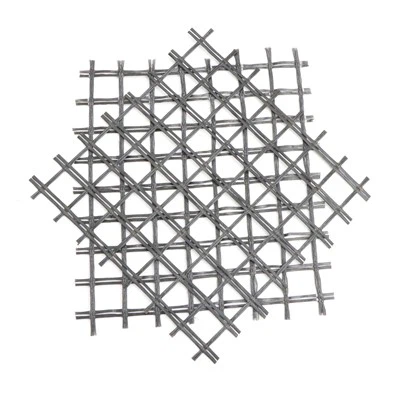
Uniaxial geogrids are high-strength geosynthetic materials made from polymers such as high-density polyethylene (HDPE) or polyester. They are characterized by a series of parallel ribs that provide high tensile strength in one direction. When installed in a landfill slope, uniaxial geogrids work in several ways to improve stability:
Reinforcement
One of the primary functions of uniaxial geogrids is to reinforce the soil. The geogrid is placed within the soil mass, and its ribs interlock with the soil particles. This interlocking mechanism distributes the applied loads more evenly, increasing the overall shear strength of the soil. As a result, the geogrid helps to prevent soil movement and sliding, reducing the risk of slope failure.
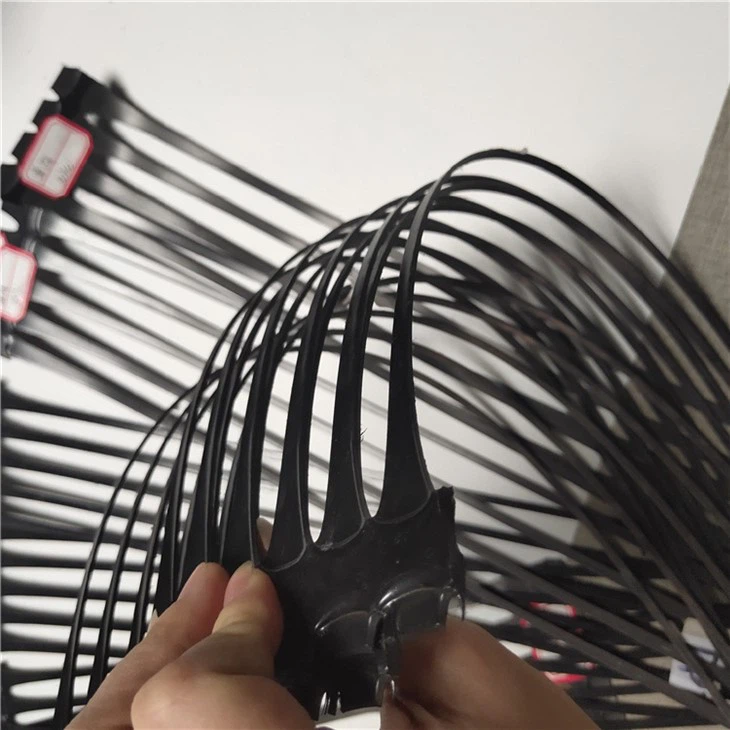

For example, Hdpe Uniaxial Geogrid is designed to provide high tensile strength and excellent resistance to environmental factors. Its unique structure allows it to effectively reinforce the soil, making it an ideal choice for landfill slope stabilization.
Soil Retention
Uniaxial geogrids also play a crucial role in soil retention. By confining the soil particles, the geogrid prevents them from being washed away by rainfall or other erosive forces. This is particularly important in landfill slopes, where the soil is often loose and prone to erosion. The geogrid acts as a barrier, holding the soil in place and maintaining the integrity of the slope.
Drainage
In addition to reinforcement and soil retention, uniaxial geogrids can improve the drainage properties of the landfill slope. The open structure of the geogrid allows water to flow through, reducing the pore water pressure within the soil. This helps to prevent the build-up of excess water, which can weaken the soil and increase the risk of slope failure.
Types of Uniaxial Geogrids for Landfill Slope Stabilization
There are different types of uniaxial geogrids available, each with its own unique properties and applications. Two common types used for landfill slope stabilization are HDPE uniaxial geogrids and polyester uniaxial geogrids.
HDPE Uniaxial Geogrids
HDPE uniaxial geogrids are known for their high strength, durability, and resistance to chemical and environmental degradation. They are suitable for a wide range of landfill applications, including slope stabilization, reinforcement of waste containment systems, and erosion control. The high tensile strength of HDPE geogrids allows them to withstand the large loads and stresses associated with landfill operations.
Polyester Uniaxial Geogrids
Polyester uniaxial geogrids offer excellent creep resistance and high modulus of elasticity. They are often used in applications where long-term performance is critical, such as landfill slopes that require long-term stability. Polyester geogrids are also resistant to biological degradation, making them suitable for use in landfill environments. You can learn more about Polyester Uniaxial Geogrid on our website.
Installation of Uniaxial Geogrids in Landfill Slopes
Proper installation of uniaxial geogrids is crucial to ensure their effectiveness in improving landfill slope stability. The following steps are typically involved in the installation process:
- Site Preparation: The landfill slope is first cleared of any debris, vegetation, or loose soil. The surface is then graded to the desired slope angle.
- Geogrid Placement: The uniaxial geogrid is unrolled along the slope, with the ribs oriented in the direction of the maximum tensile stress. The geogrid is secured in place using stakes or other anchoring methods.
- Soil Placement: A layer of soil is placed on top of the geogrid and compacted to ensure good contact between the soil and the geogrid. Additional layers of geogrid and soil may be added as needed to achieve the desired level of reinforcement.
- Surface Protection: Once the geogrid and soil layers are in place, a surface layer of soil or other protective material is applied to prevent erosion and damage to the geogrid.
Benefits of Using Uniaxial Geogrids in Landfill Slopes
The use of uniaxial geogrids in landfill slopes offers several benefits, including:
Improved Stability
By reinforcing the soil and distributing the applied loads, uniaxial geogrids significantly improve the stability of landfill slopes. This reduces the risk of slope failures, protecting the environment and nearby communities.
Cost-Effectiveness
Compared to traditional methods of slope stabilization, such as retaining walls or soil nailing, uniaxial geogrids are often more cost-effective. They require less material and labor, and their installation is relatively quick and easy.
Environmental Sustainability
Uniaxial geogrids are made from recyclable materials and have a low environmental impact. They help to reduce the need for excavation and the use of non-renewable resources, making them a sustainable solution for landfill slope stabilization.
Long-Term Performance
Uniaxial geogrids are designed to provide long-term performance in landfill environments. They are resistant to chemical and biological degradation, ensuring that they maintain their strength and integrity over time.
Case Studies
Numerous case studies have demonstrated the effectiveness of uniaxial geogrids in improving landfill slope stability. For example, in a landfill in [Location], the installation of Uniaxial Geogrid For Slope Stabilization helped to prevent slope failures and reduce the risk of environmental contamination. The geogrid was installed in multiple layers, providing reinforcement and soil retention. As a result, the landfill slope remained stable even during heavy rainfall and seismic activity.
Conclusion
Uniaxial geogrids are a valuable tool for improving the stability of landfill slopes. Their ability to reinforce the soil, retain soil particles, and improve drainage makes them an effective solution for preventing slope failures and protecting the environment. As a uniaxial geogrid supplier, we are committed to providing high-quality products and technical support to our customers. If you are interested in using uniaxial geogrids for your landfill slope stabilization project, please contact us to discuss your specific requirements. We look forward to working with you to ensure the success of your project.
References
- Koerner, R. M. (2012). Designing with Geosynthetics. Pearson Prentice Hall.
- Bonaparte, R., & Daniel, D. E. (1996). Geosynthetics in landfill liners and covers. Journal of Geotechnical and Geoenvironmental Engineering, 122(11), 913-922.
- Giroud, J. P., & Bonaparte, R. (1989). Design of geosynthetic-reinforced soil structures. Journal of Geotechnical Engineering, 115(6), 843-861.