
How does Biaxial Plastic Geogrid work in embankment construction?
In the realm of modern civil engineering, embankment construction is a fundamental and critical task. The stability and durability of embankments are of utmost importance for various infrastructure projects, such as roads, railways, and dams. One innovative solution that has revolutionized embankment construction is the Biaxial Plastic Geogrid. As a supplier of Biaxial Plastic Geogrid, I am excited to share with you how this remarkable product functions in embankment construction.
The Basics of Biaxial Plastic Geogrid
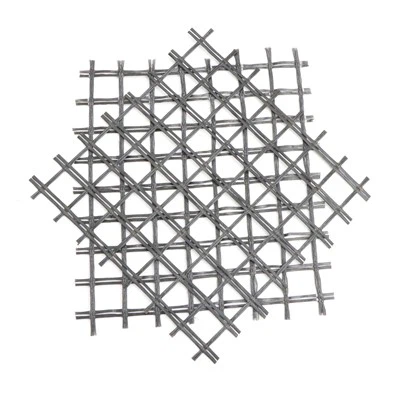
Biaxial Plastic Geogrid is a high - strength geosynthetic material made from polymers, typically polypropylene (PP). The PP Biaxial Geogrid is a popular type of biaxial geogrid due to its excellent mechanical properties, chemical resistance, and cost - effectiveness. It is characterized by a grid - like structure with apertures that allow soil particles to interlock with the grid, creating a composite system.
The biaxial nature of the geogrid means that it has significant strength in both the longitudinal and transverse directions. This is in contrast to uniaxial geogrids, which mainly provide strength in one direction. The Bx Geogrid is a typical example of a high - quality biaxial plastic geogrid, designed to withstand high loads and distribute forces evenly.
Mechanisms of Biaxial Plastic Geogrid in Embankment Construction
Reinforcement
One of the primary functions of Biaxial Plastic Geogrid in embankment construction is reinforcement. When placed within the embankment soil, the geogrid acts as a reinforcement element, increasing the overall strength and stability of the embankment. The soil particles interlock with the grid's apertures, creating a composite structure. This composite structure can resist tensile forces, preventing soil movement and deformation.


For example, in a road embankment, the Biaxial Plastic Geogrid can help distribute the traffic loads more evenly across the embankment. As vehicles pass over the road, the geogrid reduces the stress concentration on the soil, minimizing the risk of rutting and cracking. The interlocking of soil and geogrid also enhances the shear strength of the embankment, making it more resistant to slope failures.
Load Distribution
Biaxial Plastic Geogrid plays a crucial role in load distribution. When a load is applied to the embankment, the geogrid spreads the load over a larger area. This is because the geogrid has high tensile strength in both directions, which allows it to transfer the load laterally. In a railway embankment, for instance, the geogrid can distribute the dynamic loads generated by passing trains. By spreading the load, the geogrid reduces the pressure on the underlying soil, preventing excessive settlement and ensuring the long - term stability of the embankment.
Erosion Control
Another important function of Biaxial Plastic Geogrid in embankment construction is erosion control. The geogrid can help stabilize the soil on the embankment slopes, preventing soil erosion caused by wind and water. The grid structure holds the soil in place, reducing the risk of surface runoff and soil displacement.
In areas with high rainfall or strong winds, the Biaxial Plastic Geogrid can be installed on the embankment slopes to protect the soil. The geogrid's apertures allow vegetation to grow through, which further enhances the erosion - control effect. Vegetation roots help bind the soil, and the geogrid provides additional support, creating a more stable slope.
Installation of Biaxial Plastic Geogrid in Embankment Construction
The proper installation of Biaxial Plastic Geogrid is crucial for its effective performance in embankment construction. Here are the general steps for installing the geogrid:
- Site Preparation: The embankment site should be properly graded and compacted to ensure a smooth and stable surface. Any large rocks, debris, or organic matter should be removed.
- Geogrid Placement: The Biaxial Plastic Geogrid is unrolled and placed on the prepared surface. The geogrid should be laid flat and aligned in the desired direction. Adjacent geogrid rolls should be overlapped by a sufficient amount (usually recommended by the manufacturer) to ensure proper connection.
- Securing the Geogrid: The geogrid can be secured using stakes or pins. The stakes should be driven into the soil at regular intervals to prevent the geogrid from shifting during construction or under load.
- Backfilling: After the geogrid is installed, soil is backfilled over the geogrid. The soil should be placed in layers and compacted to achieve the desired density. Care should be taken not to damage the geogrid during the backfilling process.
Benefits of Using Biaxial Plastic Geogrid in Embankment Construction
There are numerous benefits of using Biaxial Plastic Geogrid in embankment construction:
- Cost - Effectiveness: Compared to traditional methods of embankment reinforcement, such as using concrete or steel, Biaxial Plastic Geogrid is more cost - effective. It requires less material and labor for installation, reducing the overall construction cost.
- Long - Term Durability: Biaxial Plastic Geogrid is resistant to corrosion, chemicals, and UV radiation. This ensures its long - term durability in various environmental conditions, reducing the need for frequent maintenance and replacement.
- Improved Stability: By providing reinforcement, load distribution, and erosion control, the geogrid significantly improves the stability of the embankment. This reduces the risk of slope failures, settlement, and other structural problems, ensuring the safety and functionality of the infrastructure.
- Environmental Friendliness: The use of Biaxial Plastic Geogrid can be environmentally friendly. It allows for the growth of vegetation, which helps improve the ecological balance of the area. Additionally, the reduced use of traditional construction materials can lower the carbon footprint of the project.
Conclusion
In conclusion, Biaxial Plastic Geogrid is a highly effective solution for embankment construction. Its unique properties, such as high strength in both directions, load - distribution capabilities, and erosion - control features, make it an ideal choice for enhancing the stability and durability of embankments. As a supplier of Biaxial Plastic Geogrid, we are committed to providing high - quality products and technical support to our customers.
If you are involved in an embankment construction project and are interested in using Biaxial Plastic Geogrid, we invite you to contact us for more information and to discuss your specific requirements. Our team of experts is ready to assist you in choosing the right geogrid product and providing guidance on installation and application.
References
- Koerner, R. M. (2012). Designing with Geosynthetics. Pearson.
- Bonaparte, R., & Christopher, B. R. (1991). Geosynthetics in geotechnical engineering. Journal of Geotechnical Engineering, 117(5), 727 - 758.
- Giroud, J. P., & Han, J. (2004). Design and construction guidelines for mechanically stabilized earth walls and reinforced soil slopes. FHWA - IF - 04 - 025.