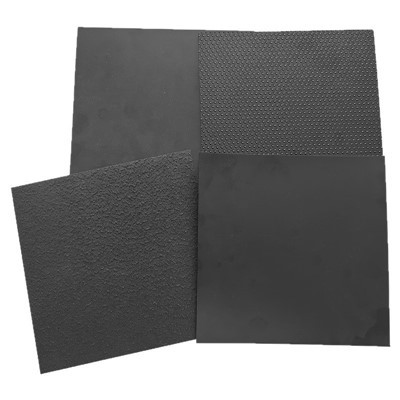
As a geonet supplier, I've witnessed firsthand how geonets are revolutionizing precision agriculture. Precision agriculture is an approach that uses technology to optimize crop production, reduce waste, and improve overall efficiency. Geonets play a crucial role in this process by providing a range of benefits that support the health and growth of crops.
Soil Stabilization and Erosion Control
One of the primary functions of geonets in precision agriculture is soil stabilization and erosion control. In large - scale farming, soil erosion can be a significant problem, leading to the loss of topsoil, nutrients, and water. Geonets, such as the 3D Composite Geonet, are designed to interlock with the soil particles. The three - dimensional structure of the 3D composite geonet creates a stable matrix that holds the soil in place. This is especially important on sloped fields where water runoff can quickly carry away valuable topsoil.
When heavy rainfall occurs, the geonet acts as a barrier, slowing down the flow of water and preventing it from washing away the soil. By reducing soil erosion, geonets help maintain the integrity of the soil structure, ensuring that crops have a stable foundation to grow. This is essential for the long - term productivity of the farm, as healthy soil is the key to successful crop growth.
Drainage Management
Proper drainage is another critical aspect of precision agriculture. Excess water in the soil can lead to waterlogging, which deprives the roots of oxygen and can cause root rot. Geonets, like the Composite Drainage Geonet, are excellent at facilitating drainage.


The composite drainage geonet has a high - flow capacity, allowing water to move through the soil and away from the root zone. It consists of a core layer and a filter fabric, which works together to prevent clogging. The core layer provides a channel for water to flow, while the filter fabric prevents soil particles from entering and blocking the drainage path. This efficient drainage system helps to maintain the optimal moisture level in the soil, promoting healthy root growth and reducing the risk of water - related diseases.
Root Support and Growth
Geonets also provide support for plant roots. The open structure of geonets allows roots to penetrate and grow through them. This is beneficial for crops as it gives the roots a stable structure to anchor themselves, especially in loose or sandy soils. The High Strength HDPE Geonet is made of high - density polyethylene, which is strong and durable.
The high - strength HDPE geonet can withstand the pressure exerted by the growing roots and the weight of the soil. It provides a framework that encourages root growth and development. As the roots grow through the geonet, they become more spread out and stronger, which helps the plants to better access nutrients and water from the soil. This, in turn, leads to healthier and more productive crops.
Nutrient Retention
In precision agriculture, efficient nutrient management is crucial. Geonets can help in retaining nutrients in the soil. The geonet structure can trap and hold onto nutrients, preventing them from being washed away by water runoff. When fertilizers are applied to the soil, the geonet can slow down the leaching process, ensuring that the nutrients remain in the root zone for a longer period.
This is particularly important in areas with heavy rainfall or in fields with poor soil fertility. By retaining nutrients, geonets help to reduce the need for excessive fertilizer application, which not only saves costs but also reduces the environmental impact of agriculture.
Monitoring and Data Collection
Modern geonets can be integrated with sensors and monitoring systems. These sensors can collect data on soil moisture, temperature, and nutrient levels. This data can then be analyzed to make informed decisions about irrigation, fertilization, and other farming practices.
For example, if the sensors detect that the soil moisture is too low, the farmer can adjust the irrigation system accordingly. Similarly, if the nutrient levels are found to be insufficient, the appropriate fertilizers can be applied. This real - time data collection and analysis are essential for precision agriculture, as they allow farmers to optimize their operations and improve crop yields.
Cost - Effectiveness
Geonets are a cost - effective solution for precision agriculture. They have a long lifespan, which means that they do not need to be replaced frequently. The initial investment in geonets is offset by the long - term benefits they provide, such as reduced soil erosion, improved drainage, and enhanced crop productivity.
By reducing the need for additional soil amendments and fertilizers, geonets can also save farmers money in the long run. Additionally, the improved crop yields can lead to higher profits, making geonets a valuable investment for any precision agriculture operation.
Environmental Benefits
Geonets contribute to environmental sustainability in precision agriculture. By reducing soil erosion, they help to prevent sediment from entering waterways, which can have a negative impact on aquatic ecosystems. The efficient drainage provided by geonets also reduces the risk of water pollution from agricultural runoff.
Furthermore, the reduced use of fertilizers and pesticides due to better nutrient management and pest control associated with geonets helps to minimize the environmental footprint of agriculture. This is in line with the growing trend towards sustainable farming practices.
Integration with Other Precision Agriculture Technologies
Geonets can be easily integrated with other precision agriculture technologies. For example, they can be used in conjunction with automated irrigation systems. The data collected from the sensors in the geonets can be used to control the irrigation system, ensuring that the crops receive the right amount of water at the right time.
They can also be combined with drones and satellite imagery. Drones can be used to monitor the condition of the geonets and the crops, while satellite imagery can provide a broader view of the entire farm. This integration of different technologies enhances the overall efficiency and effectiveness of precision agriculture.
Conclusion
In conclusion, geonets play a vital role in supporting precision agriculture. From soil stabilization and erosion control to drainage management, root support, and nutrient retention, geonets offer a range of benefits that contribute to the success of modern farming practices. Their cost - effectiveness, environmental benefits, and ability to integrate with other technologies make them an essential component of precision agriculture.
If you are interested in incorporating geonets into your precision agriculture operations, I encourage you to reach out for a detailed discussion. We can provide you with the right geonet solutions tailored to your specific needs. Whether you need a 3D Composite Geonet, a Composite Drainage Geonet, or a High Strength HDPE Geonet, we have the expertise and products to support your farming goals.
References
- Smith, J. (2020). Precision Agriculture: A Review. Journal of Agricultural Science, 158(2), 123 - 135.
- Johnson, A. (2019). Geonets in Agricultural Applications. Geosynthetics International, 26(3), 210 - 220.
- Brown, C. (2018). Soil Erosion and Its Control in Precision Agriculture. Agricultural Research, 67(4), 345 - 356.