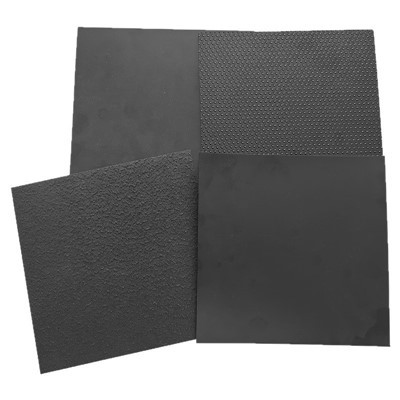

The improper disposal of industrial waste poses a significant threat to the environment, including soil contamination, groundwater pollution, and ecological damage. PVC geomembrane has emerged as a reliable solution to prevent the leakage of industrial waste. As a leading PVC geomembrane supplier, we understand the importance of this material in environmental protection. In this blog, we will explore how PVC geomembrane effectively prevents the leakage of industrial waste.
Understanding PVC Geomembrane
PVC geomembrane is a synthetic membrane made from polyvinyl chloride (PVC). It is known for its high flexibility, durability, and chemical resistance. These properties make it an ideal material for various applications, including waste containment, water storage, and environmental protection. Our company offers a wide range of PVC geomembrane products, such as Smooth Flexible PVC Geomembrane Liner, PVC Pond Liner Geomembrane, Flexible PVC Geomembrane For Artificial Lake Project, Waterproof PVC Membrane For Tunnel & Roofing, and PVC Geomembrane Liner.
Physical Barrier
The primary function of PVC geomembrane in preventing industrial waste leakage is to act as a physical barrier. When installed correctly, it forms a continuous and impermeable layer between the industrial waste and the surrounding environment. This layer effectively blocks the passage of liquids and gases, preventing them from seeping into the soil and groundwater.
The high density and low porosity of PVC geomembrane contribute to its excellent barrier properties. The material is tightly woven or extruded to create a dense structure that resists the penetration of contaminants. Additionally, PVC geomembrane can be customized to meet specific project requirements, such as thickness and strength, to ensure optimal performance.
Chemical Resistance
Industrial waste often contains a variety of chemicals, including acids, alkalis, and heavy metals. These chemicals can be highly corrosive and can cause damage to traditional containment materials. However, PVC geomembrane exhibits excellent chemical resistance, making it suitable for use in harsh chemical environments.
The chemical structure of PVC provides inherent resistance to many chemicals. It is able to withstand the attack of acids, alkalis, and other corrosive substances without significant degradation. This property ensures that the geomembrane remains intact and effective in preventing the leakage of industrial waste over an extended period.
Flexibility and Adaptability
Another advantage of PVC geomembrane is its flexibility and adaptability. It can be easily installed on various surfaces, including irregular and uneven terrains. This makes it suitable for use in different types of waste containment facilities, such as landfills, lagoons, and storage tanks.

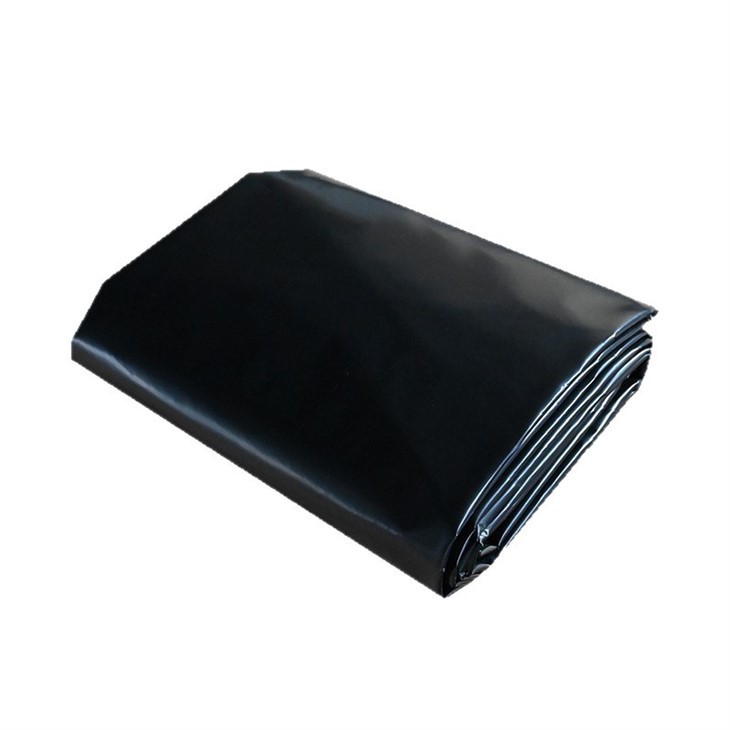
The flexibility of PVC geomembrane also allows it to adapt to changes in the environment, such as ground settlement and temperature fluctuations. It can stretch and bend without cracking or tearing, ensuring the integrity of the barrier system. This is particularly important in areas where the ground is unstable or subject to seismic activity.
Seaming and Installation Techniques
The effectiveness of PVC geomembrane in preventing industrial waste leakage also depends on proper seaming and installation techniques. Our company has a team of experienced professionals who are trained in the installation of PVC geomembrane. We use advanced seaming methods, such as heat welding and adhesive bonding, to ensure a strong and leak-proof connection between the geomembrane sheets.
During the installation process, we also pay close attention to the preparation of the substrate. The surface must be clean, smooth, and free of any sharp objects or debris that could damage the geomembrane. We also ensure that the geomembrane is properly anchored and secured to prevent movement and displacement.
Long - term Durability
PVC geomembrane is designed to have a long service life. It can resist the effects of UV radiation, oxidation, and biological degradation. This means that it can maintain its performance and integrity for many years, even in harsh outdoor environments.
The long - term durability of PVC geomembrane reduces the need for frequent replacements and repairs, saving both time and money in the long run. It also provides a reliable and sustainable solution for the containment of industrial waste, ensuring the protection of the environment over an extended period.
Case Studies
To illustrate the effectiveness of PVC geomembrane in preventing industrial waste leakage, let's look at some real - life case studies. In a large industrial landfill project, our PVC geomembrane was installed as a liner to prevent the leakage of leachate. After several years of operation, monitoring data showed that the geomembrane had effectively contained the leachate, preventing it from contaminating the surrounding soil and groundwater.
In another case, a chemical storage facility used our PVC geomembrane to line the storage tanks. The geomembrane's chemical resistance ensured that it could withstand the corrosive chemicals stored in the tanks, and no leakage was detected during the inspection.
Conclusion
In conclusion, PVC geomembrane is an effective solution for preventing the leakage of industrial waste. Its physical barrier properties, chemical resistance, flexibility, and long - term durability make it an ideal choice for waste containment applications. As a PVC geomembrane supplier, we are committed to providing high - quality products and professional installation services to ensure the protection of the environment.
If you are looking for a reliable solution to prevent the leakage of industrial waste, we invite you to contact us for more information and to discuss your specific project requirements. Our team of experts is ready to assist you in finding the most suitable PVC geomembrane product for your needs.
References
- Rowe, R. K. (2012). Geosynthetics in waste containment facilities. CRC Press.
- Koerner, R. M. (2012). Designing with geosynthetics. Pearson.