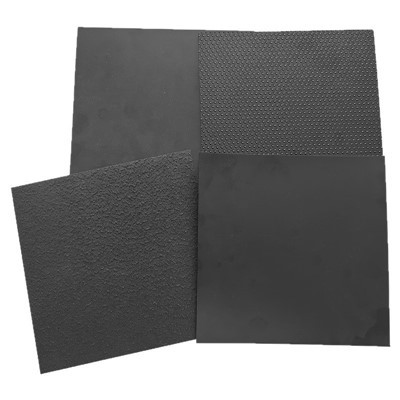
Geomembranes are synthetic membranes used in various applications, including waste containment, landfill liner systems, and water management. They are designed to provide a reliable barrier against the migration of liquids and gases. However, like any other material, geomembranes can fail over time due to a variety of factors. As a geomembrane supplier, it's crucial for us to understand the signs of geomembrane failure to help our customers identify and address issues promptly. In this blog, we'll explore the common signs of geomembrane failure and discuss how to prevent them.
Physical Damage
One of the most obvious signs of geomembrane failure is physical damage. This can occur during installation, construction, or normal use. Signs of physical damage include cuts, tears, punctures, and abrasions. These damages can compromise the integrity of the geomembrane, allowing liquids and gases to seep through.
- Installation Damage: During installation, the geomembrane can be damaged by sharp objects such as rocks, construction equipment, or tools. For example, if heavy machinery is used on the geomembrane without proper protection, it can cause cuts or tears. To prevent installation damage, it's essential to prepare the installation site properly, removing any sharp objects and providing a smooth surface for the geomembrane.
- Construction Damage: Construction activities near the geomembrane, such as excavation or backfilling, can also cause damage. For instance, if a backhoe accidentally hits the geomembrane during backfilling, it can lead to punctures. To avoid construction damage, it's important to establish clear boundaries around the geomembrane area and ensure that all construction workers are aware of its location.
- Operational Damage: Once the geomembrane is in operation, it can be damaged by routine activities. For example, in a landfill, waste materials with sharp edges can puncture the geomembrane. Regular inspections can help detect operational damage early, allowing for timely repairs.
Chemical Degradation
Geomembranes are exposed to various chemicals in different applications. Over time, these chemicals can cause the geomembrane to degrade chemically, leading to failure. Signs of chemical degradation include discoloration, embrittlement, and loss of mechanical properties.


- Discoloration: Chemical exposure can cause the geomembrane to change color. For example, exposure to certain acids or alkalis may turn the geomembrane yellow or brown. Discoloration is often an early sign of chemical degradation and should be monitored closely.
- Embrittlement: As the geomembrane degrades chemically, it can become brittle and lose its flexibility. This makes it more prone to cracking and breaking. For instance, if a geomembrane used in a chemical storage facility becomes embrittled, it may not be able to withstand normal stress and strain, leading to failure.
- Loss of Mechanical Properties: Chemical degradation can also reduce the strength and elongation of the geomembrane. This means that the geomembrane may not be able to perform its intended function effectively. For example, a geomembrane with reduced strength may rupture under pressure, allowing liquids or gases to escape.
To prevent chemical degradation, it's important to select the appropriate geomembrane material based on the chemical environment. For example, Smooth HDPE Geomembrane For Waste Containment and UV Resistant HDPE Geomembrane are known for their chemical resistance and can be suitable for many applications.
Biological Attack
Biological organisms such as bacteria, fungi, and plants can also cause geomembrane failure. Biological attack can lead to the deterioration of the geomembrane material and the formation of holes or leaks.
- Bacteria and Fungi: Some bacteria and fungi can break down the polymers in the geomembrane, causing it to weaken. For example, in a landfill environment, certain bacteria can produce enzymes that degrade the geomembrane material. This can lead to a loss of strength and integrity over time.
- Plant Roots: Plant roots can penetrate the geomembrane, causing physical damage. In an environmental protection project, if vegetation is allowed to grow on or near the geomembrane, the roots can grow through the membrane, creating holes and allowing liquids to seep through.
To prevent biological attack, it's important to take measures such as preventing the growth of vegetation on the geomembrane and using geomembranes that are resistant to biological degradation. HDPE Geomembrane For Landfill Liner System and Geosynthetic Geomembrane are designed to be resistant to biological attack in many cases.
UV Degradation
Exposure to ultraviolet (UV) radiation from the sun can cause geomembranes to degrade. UV degradation can lead to a loss of mechanical properties, such as strength and elongation, and can also cause discoloration and cracking.
- Loss of Mechanical Properties: UV radiation can break the chemical bonds in the geomembrane material, reducing its strength and flexibility. This can make the geomembrane more susceptible to damage from other factors, such as physical stress or chemical exposure.
- Discoloration and Cracking: Long - term exposure to UV radiation can cause the geomembrane to turn yellow or brown and develop cracks. These cracks can provide pathways for liquids and gases to penetrate the geomembrane.
To prevent UV degradation, it's recommended to use geomembranes with UV stabilizers. UV Resistant HDPE Geomembrane is specifically designed to resist the harmful effects of UV radiation. Additionally, covering the geomembrane with soil or other protective materials can help reduce UV exposure.
Seam Failure
Seams are an important part of geomembrane installation. If the seams are not properly installed or maintained, they can become a weak point in the geomembrane system, leading to failure. Signs of seam failure include separation, leakage, and poor bond strength.
- Separation: Seam separation can occur due to improper welding or bonding techniques during installation. For example, if the welding temperature is not set correctly, the seam may not be properly fused, leading to separation over time.
- Leakage: A failed seam can allow liquids or gases to leak through. This can be detected by monitoring for signs of moisture or gas emissions near the seam area.
- Poor Bond Strength: Poor bond strength can make the seam more susceptible to damage from normal stress and strain. For example, in a landfill liner system, if the seam has poor bond strength, it may break under the weight of the waste materials.
To ensure proper seam installation, it's important to use qualified installers and follow the manufacturer's guidelines. Regular inspections of the seams can also help detect and address any issues early.
Monitoring and Prevention
To prevent geomembrane failure, it's essential to implement a comprehensive monitoring and maintenance program. This includes regular visual inspections, leak detection tests, and performance monitoring.
- Visual Inspections: Visual inspections can help detect signs of physical damage, discoloration, and other visible issues. Inspections should be carried out at regular intervals, especially after any significant construction or operational activities.
- Leak Detection Tests: Leak detection tests can help identify any leaks in the geomembrane system. There are various methods available for leak detection, including electrical leak location and pressure testing.
- Performance Monitoring: Performance monitoring involves measuring the physical and chemical properties of the geomembrane over time. This can help detect any changes in the geomembrane's performance and identify potential issues before they lead to failure.
As a geomembrane supplier, we offer a wide range of high - quality geomembranes, including Smooth HDPE Geomembrane For Waste Containment, HDPE Geomembrane For Landfill Liner System, Geosynthetic Geomembrane, Smooth Flexible PVC Geomembrane Liner, and UV Resistant HDPE Geomembrane. Our products are designed to meet the highest standards of quality and performance.
If you are in need of geomembranes for your projects or have any questions about geomembrane failure prevention, please feel free to contact us. We are here to provide you with the best solutions and support.
References
- Koerner, R. M. (2012). Designing with Geosynthetics. Pearson Prentice Hall.
- American Society for Testing and Materials. (2019). Standards related to geomembranes. ASTM International.
- Rowe, R. K., & Brachman, R. W. I. (2019). Geosynthetics in waste management: State of the art. Geotextiles and Geomembranes, 73, 1 - 20.