
Soil settlement is a widespread geological phenomenon and a common engineering problem in civil engineering, geotechnical engineering, and road construction. Excessive soil settlement can lead to uneven ground surfaces, damage to buildings and infrastructure, and pose significant challenges to project stability and safety. In addressing soil settlement issues, biaxial plastic geogrids have emerged as a highly effective solution with unique advantages and significant effects. As a leading supplier of biaxial plastic geogrids, we are committed to providing high - quality products and professional technical support to solve soil settlement problems in various engineering projects.
Biaxial Plastic Geogrid Structure and its Mechanism of Action
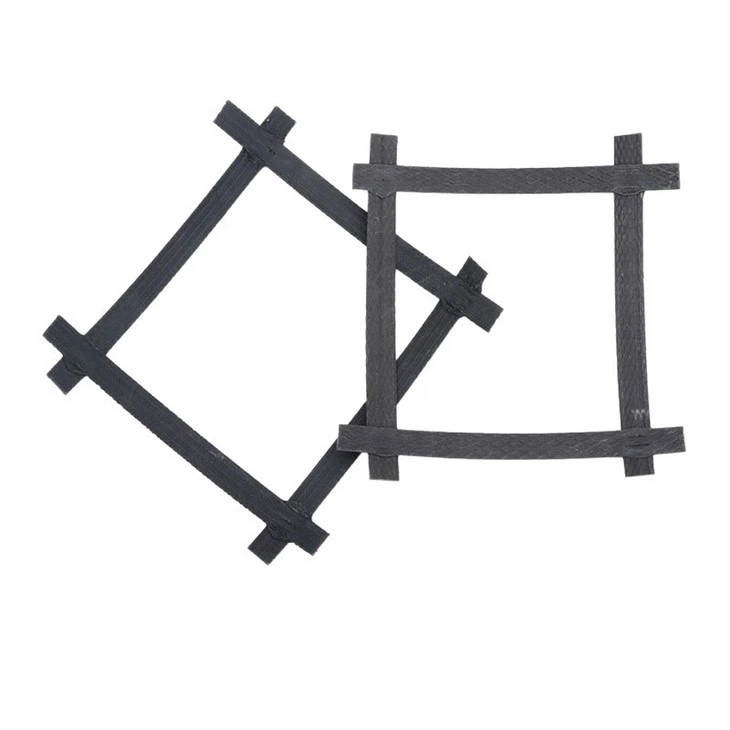
Biaxial plastic geogrids are high - strength geosynthetic materials made from polypropylene or polyethylene through precise extrusion and stretching processes. This manufacturing method results in a well - defined biaxial grid structure with uniform and regular meshes.
The core mechanism by which biaxial plastic geogrids mitigate soil settlement lies in reinforcement and soil - grid interaction. When placed in the soil, the geogrid interlocks deeply with the soil particles. The horizontal ribs of the grid constrain the lateral movement of soil particles, preventing them from spreading out laterally under load. At the same time, the vertical ribs of the grid strengthen the vertical bearing capacity of the soil, redistributing the load evenly across a larger area. This composite effect significantly enhances the overall stability of the soil mass and reduces the degree and rate of settlement.
Specific Effects on Soil Settlement
Reducing Differential Settlement
In engineering projects, such as road construction and building foundations, differential settlement is a major issue that can cause severe damage. Biaxial plastic geogrids effectively reduce differential settlement. Due to the grid's uniform distribution of load, areas with different soil properties or stress conditions experience more consistent deformation. For example, in a roadbed with varying soil densities, the geogrid spreads the vehicle load evenly, preventing excessive settlement in weaker soil areas and thus ensuring a smooth road surface.
Increasing Soil Bearing Capacity
The addition of biaxial plastic geogrids can substantially increase the bearing capacity of the soil. The interlocking of the geogrid and soil particles creates a reinforced soil structure that can withstand greater loads. In a building foundation project, by laying biaxial plastic geogrids, the soil can better support the weight of the building, reducing settlement. Numerous field tests and laboratory experiments have shown that using high - quality biaxial plastic geogrids can increase soil bearing capacity by 30% - 50%.
Controlling Long - Term Settlement
Long - term settlement is a critical consideration in engineering durability. Biaxial plastic geogrids help control long - term settlement by stabilizing the soil structure. Over time, the continuous interaction between the geogrid and soil particles resists the creep and consolidation of the soil. In large - scale foundation projects, such as industrial parks or airport runways, biaxial plastic geogrids ensure the long - term stability of the structure, reducing the need for costly maintenance and repair work.
Application Cases
Road Construction
In the construction of highways and rural roads, biaxial plastic geogrids have achieved remarkable results in reducing soil settlement. For instance, in a rural road improvement project, due to limited funds and relatively poor soil conditions, traditional construction methods often led to rapid road damage caused by soil settlement. After using Geo Grids For Gravel, the road surface remained smooth for several years, and the settlement rate was significantly lower compared to areas without geogrid reinforcement.
Building Foundations
In building construction, especially in soft soil areas, biaxial plastic geogrids play a crucial role. In a residential building project in a coastal soft soil area, the use of Biaxial Geogrid For Road Base Reinforcement reduced the foundation settlement within the allowable range, ensuring the safety and stability of the building structure.

Embankment and Slope Protection
Biaxial plastic geogrids are also widely used in embankment and slope protection projects. They prevent soil settlement and landslides by reinforcing the soil mass. In a river embankment reinforcement project, the application of biaxial plastic geogrids effectively resisted the erosion of water flow and reduced the settlement of the embankment, protecting the surrounding areas from flood threats.
Different Types of Biaxial Geogrids and Their Suitability for Settlement Control
Steel - plastic Composite Geogrid
The Steel - plastic Composite Geogrid combines the high strength of steel and the corrosion resistance of plastic. It is particularly suitable for projects with high load requirements, such as large - scale industrial building foundations or heavy - traffic roads. The steel core provides excellent tensile strength, while the plastic coating protects the steel from corrosion, ensuring long - term performance in reducing soil settlement.
Carbon Fiber Geogrid
Carbon Fiber Geogrid is known for its high strength - to - weight ratio and excellent chemical stability. It is often used in projects where lightweight yet high - strength reinforcement is needed, such as in some high - end building foundations or in areas with strict environmental requirements. The unique properties of carbon fiber geogrids make them effective in controlling soil settlement while minimizing additional load on the soil.
Extruded Geogrid
The Extruded Geogrid is a cost - effective option. It is widely used in general road construction, small - scale building foundations, and simple slope protection projects. The extrusion process ensures a uniform grid structure, which can effectively interact with soil particles to reduce settlement at a relatively low cost.
Conclusion
In summary, biaxial plastic geogrids have a profound and positive effect on soil settlement. Through reinforcement and soil - grid interaction, they can reduce differential settlement, increase soil bearing capacity, and control long - term settlement. Different types of biaxial geogrids, such as steel - plastic composite geogrids, carbon fiber geogrids, and extruded geogrids, offer a wide range of solutions for various engineering projects with different requirements.
As a professional biaxial plastic geogrid supplier, we have rich experience and a complete product line to meet the diverse needs of our customers. Whether you are working on a small - scale rural road project or a large - scale infrastructure construction, our high - quality products and professional technical support can help you effectively solve soil settlement problems.
If you are interested in our biaxial plastic geogrid products or need more information about how they can be used to address your soil settlement challenges, please feel free to contact us. We look forward to discussing your project requirements and providing you with the most suitable solutions.
References
- Koerner, R. M. (2012). Designing with Geosynthetics. Pearson.
- Bonaparte, R., & Daniel, D. E. (1987). Geosynthetics in waste containment. Van Nostrand Reinhold.
- Giroud, J. P., & Han, J. (2004). Design and construction of soil - geosynthetic systems. Taylor & Francis.