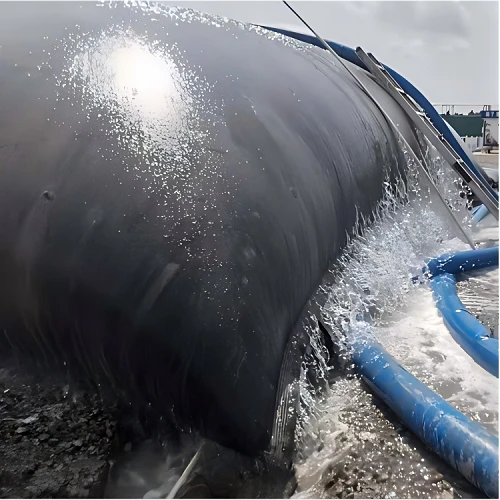
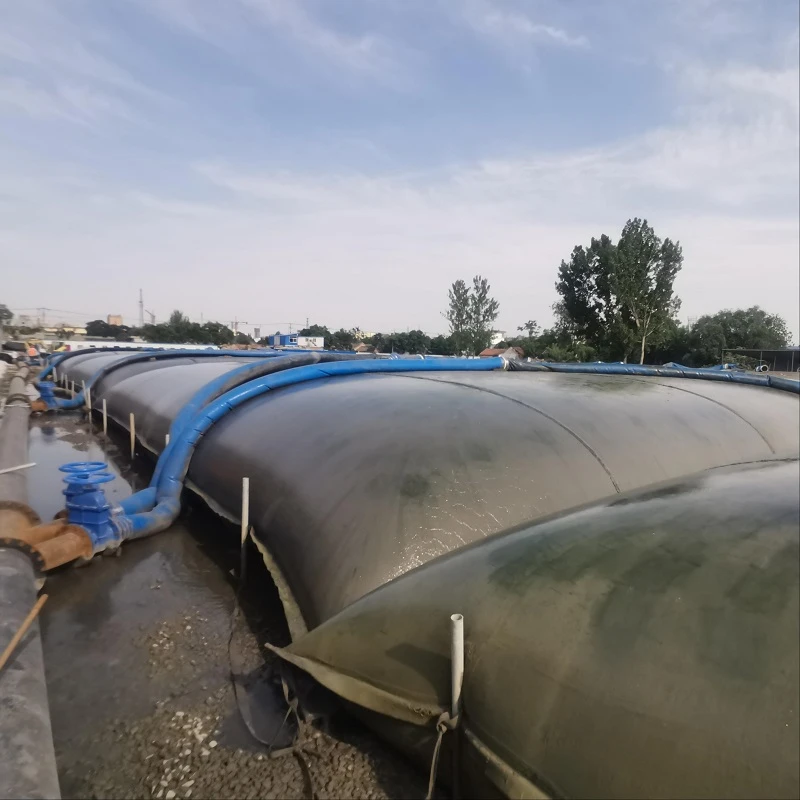
Choosing a Geotextile Dewatering Bags manufacturer is not only about price. Fabric strength, filtration performance, permeability, seam construction, bag dimensions, customization and production capability can all affect the performance of a dewatering project.
Important: The companies below are presented as supplier references rather than an independent ranking. Buyers should verify current products, specifications and certifications directly with each manufacturer before procurement.
What Should Buyers Compare?
Before comparing Chinese manufacturers, define the technical requirements of the project and request the same information from each supplier.
Material & Strength
Check PP or PET construction, fabric weight, tensile strength and the fabric structure required for the project.
AOS & Permeability
Compare apparent opening size, permeability, solids retention and drainage behavior for the actual sludge.
Seam & Filling
Review seam construction, filling ports, reinforced areas, lifting requirements and bag dimensions.
Production & Export
Confirm customization, production capacity, quality control, packaging, documentation and export support.
Hangzhou Weiwo Geosynthetic Materials Co.,Ltd
Weiwo Geosynthetics supplies geosynthetic products for environmental and civil engineering applications, including Geotextile Dewatering Bags and GeoTubes. The company provides project-based support for material selection, strength requirements, dimensions, customized production and export packaging.
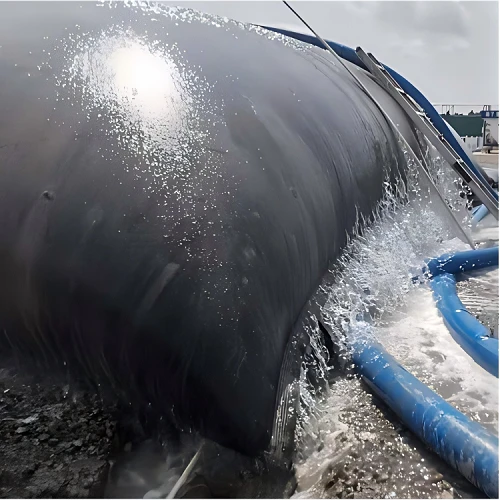
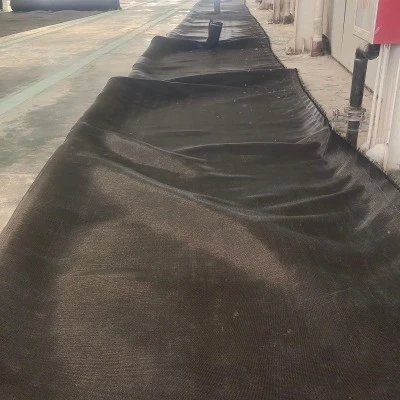
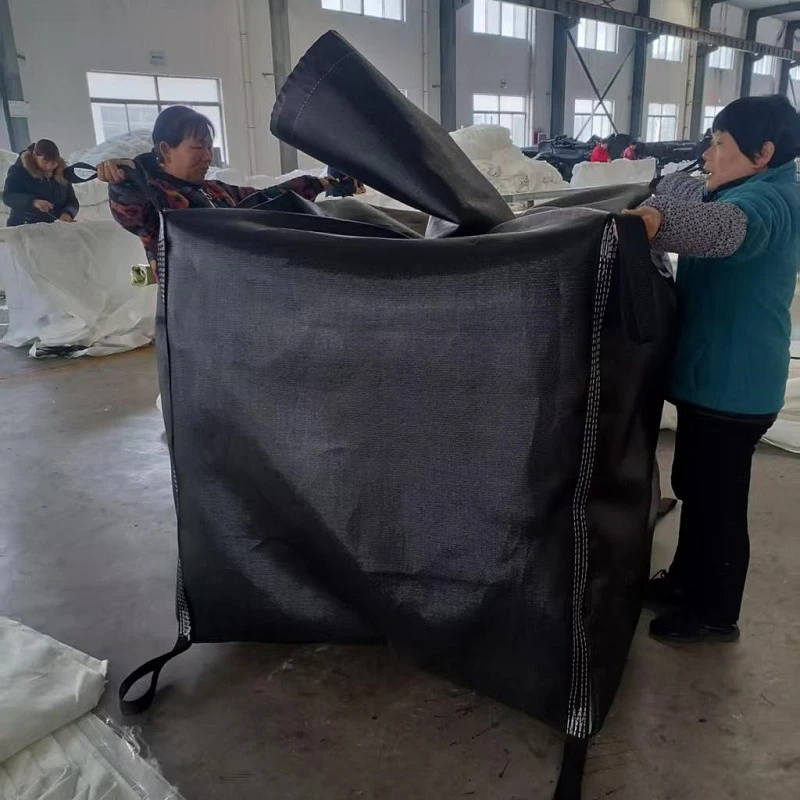
9 Other Chinese Suppliers to Compare
These companies are real businesses publicly associated with geosynthetics, geotextile bags, geotextile tubes, GeoTubes or dewatering-related products. Product availability and specifications should be confirmed directly.
Shijiazhuang Boshuo New Material Co., Ltd.
Public product information includes geotextile dewatering bags and tubes together with nonwoven geotextiles, geomembranes and other geosynthetic materials.
Qingdao Haisan New Energy Co., Ltd.
Public product information lists geotextile dewatering bags, geotextile tubes, geobags and related geosynthetic products.
Shandong Huimin Taili Chemical Fiber Products Co., Ltd.
Public industry information associates the company with geotextile and geotube products. Buyers should confirm current dewatering-bag specifications directly.
Jiangsu Jintaiyuan Environmental Technology Co., Ltd.
Public industry information associates the company with environmental engineering and sludge dewatering technologies for wastewater-related applications.
Hebei Yida Geosynthetics Co., Ltd.
Public geosynthetic industry references associate Yida with geotubes and engineering geosynthetic products. Exact dewatering-bag specifications should be verified.
Guangdong Zhongda Geosynthetics Co., Ltd.
Public company and industry information associates Zhongda with geosynthetic materials for civil, marine and environmental engineering applications.
Zhejiang Tiancheng Geosynthetics Co., Ltd.
Public industry information associates Tiancheng with geosynthetic manufacturing and geotube-related products.
Shandong Yinglong Geosynthetics Co., Ltd.
Public product information associates Yinglong with geotextiles, geotextile tubes, geotextile bags and other shaped geotextile products.
Zhejiang Hailide New Materials Co., Ltd.
Hailide is a large Chinese new-materials manufacturer with geotextile-related capabilities. Buyers should verify whether the required dewatering-bag product is supplied directly.
Geotextile Dewatering Bags by Application
Different sludge types require different fabric, filtration, strength and configuration. The following ranges can be used as a preliminary project-level reference when comparing manufacturers.
Municipal Wastewater Sludge
Typical for activated sludge, sewage sludge and residual sludge from municipal wastewater treatment plants. The primary design task is retaining fine solids while maintaining controlled drainage.
| Sludge Type | Activated sludge, sewage sludge, municipal wastewater treatment residuals |
| Initial Solids Concentration | 1–5% |
| Fabric Material | PP or PET nonwoven geotextile; final selection project-specific |
| Fabric Weight | 400–800 g/m² typical reference |
| AOS | 0.15–0.30 mm typical reference |
| Permeability | ≥0.10 cm/s typical reference |
| Tensile Strength | ≥25 kN/m typical reference |
| Seam Construction | Double stitched / reinforced seam |
| Typical Bag Size | 5 × 10 m to 15 × 30 m; custom dimensions available subject to design |
| Filling Port | 8–12 inch typical reference |
| Hydraulic Loading | Set according to sludge rheology, pump rate and filtration test |
| Dewatering Cycle | Project-specific; determined by sludge, climate and filling strategy |
| Main Design Concern | Fine solids retention and stable drainage |
Industrial Wastewater Sludge
Industrial sludge can contain process solids, chemicals or variable particle sizes. Material compatibility and seam strength should be checked together with filtration performance.
| Sludge Type | Chemical sludge, process sludge, industrial wastewater residuals |
| Initial Solids Concentration | 2–10% |
| Fabric Material | PP or PET nonwoven geotextile; chemical compatibility to be reviewed |
| Fabric Weight | 500–1000 g/m² typical reference |
| AOS | 0.10–0.25 mm typical reference |
| Permeability | ≥0.08 cm/s typical reference |
| Tensile Strength | ≥30 kN/m typical reference |
| pH / Chemical Condition | Project-specific; provide pH and chemical exposure information |
| Seam Construction | Reinforced stitched seam |
| Filling Port | 8–12 inch typical reference |
| Abrasion Resistance | Review according to mineral content and pumping condition |
| Main Design Concern | Chemical compatibility, filtration and seam integrity |
Dredging Sludge & Sediment
Used for river, harbor, lake and channel sediment. Dredged material generally imposes higher hydraulic and mechanical loads, so fabric strength, abrasion resistance and filling configuration become critical.
| Sludge Type | River, harbor, lake and channel sediment |
| Initial Solids Concentration | 10–30% |
| Fabric Material | Heavy-duty PP/PET nonwoven geotextile; project-specific selection |
| Fabric Weight | 700–1200 g/m² typical reference |
| AOS | 0.20–0.50 mm typical reference |
| Permeability | ≥0.15 cm/s typical reference |
| Tensile Strength | ≥40 kN/m typical reference |
| Abrasion Resistance | Heavy-duty fabric and seam construction recommended for coarse sediment |
| Seam Construction | Heavy-duty reinforced seam |
| Typical Bag Size | Large custom format according to site area and filling volume |
| Filling Port | 12–16 inch typical reference |
| Main Design Concern | Loading, abrasion, seam stress and sediment retention |
Mining Slurry & Tailings
Mining slurry and tailings can combine high solids concentration, abrasive particles and high pumping loads. Mechanical strength and abrasion resistance should be verified before production.
| Sludge Type | Mineral slurry, tailings and fine mining residues |
| Initial Solids Concentration | 10–40% |
| Fabric Material | Heavy-duty PP/PET nonwoven geotextile; chemical and abrasion review required |
| Fabric Weight | 800–1200 g/m² typical reference |
| AOS | 0.15–0.40 mm typical reference |
| Permeability | ≥0.10 cm/s typical reference |
| Tensile Strength | ≥40 kN/m typical reference |
| Abrasion Resistance | Project-specific review based on particle size and mineral hardness |
| Seam Construction | Heavy-duty reinforced seam |
| Filling Port | 12–16 inch typical reference |
| Chemical Condition | Provide pH and relevant dissolved chemicals for compatibility review |
| Main Design Concern | Abrasion, loading, seam strength and solids retention |
Food Processing Sludge
Food-processing wastewater commonly produces organic and biological sludge. Fine solids retention and controlled drainage are important, especially where sludge consistency changes during production cycles.
| Sludge Type | Organic sludge, biological sludge, food-processing wastewater residuals |
| Initial Solids Concentration | 2–8% |
| Fabric Material | PP or PET nonwoven geotextile |
| Fabric Weight | 400–700 g/m² typical reference |
| AOS | 0.15–0.30 mm typical reference |
| Permeability | ≥0.10 cm/s typical reference |
| Tensile Strength | ≥25 kN/m typical reference |
| Seam Construction | Double stitched seam |
| Filling Port | 8–12 inch typical reference |
| Chemical Condition | Review pH and cleaning-chemical exposure where applicable |
| Main Design Concern | Organic solids retention and stable drainage |
Paper Mill Sludge
Paper mill sludge is often fiber-rich and may contain a high proportion of suspended solids. The fabric opening and permeability need to balance fiber retention with drainage.
| Sludge Type | Fiber-rich paper mill sludge and wastewater residuals |
| Initial Solids Concentration | 3–12% |
| Fabric Material | PP or PET nonwoven geotextile |
| Fabric Weight | 500–900 g/m² typical reference |
| AOS | 0.20–0.40 mm typical reference |
| Permeability | ≥0.12 cm/s typical reference |
| Tensile Strength | ≥30 kN/m typical reference |
| Seam Construction | Reinforced stitched seam |
| Filling Port | 8–12 inch typical reference |
| Hydraulic Loading | Set according to fiber concentration and filtration test |
| Main Design Concern | Fiber retention and drainage performance |
Construction & Concrete Slurry
Concrete washout, bentonite slurry and construction sediment can contain dense mineral particles that increase abrasion and local seam stress during filling.
| Sludge Type | Concrete slurry, bentonite slurry and construction sediment |
| Initial Solids Concentration | 5–20% |
| Fabric Material | Heavy-duty PP/PET nonwoven geotextile |
| Fabric Weight | 600–1000 g/m² typical reference |
| AOS | 0.15–0.40 mm typical reference |
| Permeability | ≥0.10 cm/s typical reference |
| Tensile Strength | ≥35 kN/m typical reference |
| Abrasion Resistance | Project-specific review for coarse mineral particles |
| Seam Construction | Heavy-duty stitched seam |
| Filling Port | 8–12 inch typical reference |
| Chemical Condition | Alkaline slurry condition should be considered in material review |
| Main Design Concern | Abrasion, seam stress and mineral solids retention |
Agricultural & Aquaculture Sludge
Pond, aquaculture and agricultural sludge generally contains fine organic solids and variable water content. The design should prioritize controlled drainage without excessive solids migration.
| Sludge Type | Pond sludge, aquaculture sludge and agricultural wastewater residuals |
| Initial Solids Concentration | 1–5% |
| Fabric Material | PP or PET nonwoven geotextile |
| Fabric Weight | 350–600 g/m² typical reference |
| AOS | 0.15–0.30 mm typical reference |
| Permeability | ≥0.10 cm/s typical reference |
| Tensile Strength | ≥20 kN/m typical reference |
| Seam Construction | Double stitched seam |
| Filling Port | 6–10 inch typical reference |
| UV Exposure | Specify exposure period and site conditions for UV review |
| Dewatering Cycle | Project-specific; affected by organic content, climate and loading rate |
| Main Design Concern | Fine organic solids retention and controlled drainage |
What We Provide as a Geotextile Dewatering Bags Manufacturer
We support overseas projects with fabric selection, custom bag production, technical coordination and export supply based on sludge condition and project requirements.
Fabric Selection
We help select PP or PET geotextile according to sludge type, solids concentration, AOS, permeability and required filtration performance.
Custom Bag Manufacturing
We manufacture custom bag dimensions, filling ports, lifting loops and drainage configurations according to project drawings and site requirements.
Strength & Seam Design
We configure fabric strength, reinforced seams and filling structures according to bag size, sludge weight, pumping pressure and handling conditions.
Project-Specific Production
We supply bags for wastewater sludge, industrial sludge, dredging sediment, mining tailings, paper mill sludge and construction slurry.
Bulk Production & Export
We arrange bulk production, export packing and container loading according to quantity, delivery schedule and destination requirements.
Technical & Procurement Support
Before production, we can review specifications, drawings, quantities, packaging and project requirements with your engineering or purchasing team.`
Need the Right Geotextile Dewatering Bags?
Send us your sludge type, solids concentration, treatment volume, required bag size and destination country. Our engineers can review the project and discuss the suitable fabric, filtration and bag configuration.
Send Project Details →