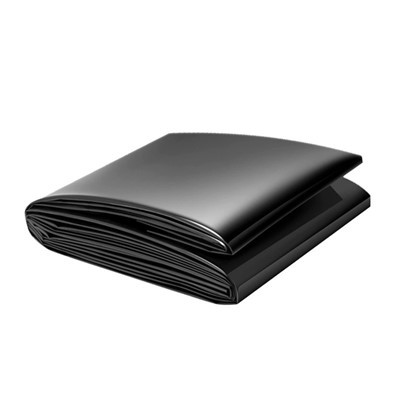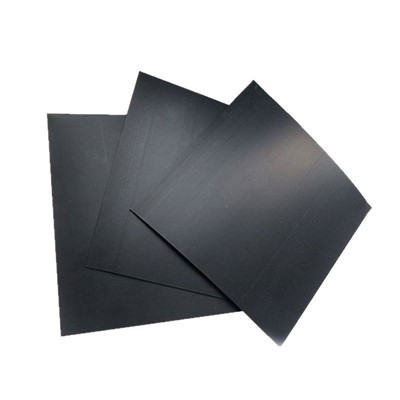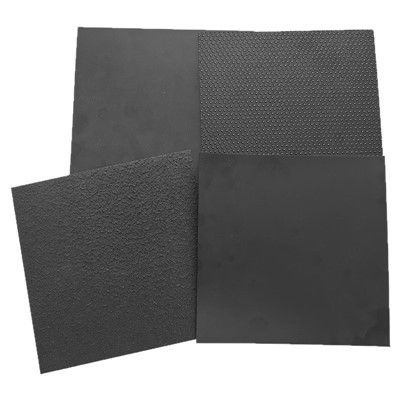
In civil engineering fields such as road construction and slope protection, geocells and geogrids are both commonly used materials, but their characteristics and applications are quite different.
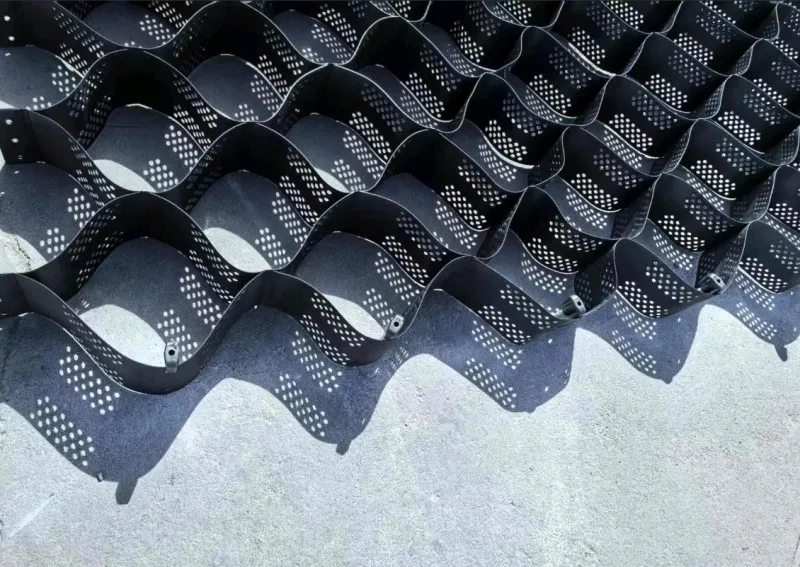
From the perspective of its external structure, geogrids are three-dimensional structures, formed by high-strength sheets through welding or riveting, resembling honeycombs and capable of providing a three-dimensional space when unfolded; while geogrids are two-dimensional planar materials, made into a mesh structure through stretching polypropylene and other materials, featuring only a planar grid.
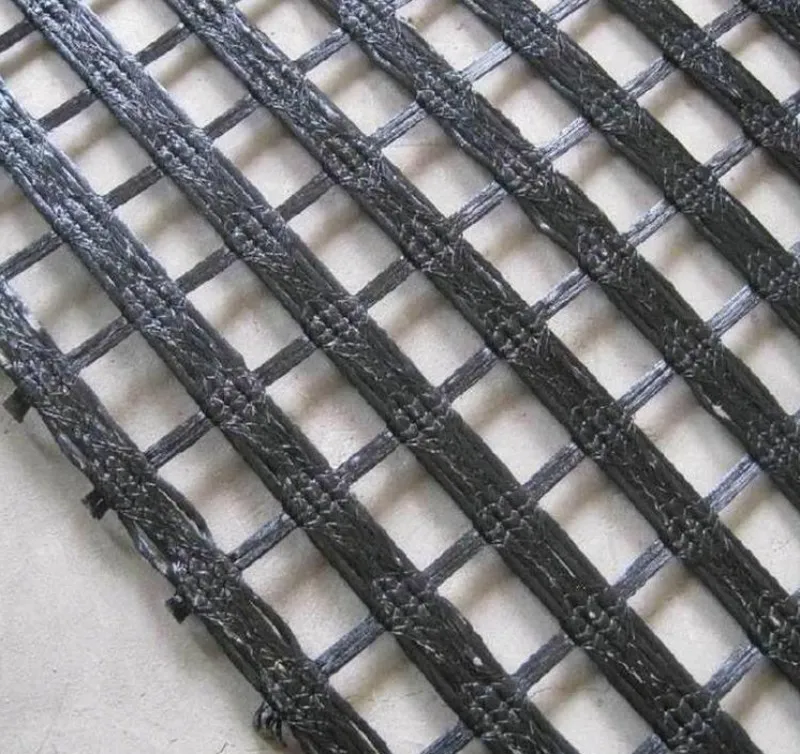
In terms of mechanical properties, geogrids with their three-dimensional structure can exert strong lateral restraint on the filling materials, effectively distributing the load and enhancing the bearing capacity of the foundation. Geogrids, on the other hand, focus on the tensile strength in the planar direction, by strengthening the tensile resistance of the soil, preventing soil deformation or cracking.
The application scenarios also have their own emphases. Geogrids are commonly used for soft soil foundation reinforcement, slope protection, and desert road construction, for example, when building roads in deserts, they can fix the sand and enhance the stability of the road foundation; in slope protection, they can be filled with soil and vegetation, which not only stabilizes the slope but also facilitates greening. Geogrids are more often used for ordinary road foundation reinforcement, pavement crack prevention, and retaining wall reinforcement, such as when laying them in the road foundation during road construction, they can reduce pavement settlement and cracks.
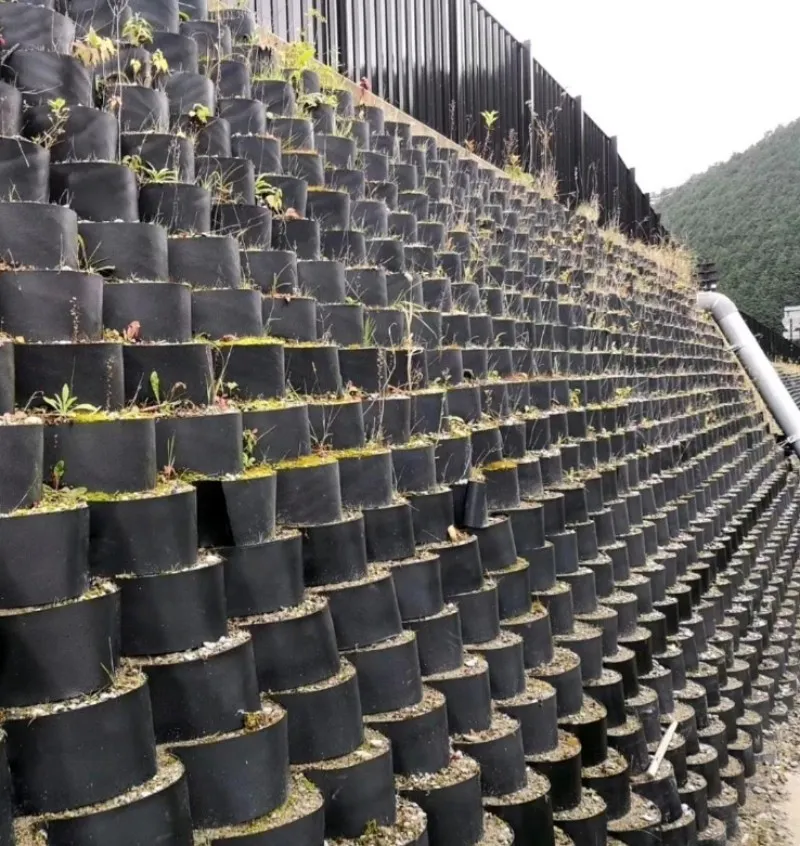
During the construction process, the geogrid needs to be fixed at the boundaries first before filling the material; while the geogrid mesh requires the site to be leveled first, then laid down, fixed, and filled with soil for compaction.
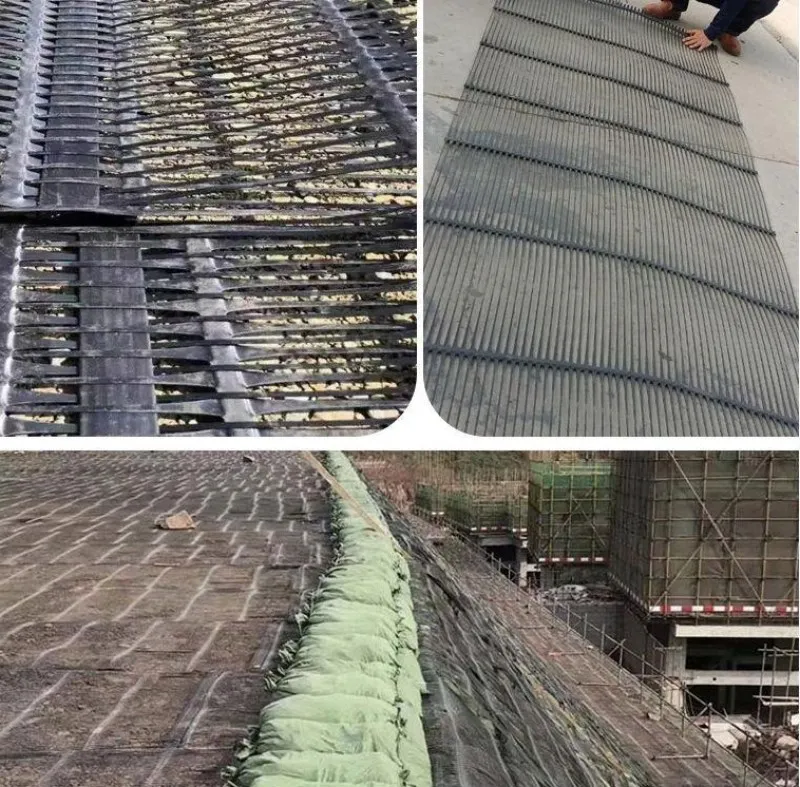
In summary, both have their own advantages and play a crucial role in different engineering requirements. During construction, engineers will reasonably select geogrids or geogrids based on factors such as geological conditions and engineering purposes, to ensure the quality and safety of the project.