
As a plastic geocell supplier, I often get asked about the safety concerns related to using plastic geocells. So, let's dive into this topic and see if there are indeed any safety issues we should be worried about.
What are Plastic Geocells Anyway?
First off, for those who aren't familiar, plastic geocells are three - dimensional honeycomb - like structures made from high - density polyethylene (HDPE) or other plastics. These cells are used in a variety of applications, such as soil stabilization, erosion control, and even in the construction of roadways and retaining walls. They work by confining and stabilizing the infill material, like soil or aggregate, within their cells.
Material Safety
One of the main safety concerns people have is about the plastic material itself. HDPE, which is commonly used to make plastic geocells, is a thermoplastic polymer. It's non - toxic and has a high chemical resistance. This means that it won't leach harmful chemicals into the surrounding soil or water under normal conditions.
In fact, HDPE is widely used in the food and beverage industry for making containers. If it's safe to store our food and drinks, it's a good sign that it's relatively safe for use in geocell applications. The manufacturing process of plastic geocells is also tightly regulated to ensure that the final product meets safety standards.
Environmental Safety
The environmental impact of plastic is a hot - button issue. When it comes to plastic geocells, the long - term environmental safety is a key consideration. The good news is that plastic geocells are designed to be durable. They can last for decades in the ground, which means less need for frequent replacements. This, in turn, reduces the overall amount of plastic waste generated.

In addition, some plastic geocells are designed to be recyclable. At the end of their service life, they can be collected and recycled into new plastic products. This helps to close the loop and minimize the environmental footprint of using plastic geocells.
However, it's important to ensure proper installation and maintenance of plastic geocells. If they are not installed correctly, they may be more prone to damage or displacement, which could potentially lead to environmental issues such as soil erosion or the release of the infill material.
Structural Safety
Another aspect to consider is the structural safety of plastic geocells. When used in construction projects, they need to be able to withstand the loads and stresses placed on them. Plastic geocells are engineered to have specific strength and stiffness properties.
For example, in road construction, they need to support the weight of vehicles and traffic. If the geocells are not of high - quality or if they are not installed properly, there is a risk of deformation or failure. This could lead to uneven settlement of the road surface, which is a safety hazard for drivers.
That's why it's crucial to choose a reliable supplier who can provide high - quality plastic geocells and offer technical support for installation. As a supplier, we conduct rigorous quality control tests on our products to ensure that they meet or exceed industry standards.
Interaction with Other Materials
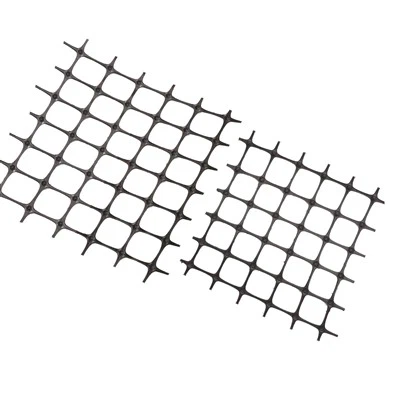
Sometimes, plastic geocells are used in combination with other materials, like Biaxial Plastic Geogrid. When different materials are used together, there is a concern about how they will interact with each other.
In general, plastic geocells are compatible with most common construction materials, such as soil, gravel, and concrete. However, it's important to consider the chemical and physical properties of the materials in contact. For example, if there are chemicals in the soil or infill material that could react with the plastic, it could potentially affect the performance and safety of the geocells.
Fire Safety
Fire safety is also a consideration, especially in areas where there is a risk of wildfires or in industrial settings. HDPE, the material used in plastic geocells, is a combustible material. However, it has a relatively high ignition temperature.
In addition, there are fire - retardant additives that can be incorporated into the plastic during the manufacturing process to improve its fire resistance. When specifying plastic geocells for a project, it's important to consider the fire safety requirements and choose the appropriate product.
Is It Safe for Human Contact?
In some cases, workers may come into direct contact with plastic geocells during installation. The smooth surface of plastic geocells generally poses no significant risk to human skin. However, as with any construction material, it's a good idea to wear appropriate personal protective equipment (PPE), such as gloves and safety glasses.
This not only protects the workers from potential minor abrasions but also from any dust or debris that may be generated during the cutting or handling of the geocells.
Conclusion: Are They Safe?
Overall, when used correctly and with proper installation and maintenance, plastic geocells are a safe and reliable solution for a wide range of applications. The concerns about material safety, environmental impact, structural integrity, and other aspects can be effectively managed.
As a plastic geocell supplier, we are committed to providing high - quality products that meet the highest safety standards. We also offer technical support to ensure that our customers can install and use our geocells safely and effectively.
If you're considering using plastic geocells for your next project, don't hesitate to reach out. We'd be happy to discuss your specific needs, provide product samples, and answer any questions you may have. Let's work together to create a safe and sustainable solution for your soil stabilization and construction needs.
References
- ASTM International standards for geosynthetics
- Industry reports on the use of plastic geocells in construction
- Research papers on the environmental impact of plastic materials in geotechnical applications