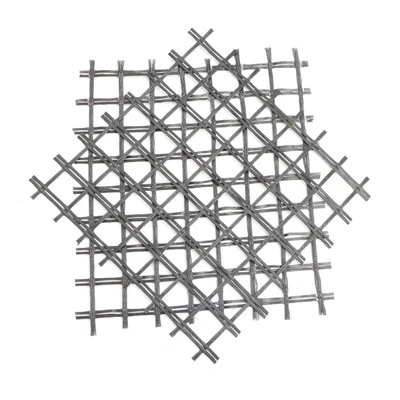
Fiberglass geogrids have emerged as a significant innovation in the field of civil engineering, especially in road construction. As a supplier of fiberglass geogrids, I have witnessed firsthand the transformative impact these materials can have on the quality, durability, and cost - effectiveness of road projects. In this blog, we will explore the viability of using fiberglass geogrids in road construction, delving into their properties, benefits, and real - world applications.
Properties of Fiberglass Geogrids
Fiberglass geogrids are made from high - strength fiberglass yarns that are woven or knitted into a grid structure. These grids are then coated with a polymer to enhance their chemical resistance and bonding properties. The key properties of fiberglass geogrids that make them suitable for road construction include:
- High Tensile Strength: Fiberglass has excellent tensile strength, which allows the geogrid to withstand high loads and stresses. This is crucial in road construction, where the pavement is subjected to heavy traffic and environmental forces. The high tensile strength of fiberglass geogrids helps to distribute the load evenly, reducing the risk of cracking and rutting.
- Low Creep: Creep is the tendency of a material to deform over time under a constant load. Fiberglass geogrids have low creep characteristics, which means they maintain their shape and strength over the long term. This is important for road pavements, as it ensures the stability and durability of the road surface.
- Chemical Resistance: The polymer coating on fiberglass geogrids provides excellent chemical resistance, protecting the grid from damage caused by chemicals such as asphalt, oil, and water. This makes fiberglass geogrids suitable for use in a variety of road construction environments, including areas with high levels of pollution or exposure to harsh chemicals.
- Thermal Stability: Fiberglass geogrids can withstand a wide range of temperatures without significant deformation. This is important in road construction, as roads are exposed to varying temperatures throughout the year. The thermal stability of fiberglass geogrids helps to prevent cracking and other forms of damage caused by temperature changes.
Benefits of Using Fiberglass Geogrids in Road Construction
The use of fiberglass geogrids in road construction offers several benefits, both in terms of performance and cost - effectiveness.


- Improved Pavement Performance: Fiberglass geogrids enhance the structural integrity of the pavement by providing additional reinforcement. They help to distribute the load evenly, reducing the stress on the pavement and preventing the formation of cracks and rutting. This results in a smoother and more durable road surface, which can improve the safety and comfort of drivers.
- Increased Service Life: By reducing the formation of cracks and rutting, fiberglass geogrids can significantly extend the service life of the pavement. This means fewer repairs and maintenance over the life of the road, resulting in cost savings for the road authorities.
- Cost - Effectiveness: Although the initial cost of using fiberglass geogrids may be higher than traditional road construction materials, the long - term cost savings are significant. The extended service life of the pavement and the reduced need for repairs and maintenance can result in substantial cost savings over the life of the road.
- Environmental Benefits: Fiberglass geogrids are a sustainable alternative to traditional road construction materials. They are made from recycled materials and can be recycled at the end of their life. Additionally, the reduced need for repairs and maintenance means less energy and resources are consumed over the life of the road.
Real - World Applications of Fiberglass Geogrids in Road Construction
Fiberglass geogrids have been used in a variety of road construction projects around the world. Some of the common applications include:
- Asphalt Pavement Reinforcement: Fiberglass geogrids can be used to reinforce asphalt pavements, especially in areas with high traffic volumes or poor soil conditions. By providing additional reinforcement, the geogrid helps to prevent the formation of cracks and rutting, improving the performance and durability of the pavement. You can learn more about Fiberglass Geogrids For Asphalt Pavement.
- Base Course Reinforcement: Fiberglass geogrids can also be used to reinforce the base course of the road. By improving the stability of the base course, the geogrid helps to distribute the load evenly, reducing the stress on the pavement and preventing the formation of cracks and rutting.
- Airport Runway Construction: Fiberglass geogrids are also suitable for use in airport runway construction. The high tensile strength and low creep characteristics of fiberglass geogrids make them ideal for withstanding the heavy loads and stresses associated with aircraft takeoff and landing. For more information on Fiberglass Geogrid For Airport Runway.
Installation of Fiberglass Geogrids
The installation of fiberglass geogrids is a relatively simple process. The geogrid is typically laid on the prepared surface of the road or base course, and then covered with a layer of asphalt or other paving material. The key to successful installation is to ensure that the geogrid is properly tensioned and bonded to the surface. This can be achieved by using a suitable adhesive or by mechanically fastening the geogrid to the surface.
Challenges and Considerations
While fiberglass geogrids offer many benefits in road construction, there are also some challenges and considerations that need to be taken into account.
- Installation Quality: The effectiveness of fiberglass geogrids depends on the quality of the installation. If the geogrid is not properly installed, it may not provide the desired reinforcement, and the pavement may still be prone to cracking and rutting.
- Compatibility with Other Materials: Fiberglass geogrids need to be compatible with the other materials used in the road construction, such as asphalt and soil. Incompatibility can lead to poor bonding and reduced performance.
- Environmental Conditions: The performance of fiberglass geogrids can be affected by environmental conditions, such as temperature and humidity. It is important to consider these factors when selecting and installing fiberglass geogrids.
Conclusion
In conclusion, fiberglass geogrids are a viable and effective solution for road construction. Their high tensile strength, low creep, chemical resistance, and thermal stability make them suitable for a variety of road construction applications. The use of fiberglass geogrids can improve the performance and durability of the pavement, extend its service life, and provide cost - effective and sustainable solutions for road authorities.
If you are involved in a road construction project and are considering the use of fiberglass geogrids, we invite you to contact us for more information. Our team of experts can provide you with detailed technical information, product samples, and guidance on the selection and installation of fiberglass geogrids. We are committed to providing high - quality products and excellent customer service to meet your road construction needs. You can also explore our Fiberglass Reinforced Geogrid for more options.
References
- Koerner, R. M. (2012). Designing with Geosynthetics. Pearson Prentice Hall.
- ASTM International. (2021). Standard Specification for Fiberglass Geogrids for Reinforcing Asphalt Pavements. ASTM D6637.
- Bonaparte, R., & Christopher, B. R. (2007). Geosynthetics in Civil Engineering. Wiley.