
Hey there! I'm an industry insider, and I run a business that supplies plastic geocells. I've been getting a ton of questions lately about whether plastic geocells can be used in parking lot construction. So, I thought I'd sit down and write this blog to share my insights on the matter.
Let's start by talking about what plastic geocells are. Plastic geocells are three - dimensional honeycomb - like structures made from high - density polyethylene (HDPE) or other plastics. They're designed to confine and stabilize soil, aggregate, or other fill materials. These geocells are lightweight, easy to install, and incredibly durable, which makes them a popular choice for a variety of civil engineering projects.
Now, let's dig into the use of plastic geocells in parking lot construction. One of the main challenges in building a parking lot is dealing with the heavy loads that vehicles place on the surface. Over time, these loads can cause the surface to crack, rut, and deteriorate. That's where plastic geocells come in.
Benefits of Using Plastic Geocells in Parking Lot Construction
1. Load Distribution
Plastic geocells are great at distributing the load from vehicles across a larger area. When a car or a truck parks on a parking lot with geocells, the geocells spread the weight out, reducing the pressure on the underlying soil. This helps prevent the formation of ruts and potholes, which are common problems in traditional parking lots.
2. Soil Stabilization
The honeycomb structure of plastic geocells confines the soil or aggregate within its cells. This confinement prevents the soil from shifting and moving, even under heavy loads. As a result, the parking lot surface remains more stable and less prone to deformation.
3. Erosion Control
In outdoor parking lots, erosion can be a big issue, especially in areas with heavy rainfall or high winds. Plastic geocells help control erosion by holding the soil in place. They prevent the soil from being washed away by water or blown away by the wind, which helps maintain the integrity of the parking lot.
4. Cost - Effectiveness
Using plastic geocells in parking lot construction can actually save you money in the long run. While the initial cost of installing geocells might be a bit higher than traditional methods, the reduced need for maintenance and repairs over the life of the parking lot can lead to significant cost savings. You won't have to spend as much on patching potholes, resurfacing, or dealing with erosion - related issues.
5. Quick Installation
Plastic geocells are relatively easy and quick to install. They can be laid out on the prepared sub - grade, filled with soil or aggregate, and then compacted. This means that you can get your parking lot up and running in a shorter amount of time compared to other construction methods.
How to Use Plastic Geocells in Parking Lot Construction
The process of using plastic geocells in parking lot construction is fairly straightforward. First, you need to prepare the sub - grade. This involves clearing the area of any vegetation, rocks, or debris and then compacting the soil to create a stable base.
Next, you lay out the plastic geocells on the sub - grade. The geocells can be connected together using special connectors to form a continuous surface. Once the geocells are in place, you fill them with soil, gravel, or other suitable fill materials. It's important to make sure that the fill material is evenly distributed within the cells.
After filling the geocells, you compact the fill material to increase its density and strength. This helps ensure that the parking lot can withstand the heavy loads of vehicles. Finally, you can add a surface layer, such as asphalt or concrete, on top of the geocell - stabilized base.
Comparison with Other Materials
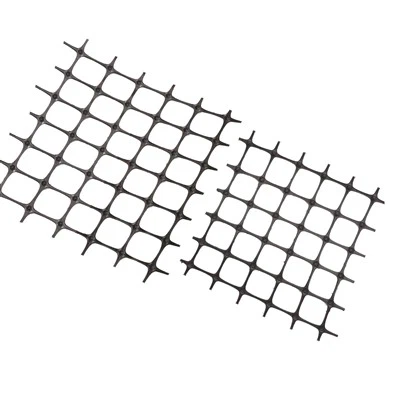
You might be wondering how plastic geocells compare to other materials commonly used in parking lot construction, like biaxial plastic geogrids. Well, both materials have their own advantages. Biaxial Plastic Geogrid is also a popular choice for soil stabilization. It provides reinforcement in two directions, which helps distribute loads and prevent soil movement.
However, plastic geocells offer a more three - dimensional confinement of the fill material. This means that they can provide better load - distribution and soil - stabilization capabilities, especially in areas with soft or unstable soils. Biaxial plastic geogrids are more suitable for applications where you need to reinforce a large area in a relatively flat plane, while plastic geocells are better for areas where you need to deal with vertical loads and prevent soil displacement.
Real - World Examples
There are plenty of real - world examples of successful parking lot construction projects using plastic geocells. In some commercial parking lots, geocells have been used to create a stable base for asphalt or concrete surfaces. These parking lots have shown excellent performance over time, with minimal cracking, rutting, or erosion.
In some cases, plastic geocells have also been used in temporary parking lots, such as those for large events. The quick installation and easy removal of geocells make them a great option for these types of applications. After the event is over, the geocells can be easily removed, and the area can be restored to its original state.
Conclusion
So, can plastic geocells be used in parking lot construction? Absolutely! They offer a range of benefits, including load distribution, soil stabilization, erosion control, cost - effectiveness, and quick installation. Whether you're building a small private parking lot or a large commercial one, plastic geocells can be a great solution.
If you're considering using plastic geocells for your next parking lot project, I'd love to have a chat with you. We're a leading supplier of high - quality plastic geocells, and we can provide you with all the information and support you need. Don't hesitate to reach out to us to discuss your project requirements and get a quote.

References
- "Geosynthetics in Civil Engineering" by R. K. Rowe
- "Soil Stabilization with Geosynthetics" by J. Christopher Dixon