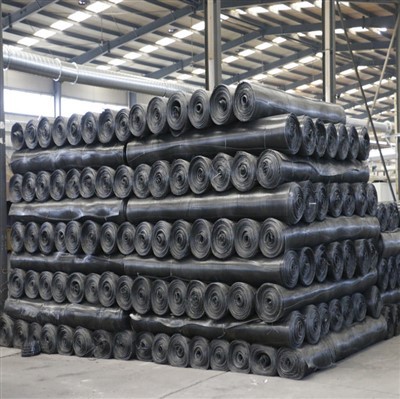

Hey there! As a supplier of geotextile bags, I've had my fair share of discussions about the cost - effectiveness of these nifty products compared to other solutions out there. So, I thought I'd dive into the topic and share my thoughts on what makes geotextile bags a cost - effective option.
Initial Investment
Let's start with the upfront cost. When you're looking into various solutions for soil stabilization, erosion control, or containment, the initial price tag can be a major deciding factor. Geotextile bags are often more budget - friendly right off the bat. Unlike some high - end concrete structures or large - scale steel barriers, geotextile bags are made from relatively inexpensive materials. The geotextile fabric used in these bags is mass - produced, which drives down the cost per unit.

For example, if you're working on a small - scale beach erosion project, building a concrete seawall can be extremely expensive. You've got to factor in the cost of materials like cement, steel reinforcement, and the labor required for pouring and shaping the concrete. On the other hand, geotextile bags can be filled with locally available materials such as sand or gravel. This means you don't have to transport heavy and costly pre - made materials to the site. You just need to buy the bags, fill them up, and place them where they're needed. It's a much simpler and cheaper process.
Installation Costs
Installation is another area where geotextile bags shine in terms of cost - effectiveness. Installing geotextile bags is a relatively straightforward process that doesn't require highly specialized equipment or a large crew of skilled workers. You can use basic tools like shovels and wheelbarrows to fill the bags, and then they can be easily stacked or placed in the desired configuration.
In contrast, other solutions might need heavy machinery for installation. For instance, installing a Biaxial Plastic Geogrid often requires earthmoving equipment to prepare the ground properly. You need to ensure the soil is level and compacted to the right specifications before laying the geogrid. This not only adds to the equipment rental costs but also requires trained operators, which can be expensive. With geotextile bags, you can get the job done with a small team, reducing labor costs significantly.
Maintenance Expenses
Maintenance is an ongoing cost that can really add up over time. Geotextile bags have a distinct advantage here as well. They are designed to be durable and resistant to environmental factors. The geotextile fabric is usually UV - stabilized, which means it won't break down easily when exposed to sunlight. It's also resistant to rot and mildew, which is great if the bags are used in wet or damp environments.
Most of the time, the only maintenance geotextile bags need is a periodic inspection to make sure they're still in place and intact. If a bag gets damaged, it can be easily replaced at a low cost. Compare this to a wooden retaining wall. Wood can rot over time, especially in areas with high humidity or near water. This means you'll have to constantly treat the wood to prevent decay or replace entire sections of the wall. The cost of maintenance and replacement for a wooden wall can quickly exceed the initial investment.
Long - Term Performance and Lifespan
When looking at cost - effectiveness, it's important to consider the long - term performance and lifespan of the solution. Geotextile bags can have a surprisingly long lifespan, especially when used in the right conditions. They can effectively perform their functions, such as soil stabilization and erosion control, for many years.
Some other solutions might have a shorter lifespan. For example, certain types of synthetic barriers can become brittle over time due to exposure to environmental factors. Once they start to break down, they lose their effectiveness, and you'll have to invest in a new solution. Geotextile bags, on the other hand, maintain their integrity and continue to work well for a long time. This means you won't have to keep spending money on replacements as frequently, making them a cost - effective choice in the long run.
Flexibility and Adaptability
Geotextile bags offer a high degree of flexibility and adaptability, which also contributes to their cost - effectiveness. They can be used in a wide variety of applications, from small garden projects to large - scale infrastructure developments. You can easily adjust the size and shape of the structures made from geotextile bags to fit the specific requirements of your project.
In comparison, many other solutions are more rigid. For example, a pre - fabricated concrete module has a fixed shape and size. If your project requires a slightly different configuration, you might have to buy new modules or modify them at an additional cost. Geotextile bags allow you to be creative and make changes on - the - fly without incurring significant extra expenses.
Environmental and Social Costs
There are also environmental and social costs to consider. Geotextile bags are often more environmentally friendly than some other solutions. They can be filled with natural materials, which reduces the need for the production of synthetic or energy - intensive materials. Additionally, the installation of geotextile bags has a relatively low impact on the surrounding environment compared to large construction projects.
From a social perspective, the simplicity of installing geotextile bags can create local employment opportunities. Since the installation doesn't require highly specialized skills, local people can be trained to work on the project. This can have a positive impact on the community and contribute to the economic development of the area.
Cost - Benefit Analysis in Real - World Scenarios
Let's take a look at some real - world examples to illustrate the cost - effectiveness of geotextile bags. In a flood - prone area, a community decided to use geotextile bags to build a flood barrier. The initial cost of purchasing the bags and filling them with local soil was much lower than building a concrete flood wall. The installation was completed quickly with the help of local volunteers, reducing labor costs.
Over the years, the geotextile bags have withstood several flood events, protecting the community from water damage. The only maintenance required was the occasional replacement of a few damaged bags. In contrast, a neighboring community that opted for a concrete flood wall had to deal with high initial construction costs, ongoing maintenance for cracks and wear, and the need to reinforce the wall over time.
In conclusion, geotextile bags offer a range of cost - effectiveness aspects that make them a great choice for many projects. From the low initial investment and installation costs to the minimal maintenance requirements and long - term performance, they provide a lot of value for your money.
If you're interested in learning more about geotextile bags for your project or would like to discuss a potential purchase, don't hesitate to get in touch. I'm always happy to share my expertise and help you find the best solution for your needs.
References
- Soil Mechanics and Geotechnical Engineering textbooks
- Industry reports on geotextile products
- Case studies of geotextile bag projects in different regions